UNILORIN Shutdown: SSANU, NASU Join Nationwide Strike as Universities Face Fresh Disruption
SSANU and NASU members at the University of Ilorin have joined a nationwide strike, grounding academic and administrative activities across Nigerian universities. Here’s what triggered the action and its implications.
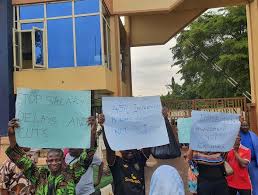
The University of Ilorin (UNILORIN) has been plunged into partial shutdown following the decision of the Senior Staff Association of Nigerian Universities (SSANU) and the Non-Academic Staff Union (NASU) to join a nationwide industrial strike across Nigeria’s public universities.
The development, confirmed in early May 2026, is part of a broader labour action affecting federal and state tertiary institutions nationwide, with staff withdrawing services over unresolved disputes with the Federal Government.
The strike has immediately disrupted administrative operations, student services, and key support systems across campuses, adding fresh tension to Nigeria’s already fragile university labour environment.
Why SSANU and NASU Went on Strike
The strike stems from long-standing grievances between non-academic university staff unions and the Federal Government, particularly over the 2009 agreement that has remained partially implemented for over a decade.
According to union leaders, repeated negotiations have failed to produce a satisfactory outcome, despite multiple ultimatums issued in 2025 and early 2026.
Key demands include:
- Full implementation and renegotiation of the 2009 agreement
- Payment of outstanding salary arrears and allowances
- Improved welfare and working conditions
- A revised salary structure reflecting inflation and economic realities
A major sticking point has been the government’s proposed salary adjustment, which unions reportedly rejected as inadequate, insisting on a higher percentage increase and full parity with academic staff adjustments. (Punch Newspapers)
How the Strike Was Declared
The industrial action was declared following a breakdown in negotiations between union representatives and government officials.
The Joint Action Committee (JAC) of SSANU and NASU announced that the strike would commence at midnight on May 1, 2026, after the expiration of April 30 deadline. (Vanguard News)
A last-minute meeting held just before the deadline reportedly ended in deadlock, with no agreement reached on key financial and policy demands.
Union leaders described the action as “total and comprehensive,” instructing all members nationwide to withdraw services until further notice.
Impact on UNILORIN: Campus Activities Grounded
At the University of Ilorin, the effects were immediate.
Administrative offices, student support units, laboratories, and technical services have been significantly affected due to the withdrawal of non-teaching staff.
These staff members play critical roles in:
- Campus security operations
- Registry and admissions processing
- Laboratory and technical support
- Transportation and logistics
- Finance and administrative coordination
With their withdrawal, several services essential to daily university functioning have been slowed or completely halted.
Students have reported delays in administrative processes, while some departments have suspended non-essential operations pending resolution of the crisis.
Union Leaders Explain Their Position
SSANU and NASU leaders at UNILORIN have aligned with the national directive, insisting that the strike was unavoidable after years of unresolved grievances.
Union representatives argue that non-teaching staff have been repeatedly sidelined in salary reviews and welfare negotiations, despite their central role in university operations.
They also criticized what they described as selective implementation of previous agreements, particularly salary adjustments that benefited academic staff but excluded non-academic workers.
According to union statements, the strike is intended to pressure the government into concluding negotiations and ensuring fair treatment across all categories of university staff.
Nationwide Disruption Across Universities
The strike is not limited to UNILORIN.
Across Nigeria, SSANU and NASU branches in federal and state universities have also joined the action, leading to widespread disruption in tertiary institutions.
Reports indicate that inter-university centres and administrative units are also affected, as monitoring teams enforce compliance nationwide.
This coordinated action marks another episode in Nigeria’s recurring university labour crises, which have historically led to prolonged academic interruptions.
Government Response and Ongoing Tensions
While the Federal Government has previously engaged union leaders in negotiation attempts, no final resolution has been reached.
Officials have expressed concern about the timing and scale of the strike, especially given its impact on students and institutional operations.
However, union leaders insist that only a binding agreement, not promises, will lead to suspension of the strike.
The standoff highlights the persistent challenge of labour relations within Nigeria’s education sector, particularly regarding funding, salary structures, and implementation of agreements.
Students Caught in the Middle
As with previous strikes in Nigeria’s university system, students are the most affected group.
Academic calendars risk further delays, while administrative processes such as registration, results processing, and campus services are slowed or suspended.
Many students have expressed frustration over recurring disruptions, calling for a lasting solution to industrial disputes in the education sector.
The situation also raises concerns about academic stability, graduation timelines, and the overall credibility of institutional schedules.
Broader Implications for Nigeria’s Education System
The UNILORIN strike is part of a wider pattern of labour unrest in Nigerian universities involving multiple unions, including ASUU, SSANU, NASU, and others.
Experts warn that repeated strikes undermine:
- Academic continuity
- Institutional reputation
- Research output
- Student morale and trust
They also argue that structural reforms are needed to address funding gaps and ensure sustainable labour relations in higher education.
Conclusion: Another Test for Nigeria’s University System
The decision of SSANU and NASU at UNILORIN to join the nationwide strike has once again exposed deep-rooted tensions in Nigeria’s tertiary education system.
While unions maintain that their demands are based on fairness and long-standing agreements, the resulting disruptions continue to affect students and academic operations nationwide.
As negotiations continue at the national level, the future of the strike and the stability of university operations remain uncertain.
For now, campuses like UNILORIN remain partially grounded, awaiting a resolution that balances labour rights with the urgent need for academic stability.