Uncertainty Over US-Iran Peace Talks Deepens as Ceasefire Deadline Looms
Rising tensions, a naval blockade, and stalled negotiations cast doubt over US-Iran peace talks as the ceasefire nears expiry. Full analysis with key developments and sources.
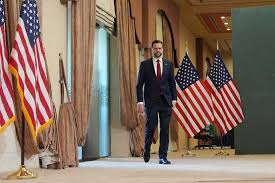
The fragile diplomatic efforts between the United States and Iran have entered a critical phase, with uncertainty hanging heavily over ongoing peace negotiations. As the April 2026 ceasefire approaches its expiration, recent military actions, political posturing, and unresolved disputes have cast serious doubt on whether meaningful progress can be achieved.
The situation reflects not only the complexity of US-Iran relations but also the high stakes involved for regional stability, global energy markets, and international diplomacy.
Background: Failed Talks and a Fragile Ceasefire
The current tensions stem from the 2026 Iran war, which prompted urgent diplomatic intervention to prevent further escalation. A temporary ceasefire was brokered on April 8, 2026, lasting two weeks and aimed at creating space for negotiations. (Wikipedia)
Shortly after, both nations participated in the Islamabad Talks in Pakistan between April 11 and 12. However, the discussions ended without a breakthrough, leaving key issues unresolved, including Iran’s nuclear ambitions and the status of the Strait of Hormuz.
While both sides expressed willingness to continue dialogue, the lack of tangible outcomes set the stage for renewed tensions.
Escalation: Naval Blockade and Ship Seizure
One of the most significant developments undermining the peace process is the United States’ decision to impose a naval blockade on Iran beginning April 13, 2026.
The blockade targets Iranian ports and shipping routes, particularly around the strategic Strait of Hormuz - a vital global energy corridor.
Tensions escalated further when US forces seized an Iranian-flagged cargo ship accused of attempting to bypass the blockade. Iran condemned the move as a violation of the ceasefire and labeled it an act of “piracy,” intensifying diplomatic friction. (The Washington Post)
This incident has become a major sticking point in negotiations, with Tehran demanding the lifting of sanctions and the release of seized assets before engaging in further talks.
Iran’s Position: Hesitation and Strategic Posturing
Iran has sent mixed signals regarding its participation in a second round of peace talks. While some officials suggest openness to dialogue, others have indicated reluctance or outright refusal to attend negotiations under current conditions. (TIME)
Analysts believe this ambiguity may be a negotiating tactic designed to strengthen Iran’s position. Reports suggest Tehran is insisting on key concessions, including recognition of its uranium enrichment rights and an end to US sanctions. (Reuters)
At the same time, Iran has warned that it will not negotiate “under threat,” signaling that continued military pressure could derail diplomacy entirely.
US Stance: Optimism Amid Hardline Measures
On the American side, officials have expressed cautious optimism about the prospects for renewed talks. Despite tensions, Washington has indicated that it is willing to continue negotiations and is preparing to send a delegation to Pakistan. (ABC News)
However, this diplomatic outreach is complicated by simultaneous hardline actions, including the blockade and military operations in the region.
US leadership has emphasized its core objective: preventing Iran from acquiring nuclear weapons while maintaining stability in global energy markets.
Critics argue that these dual approaches, diplomacy and pressure may be undermining each other, making it difficult to build trust between the two sides.
Ceasefire Under Threat
The looming expiration of the ceasefire has added urgency and uncertainty to the situation. Reports indicate that the truce, originally intended as a steppingstone toward peace, may not be extended. (The Economic Times)
Both sides have issued warnings about potential escalation if talks fail. Iran has threatened retaliation against US actions, while American officials have hinted at renewed military operations if negotiations collapse.
The risk of a return to open conflict remains high, particularly given the history of ceasefire violations during the current standoff. (Wikipedia)
Global Economic Impact
The uncertainty surrounding US-Iran talks is already having ripple effects across global markets.
Oil prices have fluctuated sharply in response to developments in the Strait of Hormuz, a critical chokepoint for global energy supplies. Even the possibility of successful negotiations has influenced market sentiment, with prices easing on optimism but rising again amid renewed tensions. (The Times of India)
Similarly, gold prices and stock markets have reacted to the evolving situation, reflecting investor anxiety over potential disruptions.
European markets have remained cautious, with investors closely monitoring the talks as a key factor influencing economic stability.
Role of Pakistan as Mediator
Pakistan has emerged as a central mediator in the conflict, hosting the initial round of talks and preparing for subsequent negotiations.
Officials in Islamabad have taken extensive security measures in anticipation of hosting high-level delegations, underscoring the importance of the talks.
Despite these efforts, Pakistan faces significant challenges in bringing both sides to the table, particularly as tensions continue to rise.
Key Obstacles to Peace
Several major issues continue to hinder progress in US-Iran negotiations:
- Sanctions and Economic Pressure: Iran demands relief, while the US sees sanctions as leverage.
- Nuclear Program: Disagreements over uranium enrichment remain unresolved.
- Military Actions: Ongoing confrontations undermine trust.
- Regional Influence: Broader geopolitical dynamics complicate bilateral talks.
These challenges highlight the complexity of reaching a comprehensive agreement.
What Happens Next?
The coming days will be crucial in determining the future of US-Iran relations. Key questions include:
- Will Iran agree to participate in the next round of talks?
- Can mediators bridge the gap between both sides’ demands?
- Will the ceasefire be extended or collapsed?
The answers to these questions will shape not only the immediate conflict but also the broader geopolitical landscape.
Conclusion
The uncertainty surrounding US-Iran peace talks reflects a delicate balance between diplomacy and confrontation. While there are signs of willingness to engage, deep-seated mistrust and recent escalations have placed the negotiations on shaky ground.
As the ceasefire deadline approaches, the world watches closely. The outcome of these talks could either pave the way for lasting peace or trigger a renewed cycle of conflict in one of the world’s most volatile regions.
For now, the path forward remains uncertain, and the stakes could not be higher.