Unapologetic Natasha Speaks Out: "Being a Musician Doesn’t Place You Above the Law’”
Dr. Natasha boldly declares that fame or gender does not grant impunity in marriage - a powerful message that challenges celebrity culture in Nigeria and underscores evolving gender norms within Africa’s entertainment scene.
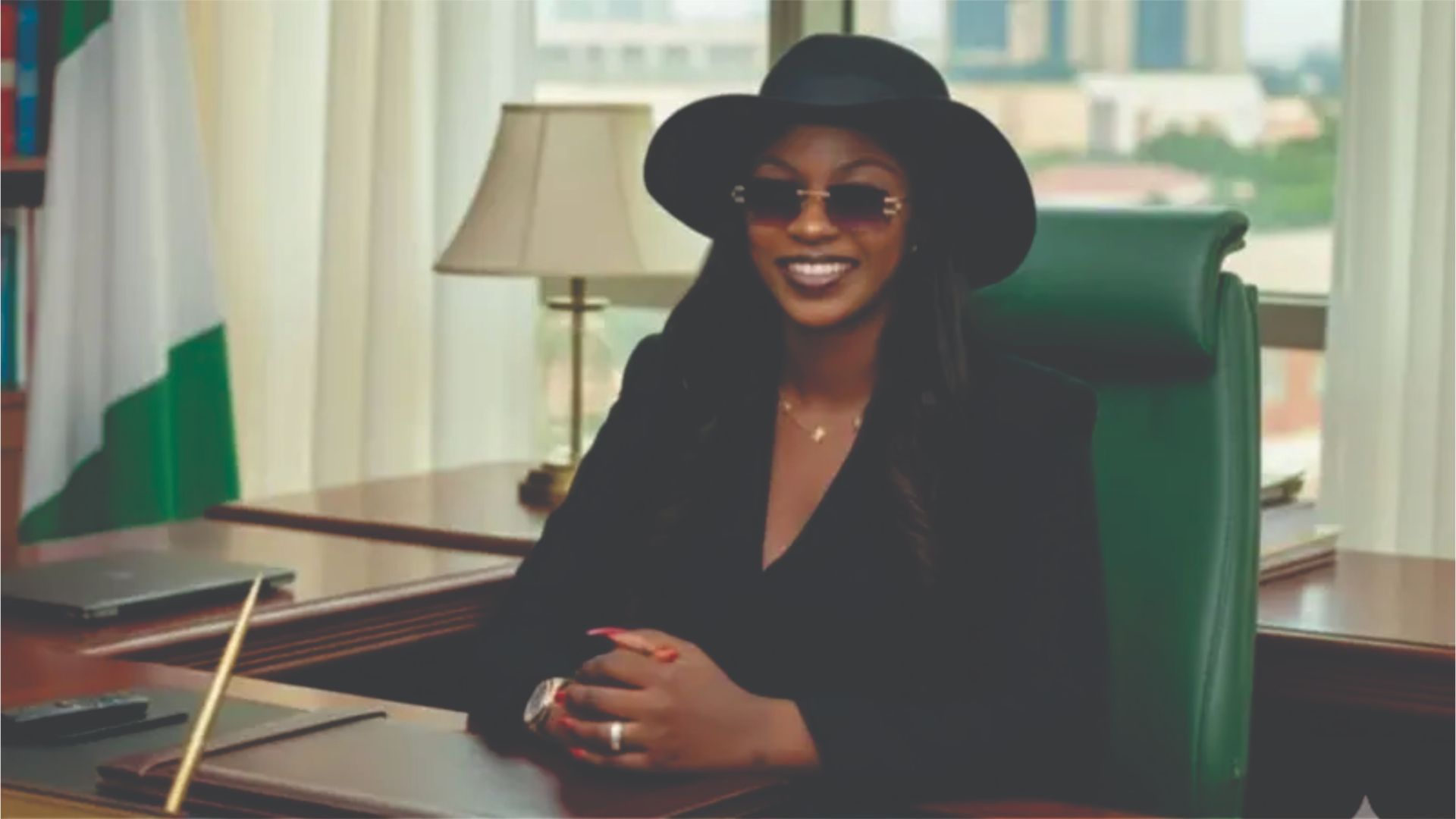
In a forceful statement that has stirred conversation across social media and in entertainment circles, Dr. Natasha (commonly associated with veteran singer 2Baba, née Innocent Idibia) has broken her silence on marriage, personal dignity, and the responsibilities that come with fame. Her remarks - straight to the point and unapologetic - reflect deep frustration with the idea that being married to a celebrity should automatically translate into submission or compromise.
Said Dr. Natasha in a recent public message: “Being a musician doesn’t mean you are above the law … being a man doesn’t mean you can do and undo.” She added that she will not tolerate disrespect or control simply because her husband is a star. According to her, marriage does not negate one’s self-worth or independence:
“I am a doctor and a career woman. I can’t take orders or give submission to another human because he is my husband. We are all equal.”
Dr. Natasha explained that she has urged her husband to pursue further education and personal development - recognizing that living in London (where the couple reportedly spends time) entails different gender expectations from Nigeria.
“See, London is not Nigeria. Here, male and female are equal,” she said.
Her statements have ignited widespread debate about marital expectations, power dynamics, and gender equality - especially in marriages involving celebrities and high-profile public figures. Many view her stance as a bold challenge to entrenched patriarchal norms, a reminder that personal dignity must not be surrendered on account of glamour or social status.
Celebrity, Marriage & Accountability: The Broader Context
The remarks come amid growing scrutiny of the private lives of entertainers in Nigeria, where public fascination often mixes with moral judgment. In 2025, 2Baba publicly apologized to his wife Natasha after controversial comments about male sexuality and monogamy drew sharp backlash. He had claimed men are “not built to be with only one woman,” a remark widely condemned as reinforcing negative gender stereotypes. Vanguard News
Beyond that incident, recent months have seen intense media speculation about marital tensions between the couple - prompting the singer to plead with fans to “cease fire” and allow them to address matters privately. Tori.ng
In that light, Dr. Natasha’s statement can be read not just as a personal reaffirmation of dignity, but as a broader pushback against celebrity culture - demanding that public figures, however famous, remain accountable and respect their partners.
What This Means for Nigerian (and African) Entertainers
Dr. Natasha’s stance carries potential significance for the entertainment industry, particularly in Africa, where social norms, gender roles, and celebrity influence intersect in complex ways. Here’s why the moment matters:
1. Redefining marital norms in celebrity culture
By rejecting the idea that marriage to a star demands submission, Dr. Natasha challenges long-standing expectations - especially for women. If adopted more broadly, this could influence how other celebrities navigate relationships, potentially fostering more equitable partnerships rather than ones dominated by power dynamics and social status.
2. Increasing pressure for accountability and respect
For entertainers, the public often feels entitled to peek into private lives. Dr. Natasha’s public declaration sets a precedent: when boundaries are crossed, it is acceptable - even admirable - to call out mistreatment. This could discourage behaviour rooted in entitlement, reinforcing that fame does not equate to impunity.
3. Symbolism for women’s empowerment in Nigeria and Africa
Her statements resonate beyond the entertainment sphere. They echo broader societal conversations about gender equality, dignity, and respect - especially in contexts where cultural expectations often pressure women to submit in marriages, sometimes at the cost of personal goals or identity. As such, Dr Natasha becomes a symbol for modern African women balancing tradition, career, and self-worth.
4. Potential impact on brand perception and partnerships
Celebrities’ personal lives often influence their brands and public reception. By publicly asserting her values, Dr. Natasha may inspire fans, brands, and media houses to scrutinize more carefully how relationships are portrayed, and perhaps demand more responsibility from public figures - especially when it comes to respect and equality in relationships.
Challenges, Backlash - and What’s at Stake
Of course, such public declarations, especially from people in the limelight, come with risks. Celebrity marriages already face high pressures; speaking out publicly may exacerbate scrutiny, fuel gossip, and invite backlash from fans who expect a certain image or loyalty.
Indeed, similar controversies have already played out. After 2Baba’s comments on monogamy, many fans and social media commentators castigated him; others defended him, polarising opinions along lines of tradition, modernity, and morality.
For Dr. Natasha, pushing back publicly could attract criticism - especially from those who view marriage and gender roles through a conservative or traditional lens.
Yet the risks also come with the potential for change. If more public figures adopt similar stances, the entertainment industry and its fans may gradually recalibrate expectations around celebrity relationships - valuing respect, equality, and dignity over glamour and spectacle.
The Next Chapter: What to Watch
• Public reaction and media coverage: Will fans rally behind Dr. Natasha’s message, or will social media backlash overshadow her words? The broader reception may indicate how ready Nigerian society is for recalibrated norms.
• Behavioural change among entertainers: Will other celebrities - male and female - begin to assert boundaries or demand respect? Personal narratives matter, and Dr. Natasha’s stance could influence a trend.
• Shifts in brand and endorsement culture: As public scrutiny intensifies, brands might begin to evaluate the personal lives and behaviour of celebrities more critically before endorsement deals.
• Broader societal impact: In a patriarchal society, a high-profile woman publicly rejecting oppressive norms may inspire everyday individuals - women especially, to assert their dignity and demand equality in relationships.
Conclusion
Dr. Natasha’s bold declaration - that fame or marital ties do not grant one the right to dominate, disrespect, or demand submission - is more than a personal statement. It’s a challenge to celebrity culture, traditional gender norms, and societal expectations.
In a country where fame often shields indiscretion, and where marriage has historically placed disproportionate burdens on women, her words resonate as a clarion call for dignity, equality, and respect.
Whether the entertainment industry, fans, and the broader public rise to meet that call remains to be seen. But for now, Dr. Natasha has made it clear: being a musician - or a celebrity, does not place you above the law.