UN Report Names Nigeria Among Top Five Countries for Child Soldier Recruitment - Implications for Security and Children’s Rights
A new United Nations report places Nigeria among the world’s top five countries for child soldier recruitment. This article examines the findings, underlying causes, regional patterns, and the profound implications for Nigeria’s security, children’s rights, and peacebuilding.
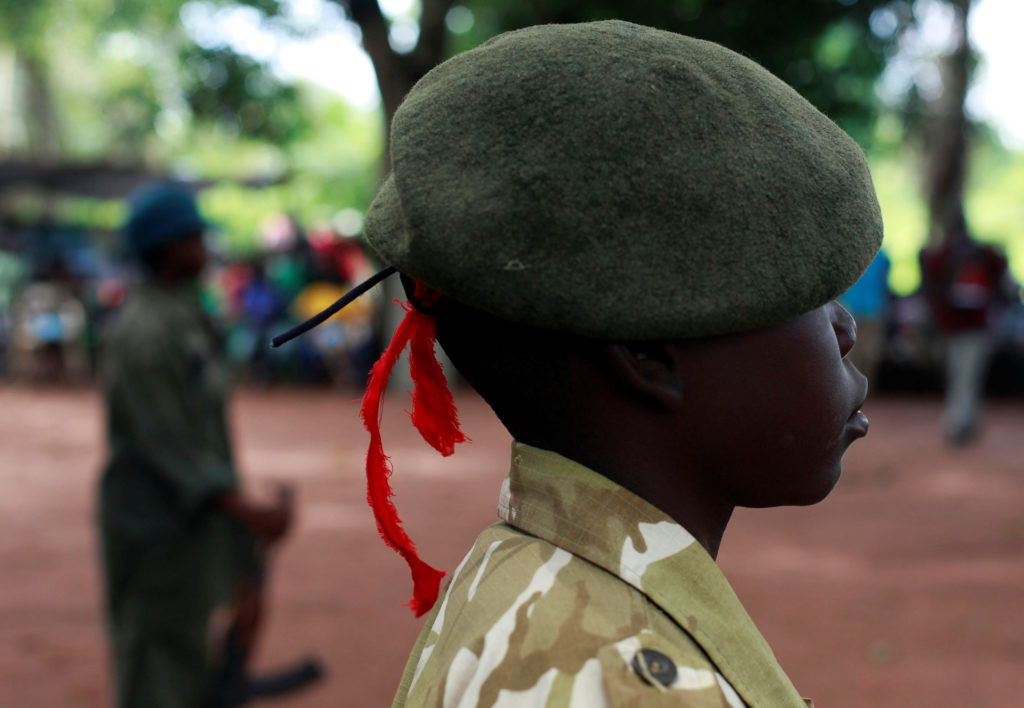
Nigeria has been identified by the United Nations as one of the top five countries with the highest levels of child soldier recruitment and use, underscoring a deepening humanitarian crisis tied to protracted conflict and extremist violence. The alarming ranking, revealed ahead of the International Day Against the Use of Child Soldiers, highlights how children across the globe are being pulled into warfare - and places Nigeria at the center of a critical global issue demanding urgent action. (Punch Newspapers)
According to the UN Special Representative for Children and Armed Conflict, Vanessa Frazier, over 7,400 verified cases of child recruitment and use were recorded globally in 2024 alone. Nigeria - along with the Democratic Republic of the Congo (DRC), Somalia, Syria, and Myanmar - accounts for one of the most significant numbers of children involved in armed conflict. (News Minimalist)
Understanding the UN’s Findings
The UN’s assessment reflects verified cases under its children and armed conflict monitoring mandate. Recruitment and use of minors by armed forces and groups - whether for combat, support roles, or other duties - constitutes one of the most serious violations of international humanitarian law.
In Nigeria, the phenomenon is predominantly linked to non-state armed groups, particularly in the north-east, where violent insurgencies have persisted for more than a decade. Although armed conflict has reduced in some areas in recent years, extremist groups like Boko Haram and the Islamic State West Africa Province (ISWAP) continue using coercive tactics, including abducting and recruiting children into their ranks.
Experts note that security forces and allied militias have also been implicated in a handful of cases, underscoring the complex nature of armed conflict and child involvement in Nigeria. (WAR WATCH)
Why Children Are Drawn Into Conflict
Multiple factors contribute to the recruitment and use of child soldiers in Nigeria:
1. Violent Insurgency and Instability
Protracted conflict in the north-east has destabilized communities, disrupted education and economic life, and made children vulnerable to recruitment by armed groups. Many recruits are abducted from homes or displaced communities. (UNICEF)
2. Economic Hardship and Social Breakdown
Insecurity often coincides with high poverty levels, limited schooling opportunities, and breakdown of social protections - conditions that make children easier to lure with promises of food, money, or safety.
3. Exploitation by Armed Groups
Groups seeking fighters, support roles, or cooks increasingly turn to children because they are easier to indoctrinate, conceal, and control than adults.
Nigeria’s History with Child Recruitment
UNICEF and other child protection agencies have previously documented the scale of child soldiering in Nigeria. A 2022 UNICEF press release noted that more than 8,000 child soldiers had been recruited or used by armed groups in Nigeria since 2009, many of them in the long-running conflict in the north-east.
Historical data also indicate that Nigeria’s conflicts have drawn children into active roles repeatedly over the past decade, despite ongoing demobilization and reintegration efforts. (UNICEF)
Regional Context: West and Central Africa
Nigeria’s high ranking in the UN’s report reflects a broader regional crisis. West and Central Africa have some of the highest rates of child recruitment and grave violations against children in the world. A UNICEF assessment found that the region accounted for tens of thousands of child recruits and numerous other violations, including abduction, attacks on schools, and denial of humanitarian access.
This regional context, fueled by armed conflict, weak governance, and porous borders, makes coordinated action across multiple states essential for protecting children.
Implications for Nigeria
Children’s Rights and Well-Being: Being recruited as a soldier denies a child basic rights - including the right to safety, education, family life, and psychological well-being. Many former child soldiers suffer trauma, stigma, and social exclusion when reintegrating into their communities, particularly girls who may return with children born in captivity.
Without robust support systems, these youths are at greater risk of lifelong psychological harm and reduced opportunities for development and education.
Security and Peacebuilding: Child soldier recruitment is both a symptom and driver of insecurity. Armed groups that use children can sustain cycles of violence and undermine efforts to stabilize regions. Their youth recruits may continue cycles of conflict if not effectively rehabilitated.
Nigeria’s continuing conflict with insurgent and extremist groups complicates peace efforts. The recruitment of minors highlights gaps in security and protection, showing that children remain targets in zones of weak governance and persistent violence.
International Legal and Diplomatic Ramifications: The UN’s identification of Nigeria as one of the top five countries for child soldier recruitment carries serious implications under international law. The Optional Protocol to the Convention on the Rights of the Child on the Involvement of Children in Armed Conflict obligates states to prevent armed groups under their jurisdiction from recruiting or using children under 18. Nigeria ratified the Protocol in 2012.
Failure to fully prevent child recruitment could expose Nigeria to criticism by international actors and human rights organizations, impacting its global reputation and diplomatic relations.
Efforts to Address the Problem
Demobilization and Reintegration: The UN and partners have facilitated the separation of tens of thousands of children from armed groups over the past three decades. Reintegration programs typically include psychosocial care, education, vocational training, and community support mechanisms.
However, these efforts remain complex and resource-intensive. Reintegration is often hampered by stigma and a lack of funding for long-term support.
Prevention and Education: UN officials emphasize prevention - including keeping children in school and strengthening community resilience - as vital to reducing vulnerability to recruitment.
Strengthening legal enforcement against recruiters and holding perpetrators accountable also plays a role in deterrence.
Challenges Ahead
Despite ongoing efforts, the continued presence of child soldiers highlights persistent challenges:
- Continued insecurity and conflicts in the Lake Chad Basin and other regions sustain the problem.
- Resource constraints limit the reach of child protection and reintegration programs.
- Stigma and social rejection make it difficult for former child recruits to return to their communities.
International bodies, Nigerian authorities, and civil society must coordinate to fill these gaps and protect children’s rights more effectively.
Conclusion
Nigeria’s inclusion among the top five countries for child soldier recruitment is a sobering reminder of the deep humanitarian challenges linked to protracted conflict and extremist violence. While the numbers only reflect verified cases - and the true scale is likely greater - the report underscores the urgent need for strengthened protective measures, comprehensive reintegration programs, and coordinated international action. Safeguarding children’s rights is not only a moral imperative but also a cornerstone of long-term peace and security.