UN Inquiry Says Israel Targeted Gaza Children in Actions That May Amount to Genocide, Report Alleges
A UN inquiry report alleges that Israeli military actions in Gaza may amount to genocide, including the targeting of children, raising global legal and diplomatic concerns as investigations continue.
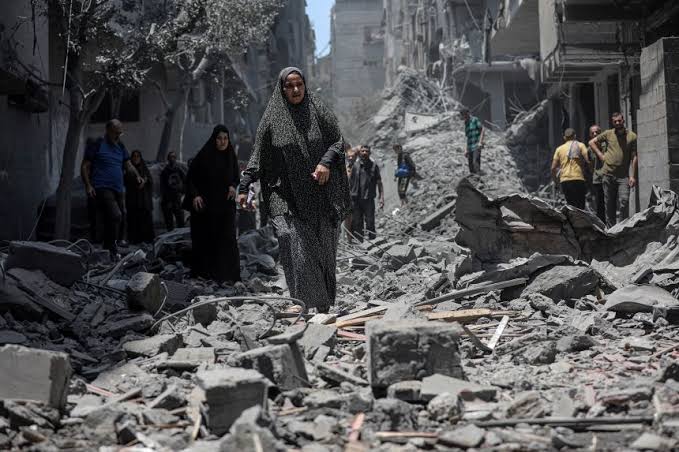
A United Nations-backed inquiry has alleged that Israeli military operations in Gaza may amount to acts of genocide, citing extensive civilian casualties, including a significant number of children, and patterns of conduct that investigators say warrant further international legal scrutiny.
The findings, which have triggered global debate and strong reactions from multiple governments and rights groups, stem from an independent UN commission examining conduct during the ongoing Israel-Gaza conflict. The commission emphasized that its conclusions are preliminary in legal terms but raised “serious concerns” that international humanitarian law may have been violated on a large scale.
According to the report, children have been disproportionately affected by the military campaign in Gaza, with thousands reportedly killed or injured in strikes on residential areas, schools, and medical facilities. The inquiry argues that the scale and pattern of destruction raise questions about intent under the Genocide Convention.
The United Nations Human Rights Council has previously mandated independent fact-finding missions in conflict zones to assess compliance with international law (https://www.ohchr.org)
Allegations Focus on Civilian Impact and Infrastructure Destruction
The inquiry report highlights repeated strikes on densely populated civilian areas, stating that the destruction of infrastructure has severely impacted access to food, healthcare, and safe shelter for civilians in Gaza.
Investigators note that hospitals, schools, and refugee shelters have been damaged or destroyed during military operations, contributing to what the report describes as “catastrophic humanitarian conditions.”
The report also raises concerns about restrictions on humanitarian aid, which it says has worsened the crisis for vulnerable populations, particularly children who face malnutrition, trauma, and lack of medical care.
While the inquiry does not issue binding legal rulings, its findings are expected to influence future proceedings in international courts, including the International Court of Justice (ICJ) and the International Criminal Court (ICC).
The ICJ has already been involved in related proceedings concerning allegations of genocide and violations of humanitarian law (https://www.icj-cij.org).
Israel Rejects Allegations, Calls Report Biased
The Israeli government has strongly rejected the findings of the UN inquiry, describing them as biased and politically motivated. Officials maintain that military operations in Gaza are directed at armed groups and are conducted in accordance with international law.
Israeli authorities argue that Hamas and other militant groups operate within civilian areas, complicating military targeting decisions and contributing to civilian casualties.
In previous statements, Israel has emphasized its right to self-defense following cross-border attacks, while acknowledging the challenges of urban warfare in densely populated regions.
The Israeli Ministry of Foreign Affairs has dismissed similar allegations in the past, urging international bodies to focus on what it describes as the conduct of militant groups responsible for initiating hostilities.
Global Reaction and Diplomatic Tensions
The report has intensified global diplomatic tensions, with several countries and international organizations expressing concern over the humanitarian situation in Gaza.
Human rights organizations have called for urgent international action, including independent investigations, ceasefire enforcement, and increased humanitarian access to affected populations.
Meanwhile, some governments have urged caution, emphasizing the need to distinguish between allegations and legally established findings in international courts.
The United Nations itself has repeatedly called for restraint from all parties and stressed the importance of protecting civilians under the Geneva Conventions (https://www.icrc.org).
Legal Standards for Genocide Allegations
Under the 1948 Genocide Convention, genocide is defined as acts committed with intent to destroy, in whole or in part, a national, ethnic, racial, or religious group.
Legal experts note that proving genocide requires establishing both the scale of harm and specific intent, making such cases among the most complex in international law.
The UN inquiry reportedly based its assessment on patterns of conduct, including mass civilian casualties and destruction of essential infrastructure, while emphasizing that final legal determinations rest with competent international courts.
International legal scholars caution that such findings are preliminary and often subject to extensive judicial review before any formal ruling is made.
Humanitarian Crisis Deepens in Gaza
Beyond legal debates, humanitarian agencies report worsening conditions for civilians in Gaza, where ongoing conflict has led to widespread displacement and shortages of food, water, and medical supplies.
Aid organizations warn that children are among the most vulnerable, facing long-term psychological trauma, interrupted education, and heightened risk of disease.
UN agencies, including UNICEF and the World Food Programme, have repeatedly called for expanded humanitarian corridors and sustained ceasefire arrangements to allow relief operations to reach affected populations.
Calls for Accountability and International Action
The UN inquiry’s findings are expected to intensify calls for accountability at the international level, with advocacy groups urging referral of alleged violations to global judicial bodies.
At the same time, diplomats continue to push for negotiated solutions to end hostilities and establish frameworks for long-term peace and security in the region.
Observers note that the report may influence ongoing diplomatic discussions at the United Nations General Assembly and Security Council, where member states continue to debate resolutions related to the conflict.
Conclusion
The UN inquiry’s allegation that Israel’s military actions in Gaza may constitute genocide, particularly in relation to the impact on children, adds a significant layer of legal and diplomatic complexity to an already deeply contentious conflict.
While the findings remain subject to further legal review and are not binding determinations, they have intensified global scrutiny and renewed calls for accountability, humanitarian access, and protection of civilians.
As international legal processes continue, the situation remains fluid, with major implications for diplomacy, international law, and the future of the region.