UN Agencies List Nigeria Among Hunger Hotspots as Looming Global Famine Alarms
UN’s Food and Agriculture Organization (FAO) and World Food Programme (WFP) classify Nigeria among 16 “hunger hotspots,” warning millions face acute food insecurity as funding collapses and conflicts mount.
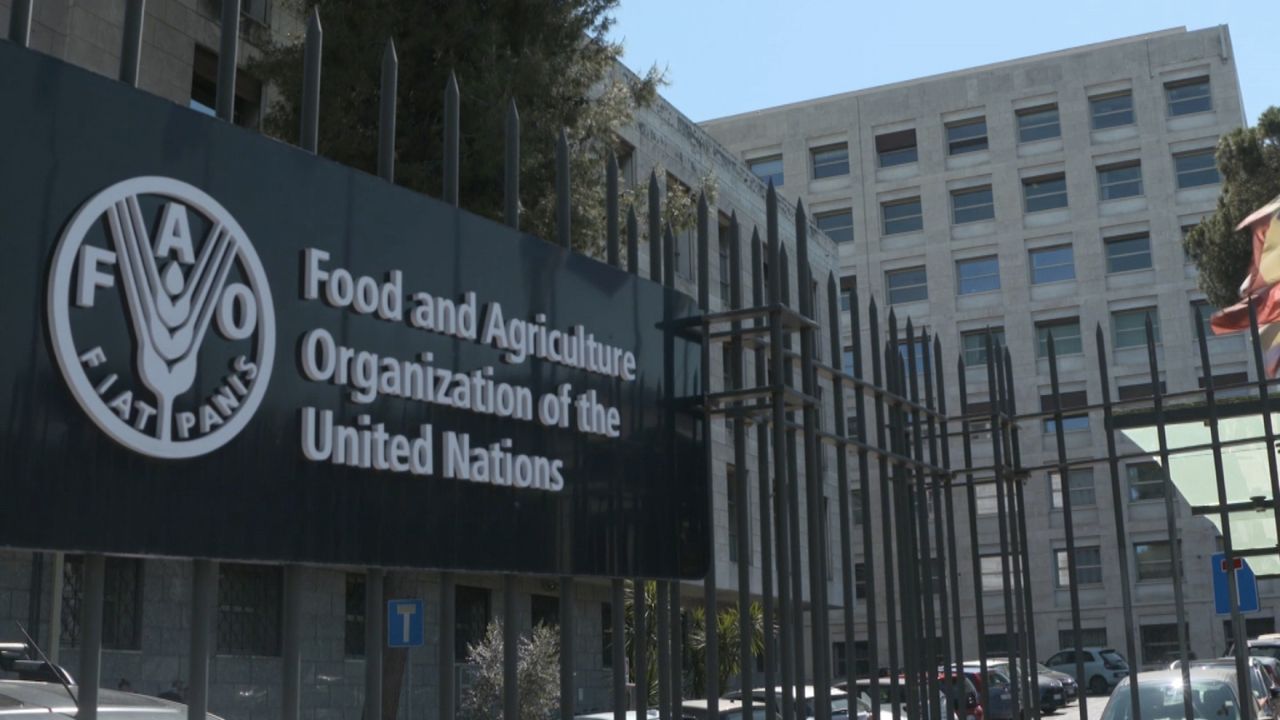
A serious global food-security alarm has been raised by the joint Food and Agriculture Organization (FAO) and entity ["organization", "World Food Programme", 0] (WFP), which in their latest Hunger Hotspots report identify Nigeria among 16 countries where acute food insecurity is deepening and where famine or near-famine conditions may follow unless urgent action is taken. World Food Programme
The context
According to the FAO-WFP early warning published for the period June to October 2025, multiple overlapping factors are driving the crisis: violent conflict, extreme weather, economic shocks and critical humanitarian-funding shortfalls. The report emphasises that in 14 of the 16 hotspots, conflict and violence are primary drivers of hunger. United Nations+1
For Nigeria the warning is sharp: while the country has been dealing with food insecurity for years, the combination of insurgency in the North-East, climate extremes, runaway inflation and collapsing aid-pipelines means conditions are nearing a tipping point. The FAO noted that 30.6 million Nigerians are projected to face acute food and nutrition insecurity during the June–August 2025 lean season. FAOHome
What the report says
The Hunger Hotspots briefing states:
“Time is quickly running out to avert widespread starvation in the areas of highest concern. Conflict, economic shocks, extreme weather, and critical funding short-falls are exacerbating dire conditions. Despite the growing urgency to provide life-saving assistance at scale, funding is perilously limited.” World Food Programme
Key points include six countries (Haiti, Mali, Palestine, South Sudan, Sudan and Yemen) rated at highest concern, six more (Afghanistan, DRC, Myanmar, Nigeria, Somalia and Syria) are classified as very high concern while four further countries/regions (Burkina Faso, Chad, Kenya and the Rohingya operation in Bangladesh) complete the list of 16. World Food Programme
The agencies warn that only US$10.5 billion out of a required US$29 billion had been received by end-October 2025, leaving funding gaps that are forcing emergency ration cuts, stalled humanitarian programmes and suspended school-feeding schemes. United Nations
Nigeria’s crisis in sharper focus
In Nigeria’s case, data compiled by the WFP confirm deepening strain: more than 1.3 million people in conflict-affected northern states are already receiving aid, but the programme warns of suspension of food-and-nutrition support if further funding does not arrive. World Food Program USA
Inflation-driven price rises, combined with insurgency and communal clashes, are eroding household access to food. Agriculture-based livelihoods are under pressure, especially in the North-West and North-East, where farming has declined amid violence. FAOHome
So far, Nigeria has managed to avoid full-scale famine classification, but experts warn failure to scale up support ahead of planting seasons may push certain states into “catastrophe” (IPC/CH Phase 5) unless immediate action is taken. AP News
Why it matters – Beyond numbers
This crisis is more than raw statistics. It strikes at the heart of governance, development and regional stability.
1. Conflict as driver: In Nigeria and many hotspots, food-security collapse is not only due to natural disasters but to the collapse of law, order and safe access to farmland. When farmers cannot plant or harvest, when markets are disrupted and transport blocked, hunger rapidly deepens.
2. Funding failure: Humanitarian actors repeatedly stress that famine is largely preventable - but only if funded early. Cutting food-aid budgets while needs rise sets the stage for disaster. The FAO-WFP report stresses the importance of moving from reaction to prevention. World Food Programme
3. Economic-livelihood collapse: Food emergencies often mutate into protracted crises. For Nigerian households, the mix of inflation, weak purchasing power and shrinking rural incomes means more families are slipping into survival mode rather than recovery.
4. Regional risk: Nigeria’s food crisis has knock-on consequences across West Africa. Migration flows, conflict spill-over, weakened states - these ripple effects travel. The Reuters coverage warned that 52 million people in West & Central Africa face food insecurity in 2025, highlighting the interconnectedness. Reuters
What needs to happen now
FAO and WFP stress five urgent actions:
Scale up financing: Life-saving aid must be funded now or risk irreversible outcomes.
Protect livelihoods: Support seeds, livestock, planting inputs so households can produce food ahead of next season.
Ensure humanitarian access: Especially in conflict-affected zones where aid cannot get through.
Promote resilience and social protection: Build systems that reduce dependence on emergency aid.
Sharpen focus on prevention: The early warning systems work - what’s missing is political will and funding. United Nations
Implications for Nigeria
This analysis has specific resonance for Nigeria:
With over 30 million people projected to require food assistance, the sheer scale argues for a national emergency framework.
The agricultural sector must be treated as a strategic pillar - conflict-affected states need special support in such seasons.
Funding shortfalls mean the government and partners must consider blended financing models and domestic resilience measures, not just reactive aid.
Stability risks: In regions where insurgency remains, hunger creates fertile ground for recruitment, violence and mass displacement. More hunger equals more insecurity.
A last chance to steer away from disaster
Famine isn’t inevitable - but the window of opportunity is closing fast. As FAO Director-General Qu Dongyu said in the report: “We must move from reacting to crises, to preventing them… Investing in livelihoods, resilience and social protection before hunger peaks will save lives and resources.” United Nations
And WFP Executive Director Cindy McCain warned: “We are on the brink of a completely preventable hunger catastrophe… Mothers are skipping meals so their children can eat… We need new funding and unimpeded access - failure to act now will only drive further instability, migration, and conflict.” World Food Programme
For Nigeria, for Africa and for the world, the message is clear: the crisis is real, the conditions meet the red flags, and the necessary tools are known. What remains is the decision to act swiftly, or watch as the consequences unfold.
Source links
FAO–WFP Hunger Hotspots (June-Oct 2025 outlook)