Ukraine-Russia Peace Talks Resume in Abu Dhabi as US Reports 'Some Flexibility' From Warring Sides
Ukraine and Russia have resumed US-mediated peace talks in Abu Dhabi, with Washington reporting private flexibility over territorial disputes. Security guarantees, Donetsk and Europe's role remain major obstacles to ending the war.
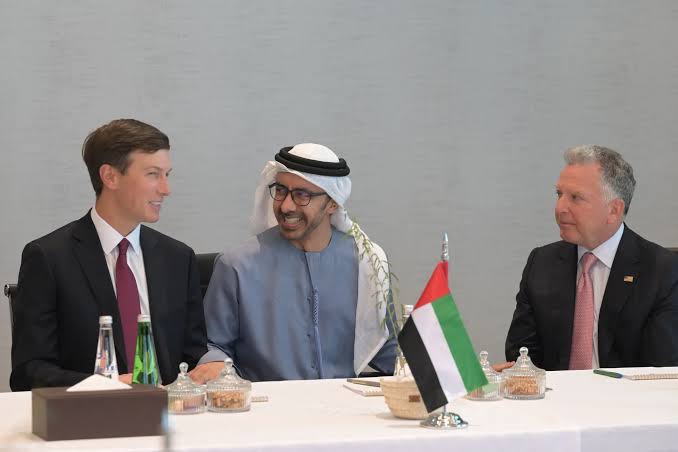
Diplomatic efforts to end Russia's nearly five-year war against Ukraine have resumed in Abu Dhabi, with United States officials expressing cautious optimism after reporting that Moscow and Kyiv are privately showing some flexibility over territorial disagreements.
The renewed negotiations bring together senior representatives from Russia, Ukraine and the United States for the first trilateral peace discussions since February, following months of stalled diplomatic efforts and continued military confrontation.
US officials said both warring countries had demonstrated a willingness to explore possible compromises privately, particularly over the future of Ukraine's eastern territories, despite maintaining their opposing positions publicly.
The development has raised fresh hopes that Washington's renewed diplomatic intervention could create an opportunity for progress towards ending Europe's most devastating conflict in decades.
However, American officials have warned that reaching an agreement will be difficult, with territorial control, postwar security arrangements and Russia's demands concerning NATO remaining significant obstacles.
The two-day negotiations, which began on Tuesday, November 10, are being led by US special envoy Steve Witkoff and Jared Kushner, President Donald Trump's son-in-law.
The American delegation is seeking to establish a framework that addresses the security concerns of both countries while creating a pathway towards a lasting settlement.
US Officials Report Private Flexibility Over Territory
One of the most significant developments ahead of the Abu Dhabi meeting was Washington's assessment that Russia and Ukraine might be more willing to consider compromises than their public statements suggest.
According to a US official who briefed journalists ahead of the negotiations, both countries had privately demonstrated what was described as a little flexibility over the future of the eastern Donetsk region.
Russia has consistently demanded control of the entire Donbas region, including territories in Donetsk and Luhansk that remain under Ukrainian control.
Moscow argues that Ukraine should withdraw its forces from the remaining parts of the territory as part of any comprehensive peace settlement.
Ukraine, however, has rejected demands to surrender land that Russian forces have failed to capture militarily.
President Volodymyr Zelenskyy has maintained that Ukraine cannot accept territorial concessions that would compromise its sovereignty or leave its population vulnerable to future Russian aggression.
The US official suggested that although the two sides had not publicly abandoned their positions, private discussions had created room for exploring possible compromises.
Washington believes territorial questions cannot be resolved independently of the security arrangements that would govern Ukraine after the war.
The official explained that both sides needed to understand what the postwar security framework would look like before finalising decisions about territorial control.
Security Guarantees Take Centre Stage
Security guarantees for Ukraine and Russia are expected to dominate the negotiations.
For Kyiv, the central concern is preventing another Russian invasion after any peace agreement is reached.
Ukraine wants assurances that its Western allies, particularly the United States and European countries, would respond decisively if Russia launches another military attack.
American officials have discussed security guarantees modelled on NATO's Article 5 collective defence principle, under which an armed attack against one member is treated as an attack against all.
A US official said Washington had explored arrangements that could provide Ukraine with protection comparable to NATO membership without necessarily requiring immediate admission into the military alliance.
The proposed framework could also include regular security consultations, crisis communication channels and reciprocal de-escalation measures designed to prevent future confrontations.
For Russia, however, the security discussion involves longstanding demands concerning NATO's military presence in Eastern Europe.
President Vladimir Putin has repeatedly argued that NATO expansion threatens Russian security and has demanded restrictions on the alliance's military activities near Russian territory.
Moscow is therefore seeking a broader European security arrangement that addresses its own strategic concerns.
This creates a complicated diplomatic challenge because arrangements intended to reassure Russia could undermine the security interests of Ukraine and neighbouring European countries.
Russia and Ukraine Maintain Contrasting Peace Demands
Despite the reported private flexibility, fundamental disagreements between Moscow and Kyiv remain unresolved.
Russian President Vladimir Putin has continued to insist that Ukraine must withdraw from the remaining territories claimed by Russia in Donetsk, Luhansk, Zaporizhzhia and Kherson.
Moscow also wants Ukraine to abandon its ambition of joining NATO and accept restrictions on its military capabilities.
Kyiv considers these demands unacceptable, arguing that they would leave the country vulnerable to renewed aggression.
Ukraine has instead advocated an immediate ceasefire as the first step towards comprehensive peace negotiations.
Zelenskyy has also insisted that territorial questions should ultimately be addressed by national leaders rather than settled through external pressure.
The Ukrainian government wants any settlement to include credible security guarantees, reconstruction assistance, humanitarian arrangements and protections for citizens living in territories affected by the conflict.
The Kremlin, meanwhile, has resisted an unconditional ceasefire, arguing that a temporary halt in fighting could allow Ukrainian forces to reorganise and strengthen their military capabilities.
These competing positions explain why American officials have cautioned against expecting an immediate breakthrough from the Abu Dhabi discussions.
Abu Dhabi Talks Resume After Nine-Month Diplomatic Pause
The renewed negotiations represent an important attempt to revive a diplomatic process that has remained largely inactive since February.
Previous rounds of US-mediated discussions in Abu Dhabi and Geneva failed to produce a breakthrough, with disagreements over territory, security guarantees and the future relationship between Ukraine and NATO preventing meaningful progress.
The latest meeting is particularly significant because it brings Russian, Ukrainian and American representatives together again after Washington's diplomatic attention was diverted by the conflict involving Iran.
Russia's delegation includes senior Kremlin aide Vladimir Medinsky, Deputy Foreign Ministers Sergei Ryabkov and Mikhail Galuzin, intelligence chief Igor Kostyukov and military representative Yury Zhigarlovsky.
Ukraine is represented by several senior officials, including Rustem Umerov, Kyrylo Budanov, Serhii Kyslytsia, Vadym Skibitskyi and parliamentary faction leader Davyd Arakhamiia.
The first day's discussions lasted several hours, with security guarantees, territorial questions and postwar arrangements featuring prominently.
However, no agreement was announced following the initial discussions, and negotiations are expected to continue on Wednesday, November 11.
The first day's discussions exposed continuing disagreements over Donetsk, with Russia maintaining its territorial demands and Ukraine refusing to surrender the remaining areas under its control.
Europe Demands a Seat at the Negotiating Table
Another major issue surrounding the negotiations is the involvement of European countries.
European leaders have expressed concern that decisions concerning the continent's future security architecture could be reached without their direct participation.
The European Union and NATO have repeatedly argued that any agreement involving European security must include European governments.
European Commission President Ursula von der Leyen has called for NATO allies and EU members to participate in meaningful discussions about the continent's security arrangements.
Germany, France and the United Kingdom are among the European countries seeking a greater role in the diplomatic process.
US officials have indicated that Washington intends to encourage Russia to accept a broader multilateral negotiating format that would allow European representatives to participate directly.
Witkoff and Kushner are expected to press Moscow on the issue, although Russian officials have expressed reservations about European involvement.
Russia's Foreign Minister, Sergei Lavrov, has previously dismissed the possibility of European representatives influencing the negotiations, reflecting Moscow's preference for dealing directly with Washington.
The disagreement highlights the diplomatic difficulties facing Trump as he attempts to negotiate an arrangement that satisfies Ukraine, Russia and America's European allies.
Fighting Continues Despite Renewed Peace Efforts
While diplomats are discussing possible solutions in Abu Dhabi, military operations continue across Ukraine.
Russia has intensified attacks on Ukrainian energy infrastructure as winter approaches, with strikes affecting electricity supplies across several regions.
According to reports, Russian attacks have caused power outages in Dnipropetrovsk, Donetsk, Kyiv, Sumy, Kharkiv and Chernihiv.
The continued bombardment has raised concerns about the humanitarian consequences of the conflict, particularly for civilians facing electricity and heating shortages during winter.
Ukraine has also continued attacking Russian military and strategic infrastructure.
The ongoing violence illustrates the difficulty of negotiating peace while both countries continue to pursue military objectives on the battlefield.
Ukraine has repeatedly argued that Russia's continued attacks demonstrate the need for stronger international pressure before Moscow can be persuaded to accept a meaningful settlement.
Russia, however, maintains that its security demands must be addressed as part of any comprehensive peace agreement.
Trump Administration Seeks a Lasting Settlement
President Donald Trump has made ending the Russia-Ukraine war one of his major foreign policy priorities.
His administration believes the enormous human and economic costs of the conflict could eventually persuade both countries to compromise.
American officials have described the renewed negotiations as an opportunity to establish momentum towards a final settlement, although they have acknowledged that the process will require considerable time and diplomatic effort.
The US has also explored economic incentives and broader security arrangements as potential components of an agreement.
Kushner has emphasised the importance of addressing what happens after the fighting ends, arguing that both countries must consider their long-term security concerns.
However, Ukrainian officials and European leaders remain cautious about any agreement that could reward territorial aggression or leave Ukraine exposed to another invasion.
Prospects for Peace Remain Uncertain
The resumption of Ukraine-Russia peace talks represents a significant diplomatic development, but the reported flexibility should not be mistaken for an imminent breakthrough.
The disagreements over Donetsk, NATO expansion, military restrictions and international security guarantees remain substantial.
For Ukraine, peace must come with credible protections for its sovereignty and territorial integrity. For Russia, any settlement must address its demands concerning NATO and the broader European security arrangement.
For Washington, the challenge is finding a compromise that can be accepted by both sides without destabilising Europe's security.
The second day of negotiations in Abu Dhabi will therefore be closely watched by governments, financial markets and millions of people affected by the conflict.
Whether the renewed diplomatic engagement produces a ceasefire or another prolonged round of negotiations remains uncertain.
Nevertheless, the willingness of both countries to return to the negotiating table, alongside Washington's reported assessment of private flexibility, offers a fresh opportunity to explore an end to a war that has devastated communities, displaced millions and reshaped international relations.