UK Says It Won’t Interfere in Nigeria’s 2027 Elections, Declares No Preferred Political Party
The United Kingdom has stated that it will not interfere in Nigeria’s 2027 general elections and has no preferred political party or candidate, reaffirming support for democratic processes and credible elections.
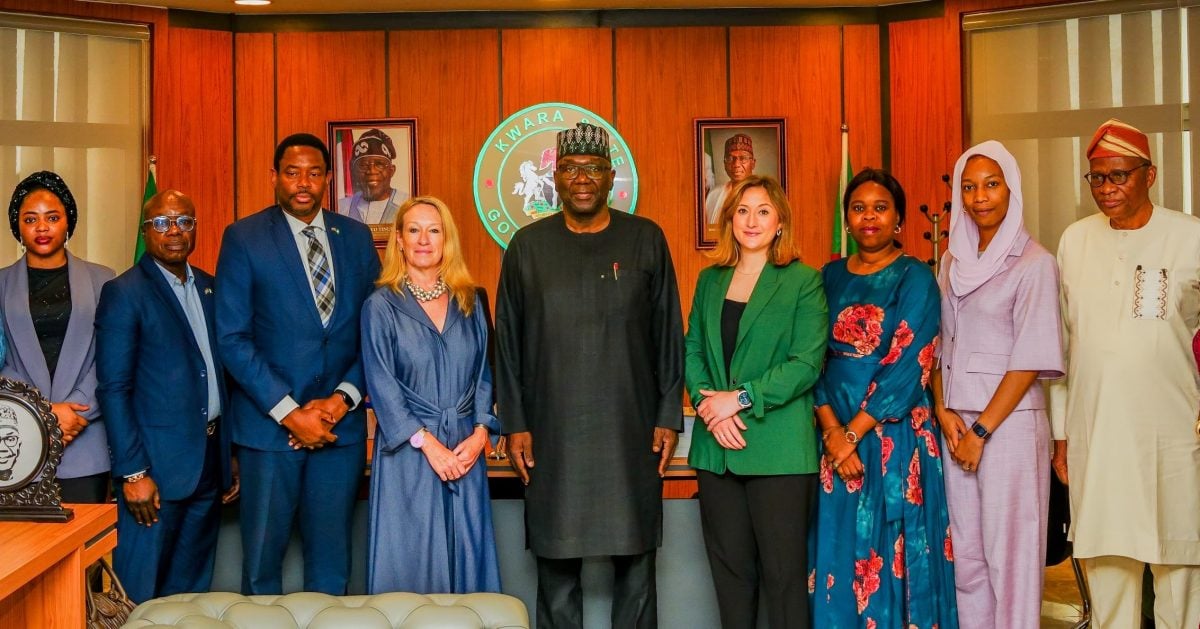
The United Kingdom has publicly declared that it will not interfere in Nigeria’s 2027 general elections and does not have any preferred political party or candidate ahead of the highly anticipated polls.
The statement comes amid growing political realignments, coalition talks, and increasing speculation surrounding foreign interests in Nigeria’s political future. British officials emphasized that the UK’s primary interest remains supporting democratic institutions, transparency, and peaceful electoral processes rather than backing any political group. (punchng.com)
The clarification was reportedly made by the British High Commission in Abuja following concerns and public discussions over alleged foreign influence in Nigeria’s politics ahead of the 2027 presidential election. The commission stressed that the UK respects Nigeria’s sovereignty and believes Nigerians alone should determine their political future through free and fair elections. (guardian.ng)
According to the British High Commission, the UK’s focus remains on strengthening democratic governance, promoting accountability, and supporting institutions that ensure credible elections.
“The UK does not support any political party or candidate in Nigeria. Our interest is in a peaceful, transparent, and democratic process led by Nigerians,” the commission reportedly stated.
The statement comes at a politically sensitive period as conversations around the 2027 elections continue to intensify across Nigeria. Political stakeholders have already begun consultations, alliances, and strategic meetings despite the election still being nearly two years away.
Recent political developments, including opposition coalition talks and growing debates over President Bola Tinubu’s second-term ambitions, have fueled public attention on both domestic and international political interests. (vanguardngr.com)
Analysts say the UK’s statement is significant because foreign governments are often accused during election cycles of quietly supporting preferred candidates or political blocs in Africa’s largest democracy.
Nigeria maintains strong diplomatic, economic, and historical ties with the United Kingdom, dating back to the colonial era. Because of these longstanding relations, comments or actions from British officials frequently attract political attention in Nigeria. (thisdaylive.com)
The British High Commission also reportedly reiterated its commitment to working with whichever government emerges through a democratic process, emphasizing that the leadership decision belongs entirely to Nigerian voters.
Political observers believe the statement may help calm rising conspiracy theories circulating on social media about foreign powers allegedly favoring certain Nigerian politicians ahead of 2027.
In recent weeks, several opposition figures and political commentators had speculated about possible international alignments following meetings between Nigerian politicians and foreign diplomats. However, there has been no evidence publicly presented to support claims of direct foreign political sponsorship. (premiumtimesng.com)
The UK’s announcement has generated mixed reactions among Nigerians online.
Some social media users welcomed the clarification, arguing that foreign neutrality is important for maintaining confidence in Nigeria’s democratic system. Others, however, remained skeptical, insisting that global powers often influence political developments indirectly through economic or diplomatic relationships.
On Reddit and Nigerian political forums, users debated whether foreign governments can ever truly remain neutral in major African elections given the economic and strategic importance of Nigeria. Several commenters argued that Nigeria’s large market, oil resources, and regional influence naturally attract international attention regardless of official statements. (reddit.com)
The British government has historically supported election monitoring, governance reforms, anti-corruption initiatives, and civil society programs in Nigeria. During previous election cycles, the UK partnered with organizations promoting voter education, electoral transparency, and peaceful political participation. (gov.uk)
Analysts note that the UK’s latest position aligns with standard diplomatic practice, as Western governments generally avoid publicly endorsing candidates in democratic elections abroad.
Still, Nigeria’s 2027 election is already shaping up to be one of the country’s most competitive political contests in recent years.
The ruling All Progressives Congress (APC) is expected to seek re-election under President Bola Tinubu, while opposition parties continue exploring possible alliances aimed at unseating the current administration. Discussions involving former Vice President Atiku Abubakar, Labour Party figures, and other opposition stakeholders have fueled speculation about a potential coalition ahead of the election.
Economic conditions, inflation, insecurity, unemployment, fuel subsidy reforms, and exchange rate instability are expected to dominate political campaigns leading into 2027. Public frustration over rising living costs has already intensified political debate nationwide.
Some analysts believe international partners such as the UK, the United States, and the European Union will focus primarily on ensuring electoral credibility and stability rather than openly supporting any political faction. Nigeria’s strategic importance in Africa means global powers are particularly interested in maintaining democratic continuity and avoiding post-election instability.
The Independent National Electoral Commission (INEC) is also expected to face increased scrutiny ahead of the polls following controversies surrounding previous elections. Civil society groups have already begun calling for reforms to strengthen transparency and restore voter confidence.
For now, the UK insists its role remains limited to supporting democratic institutions and encouraging peaceful participation.
As Nigeria’s political atmosphere gradually heats up ahead of 2027, the British government’s statement appears aimed at reassuring Nigerians that the country’s future leadership choice will remain solely in the hands of its citizens.
With political campaigns likely to intensify in the coming months, both domestic and international observers will continue monitoring developments closely as Africa’s most populous nation prepares for another crucial democratic transition.