UK’s Starmer Tells Abramovich to Transfer £2.5bn Chelsea Sale Proceeds to Ukraine - Legal Action Looms
UK Prime Minister Sir Keir Starmer demands Roman Abramovich transfer £2.5bn from Chelsea sale to Ukraine for humanitarian aid or face court action.
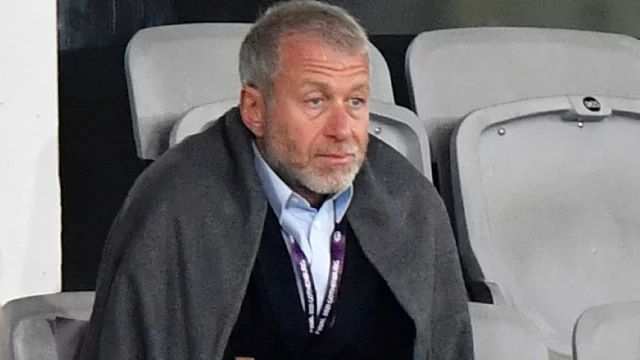
British Prime Minister Sir Keir Starmer has issued a stark ultimatum to Russian oligarch Roman Abramovich, insisting he honour his 2022 pledge to donate £2.5 billion from the sale of Chelsea Football Club to humanitarian efforts in Ukraine - and warning that the UK government will pursue legal action if he fails to comply within 90 days. (GOV.UK)
Starmer’s announcement came during Prime Minister’s Questions in the House of Commons on 17 December 2025, where he said that ministers had issued a licence allowing the transfer of the frozen proceeds to a new foundation supporting humanitarian causes in Ukraine, but stressed that time was running out for Abramovich to honour his commitment.
“My message to Abramovich is this: the clock is ticking,” Starmer told MPs. “Honour the commitment you made and pay up now, and if you don’t, we are prepared to go to court so every penny reaches those whose lives have been torn apart by Putin’s illegal war.” (Sky Sports)
Frozen Funds and Prolonged Stalemate
The origins of the dispute go back to May 2022, when Abramovich - then under UK sanctions due to his close connections with Russian President Vladimir Putin, was forced to sell Chelsea FC following Russia’s full-scale invasion of Ukraine. At the time, he pledged that the proceeds from the sale would be donated to benefit the Ukrainian people, particularly victims of the war.
However, although the club was sold to a consortium led by Todd Boehly and Clearlake Capital, the £2.5 billion in proceeds have remained frozen in a UK bank account controlled by Abramovich’s company, Fordstam Ltd, amid disagreements between Abramovich and the UK government over how the funds should be used. While Abramovich has argued that the funds should benefit “all victims of the war,” the UK insists they must be spent exclusively on humanitarian relief in Ukraine.
Under the terms of the licence issued by the UK government this week, the money must be channelled into a foundation that will support humanitarian causes in Ukraine. Any future gains from these funds could be spent more broadly on victims of conflict globally - but Abramovich and his legal team must first agree to the transfer for it to proceed.
Chancellor Rachel Reeves described the prolonged delay in releasing the funds as “unacceptable,” noting that billions owed to the Ukrainian people have languished in a UK bank account for more than three years with no tangible benefit to those suffering from Russia’s invasion.
Implications for Ukraine and International Aid
If Abramovich complies, the £2.5bn could inject a significant boost into Ukraine’s humanitarian response, which the United Nations estimates requires billions annually to support millions of civilians affected by the war. Humanitarian groups and UK-based NGO networks such as Bond have welcomed the government’s move, saying the licence offers long-overdue permission to deploy funds that could save lives and alleviate suffering. (bond.org.uk)
The funds could ultimately support food, shelter, medical care and reconstruction efforts across Ukraine, where continued conflict has left large swathes of infrastructure destroyed and millions displaced. Humanitarian aid has been chronically underfunded, with the United Nations appealing for billions of dollars annually to meet urgent needs.
Yet the situation also highlights the complex legal and diplomatic challenges involved in re-purposing frozen assets - a topic of ongoing debate among Western allies seeking ways to hold Russia and its elites financially accountable for war-related damages. The UK’s decision could set a precedent for how other frozen assets are managed, particularly in coordination with the European Union’s broader proposals to use immobilized Russian assets to finance reconstruction and restitution efforts. (The Guardian)
Broader International Context and Legal Questions
The controversy reflects broader international tensions over how best to leverage sanctioned Russian assets for humanitarian and strategic purposes. European leaders have discussed channeling money from frozen sovereign assets toward Ukraine’s needs - a move that has encountered legal, diplomatic and logistical hurdles.
Abramovich’s stance - seeking flexibility to use the proceeds for all victims of the conflict, has clashed with the UK government’s position that the money should benefit Ukrainians specifically, an argument rooted in ensuring that reparations for harm inflicted by Russia are directed where need is greatest.
Legal experts say the UK government’s licence is a bold step that attempts to balance sanctions law with humanitarian objectives. If Abramovich fails to agree to the terms, Starmer’s government has made clear it will pursue court enforcement to compel compliance - a move that could involve prolonged litigation and potential appeals in UK courts.
Political and Public Reaction
Starmer’s ultimatum has drawn praise from humanitarian advocates and Ukraine solidarity groups, who argue that moral obligations and international solidarity demand swift action. Critics, however, warn that forcing the transfer of private sale proceeds - even under sanctions conditions - raises complex questions about property rights and state power over frozen assets. (upday News)
Within the UK, the challenge will test public patience and legal frameworks, particularly as global tensions over Russia’s war continue to dominate diplomatic agendas. How this episode unfolds could influence future strategies for holding sanctioned individuals financially accountable and deploying funds for global humanitarian relief.
As the deadline looms, all eyes are on Abramovich’s next move - and whether the multi-billion-pound pledge will finally translate into tangible support for Ukraine’s beleaguered population.