UK Denies Nigeria’s Bid to Transfer Ex-Senator Ekweremadu Home to Serve Prison Term
The UK government has rejected Nigeria’s request to repatriate former Deputy Senate President Ike Ekweremadu to serve out his organ-trafficking sentence in Nigeria, citing concerns over compliance and justice.
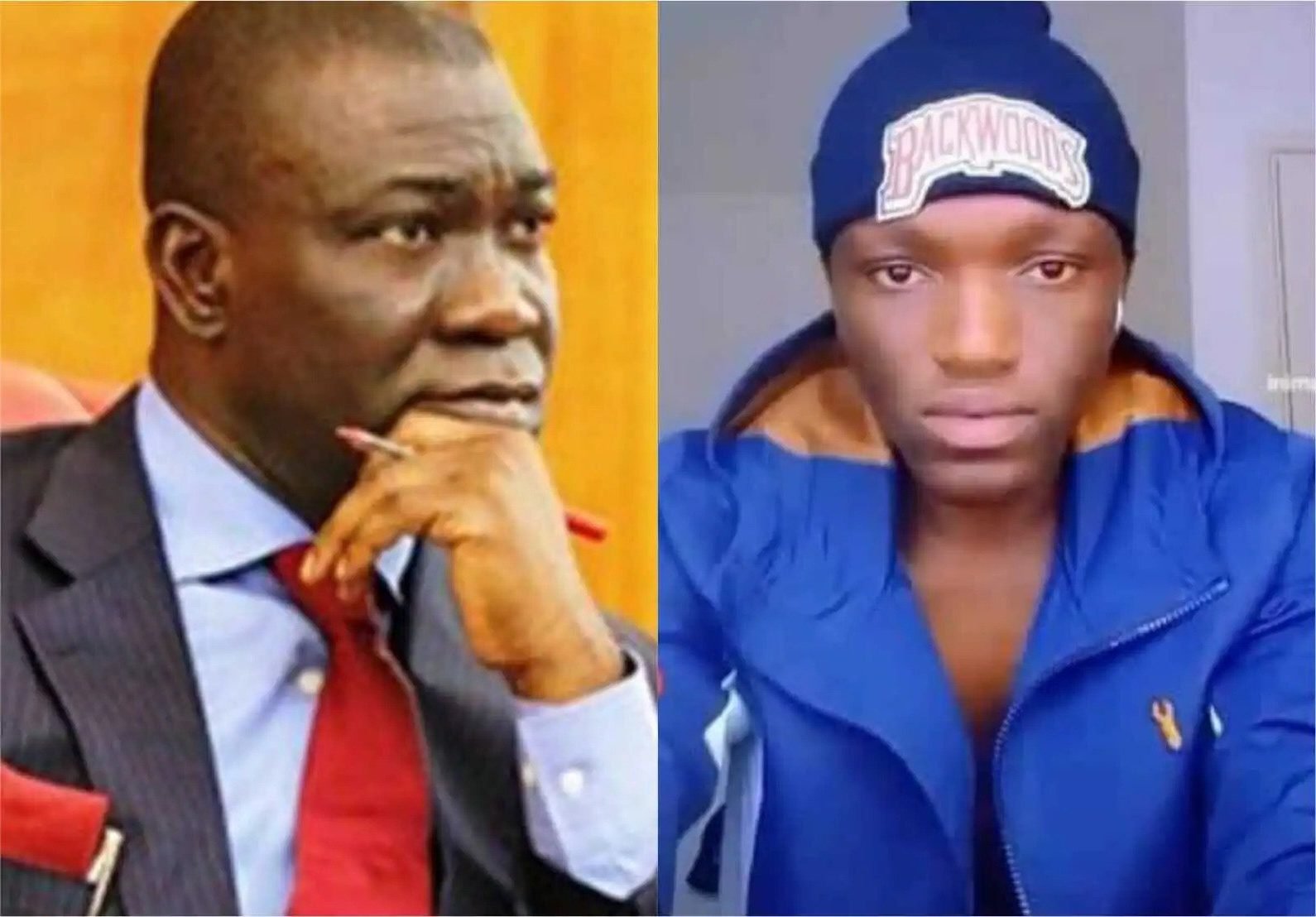
The United Kingdom has refused Nigeria’s bid to have Ike Ekweremadu, the former Deputy President of the Nigerian Senate, transferred back to Nigeria to serve the remainder of his prison sentence. Ekweremadu is serving nine years and eight months in a UK prison after being convicted in 2023 of conspiring to traffic a young man’s kidney - a case that made global headlines and marked a landmark organ-trafficking conviction under UK law. - The Guardian
What Happened: Nigeria’s Request and the UK’s Response
Earlier this month, a high-level Nigerian delegation led by Foreign Minister Yusuf Tuggar and Attorney General Lateef Fagbemi met officials at the UK’s Ministry of Justice to ask that the British government transfer Ekweremadu to a Nigerian prison, so he could complete his sentence on home soil. - TheCable
But according to UK sources, the Ministry of Justice rejected the request. British officials told the Nigerian delegation that they were not convinced Nigeria could guarantee that Ekweremadu would continue serving his sentence if repatriated. - Telegraph
A spokesperson for the UK government declined to comment on individual prisoners but emphasized that "any prisoner transfer is at our discretion, following a careful assessment of whether it would be in the interests of justice." - Independent Newspaper Nigeria
Also cited was a strong principle: “The UK will not tolerate modern slavery and any offender will face the full force of UK law.” As a result of the rejection, Ekweremadu will remain in UK custody until he completes his sentence.
The Conviction: Why Ekweremadu Was Imprisoned
Ekweremadu’s conviction stemmed from a shocking case. In 2023, following a lengthy Old Bailey trial, he, his wife Beatrice, and Nigerian-born doctor Obinna Obeta were found guilty of conspiring to bring a 21-year-old man from Lagos to London under false pretences for the purpose of harvesting his kidney.
The plan, prosecutors said, was to transplant the kidney into the couple’s daughter, Sonia, at a private NHS facility. During sentencing, Justice Jeremy Johnson condemned the trio, calling their scheme part of a “despicable trade” in human organs. He also described the harvesting of organs as “a form of slavery,” saying it treated human beings like commodities.
Ekweremadu was identified by the judge as “the driving force” behind the trafficking plot and was convicted under the UK Modern Slavery Act, marking one of the first major organ trafficking prosecutions under that law.
His wife Beatrice was sentenced to four years and six months, with half of that to be spent in custody. Meanwhile, Dr. Obeta was handed a 10-year term. Beatrice was released earlier this year and has since returned to Nigeria. - Independent Newspaper Nigeria
Why the UK Said No to the Transfer
Officials in London reportedly declined Nigeria’s request because they were not satisfied there would be any mechanism ensuring Ekweremadu’s sentence would be fully served if he were deported. The concern was more than bureaucratic - it was about trust in Nigeria’s justice system and whether once transferred, the former senator might benefit from early release or political influence.
By rejecting the transfer, the UK sent a clear message that prisoner transfers must align with the “interests of justice”, rather than serving purely diplomatic or political ends. The cited “modern slavery” comment underscores the seriousness with which UK authorities view organ trafficking, treating it as an aggravated crime rather than simply a medical or immigration issue.
Political and Diplomatic Fallout in Nigeria
The UK’s rejection has sparked frustration among some Nigerian officials. Some critics argue the decision could strain diplomatic ties with Britain, particularly since the delegation that made the request included the Attorney General of the Federation and other senior figures.
Within Nigeria, opinions are divided. Supporters of Ekweremadu argue that bringing him home would allow him to serve time closer to family and under familiar systems. But opponents stress that the organ-trafficking conviction is so serious that he should complete his term without question - a stance echoed, in part, by British authorities.
Reactions from Legal and Human Rights Observers
Legal experts say the UK’s refusal is consistent with its policy that prisoner transfers require rigorous guarantees to protect the integrity of sentencing. Without clear, enforceable commitments from Nigeria, British judges and justice officials are unlikely to approve repatriation.
Human rights advocates welcomed the decision. They argue that allowing Ekweremadu’s transfer without firm assurances could undermine the significance of his conviction and the broader fight against modern slavery and organ exploitation.
What Happens Next
With the rejection now public, diplomatic maneuvering is expected to continue. Nigeria could seek further reassurances or formal agreements on how Ekweremadu’s sentence would be administered if transferred in the future. But until then, he remains in UK custody.
Separately, there is renewed scrutiny around prisoner-transfer agreements more broadly - especially for other high-profile Nigerians jailed overseas. Observers will be watching whether this case sets a precedent.
The Broader Implications
The Ekweremadu saga offers a striking example of how transnational crime, politics, and diplomacy can collide. It’s not merely about one man’s fate - it’s a test of international cooperation on justice, human rights, and the rule of law.
For Nigeria, the refusal could be a diplomatic blow. It raises uncomfortable questions about how the country is perceived abroad, particularly in handling serious crimes committed by its elite. For the UK, it underscores a commitment to uphold the rule of law at home - even when faced with high-profile diplomatic pressure.