UK Bribery Trial of Ex-Nigerian Oil Minister Diezani Alison-Madueke: Defence Claims Reimbursement, Spotlight on Global Corruption
Former Nigerian petroleum minister Diezani Alison-Madueke denies bribery charges at Southwark Crown Court, saying luxury perks were reimbursed, not illicit gains. Explore the defence’s argument, prosecution’s evidence, and wider implications for anti-corruption efforts.
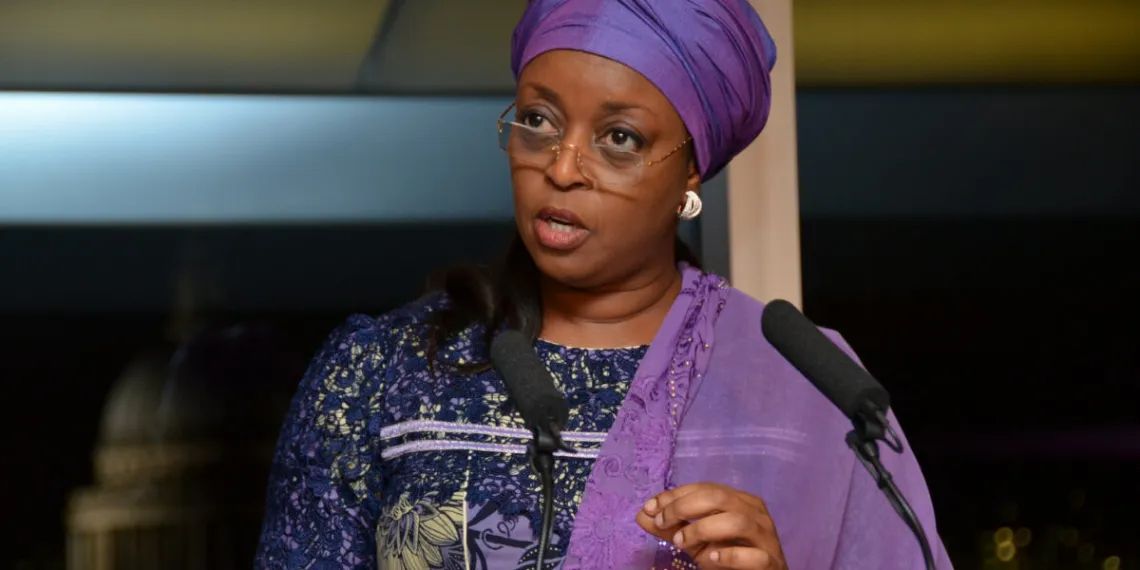
A high-profile corruption trial in London is testing the boundaries of global accountability as former Nigerian petroleum minister Diezani Alison-Madueke rejects allegations that she personally took bribes from industry insiders in exchange for influence over lucrative oil and gas contracts. The case, now underway at Southwark Crown Court, has drawn international attention because it involves alleged misuse of state power, luxury perks paid for by businessmen, and complex links between politics and oil wealth. (lse.co.uk)
Alison-Madueke, 65, served as Nigeria’s minister of petroleum resources from 2010 to 2015 under then-President Goodluck Jonathan and was once president of the Organization of the Petroleum Exporting Countries (OPEC). In London, she has pleaded not guilty to five counts of accepting bribes and one count of conspiracy to commit bribery, arguing that she did not request or receive any financial advantage from industry figures.
Defence: Reimbursement, Not Bribes
At the heart of the defence’s case is a claim that all expenses incurred on Alison-Madueke’s behalf were either repaid or legitimately related to official duties - not illicit benefits that personally enriched her. Her senior counsel, Jonathan Laidlaw KC, told jurors that certain costs for properties and luxury goods in the U.K. were paid by third parties only because Nigerian ministers are prohibited from holding bank accounts abroad, necessitating alternative arrangements.
Laidlaw argued that the arrangements were misunderstood and that expenses were reimbursed in Nigeria, either personally by the former minister or through government channels for official business. He challenged the prosecution’s narrative by characterizing Alison-Madueke as merely a “rubber stamp” for decisions taken by civil servants at the Nigerian National Petroleum Corporation (NNPC) and other state entities, rather than an active beneficiary of corrupt schemes. (Reuters)
The defence has also emphasized procedural fairness, noting that other individuals alleged to have been involved in the bribery scheme - including wealthy industry figures - have not been charged or extradited to face justice in the United Kingdom.
Prosecution: A ‘Life of Luxury’ Paid by Oil Interests
In contrast, UK prosecutors paint a starkly different picture. They allege that Alison Madueke enjoyed a lavish lifestyle in the United Kingdom funded by oil executives and businessmen seeking favourable treatment from Nigeria’s government. Among the perks detailed in court:
• More than £2 million spent at Harrods and other luxury retailers on goods for her benefit.
• Use of high-end properties in central London and Buckinghamshire, with millions spent on renovations. (British Brief)
• Provision of chauffeur-driven vehicles, private jets, and domestic staff salaries covered by industry figures. (The Street Journal)
• Alleged payments of approximately £100,000 in cash and other benefits such as luxury furniture and high-end household items. (Sahara Reporters)
Prosecutors have argued that these benefits were far more than tokens of friendship and instead formed part of a structured effort to induce influence over the awarding and retention of multi-million-pound contracts with Nigeria’s state oil company and related entities. (allAfrica.com)
Complex Evidence and Legal Challenges
The trial has exposed legal complexities, among them missing records that might have shown reimbursements for expenses in Nigeria, a point the defence has highlighted as prejudicial. Laidlaw told the court that records from her Abuja residence that might have supported the defence’s position have disappeared, placing Alison-Madueke at a disadvantage.
Additionally, the prosecution’s decision to focus on benefits provided abroad - in London - rather than strictly within Nigerian jurisdiction is a reminder of how international corruption cases often rely on foreign legal systems when alleged conduct has cross-border elements. (APAnews)
Co-defendants and Wider Allegations
Alison-Madueke is not alone at the defence table. Oil industry executive Olatimbo Ayinde, 54, is charged with bribery relating to Alison-Madueke and a separate count of bribing a foreign public official, and her brother, former archbishop Doye Agama, 69, faces a conspiracy to commit bribery charge. Both deny the allegations against them.
Notably, several high-profile businessmen named in public reporting - including figures linked to Tenka Limited and other companies that allegedly funded luxury benefits - are not on trial in the UK, prompting questions about selective prosecution and the challenges of securing extraditions of foreign nationals.
Broader Implications for Anti-Corruption
The trial underscores persistent global concerns about corruption in Nigeria’s oil sector, which despite being Africa’s largest, has been plagued by allegations of mismanagement, fraud, and opaque deal-making that undermine public trust and economic development.
Analysts say the case could have far-reaching implications. If the prosecution secures convictions based on the acceptance of perks as bribes, it may signal a growing willingness of foreign courts to hold public officials accountable for corruption that has international dimensions. However, if the defence succeeds in persuading jurors that similar expenses were lawful reimbursements or official costs, it could influence how corruption charges are framed in cross-border contexts.
Trial Continues
The case, one of the most significant UK corruption trials involving a former Nigerian official, is expected to continue for several weeks as jurors weigh conflicting narratives about power, influence, and personal gain. The outcome may not only impact the individuals involved but also shape debates on accountability, governance, and the role of international legal systems in fighting corruption