UK and EU Agree Draft Deal to Scrap Brexit Red Tape, Opening New Chapter in Post-Brexit Trade Relations
The UK and EU have agreed a draft deal to remove post-Brexit checks on food and agricultural exports, easing trade barriers and potentially delivering £5.1 billion in annual economic benefits.
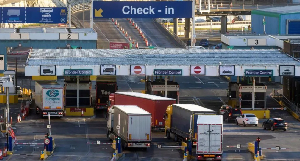
The United Kingdom and the European Union have agreed on a draft agreement to remove significant post-Brexit trade barriers affecting food, agricultural products and other goods, marking a major development in efforts to rebuild economic relations between both sides.
The proposed agreement, which centres on a common sanitary and phytosanitary (SPS) framework, is expected to eliminate much of the paperwork, border inspections and certification requirements introduced after Britain left the EU's single market.
The 200-page draft agreement has been circulated among EU member states for consideration ahead of a meeting of European ambassadors in Brussels. It is expected to form a central part of discussions at the UK-EU summit scheduled for November 20, 2026.
According to reporting by the BBC, the agreement represents the most significant achievement so far under the UK's Brexit reset initiative, which aims to improve trade relations without formally reversing Britain's departure from the European Union.
The British government estimates that the proposed arrangement could eventually deliver approximately £5.1 billion in annual economic benefits.
Brexit Trade Barriers Targeted by New Agreement
Since Britain formally left the European Union's single market, businesses trading agricultural and food products across the English Channel have faced additional documentation, inspections and compliance costs.
The new agreement seeks to remove many of these requirements by establishing a common regulatory framework for food safety, animal health and plant health standards.
Under the proposed arrangement, exporters would no longer routinely require expensive export health certificates, phytosanitary certificates and certain inspection documentation when moving eligible products between Britain and EU countries.
Additional charges, including some port fees, sampling fees and inspection costs, are also expected to be eliminated.
The changes could make it easier for British producers to export fresh sausages, burgers, shellfish and seed potatoes to European markets.
The agreement is also expected to benefit businesses importing agricultural products into Britain, while allowing smaller retailers to purchase goods from European suppliers without facing the administrative expenses that have made smaller shipments increasingly difficult.
According to the BBC's reporting, the deal will also allow British pets to travel to the EU using pet passports, reducing some of the complications associated with post-Brexit travel arrangements.
British Food Exporters Stand to Benefit
The agreement comes amid growing concerns about the impact of Brexit-related trade restrictions on Britain's agricultural and food industries.
British food exporters have faced additional costs and administrative difficulties since the introduction of new border requirements.
A report cited by The Guardian indicated that British food exports to the EU had fallen by approximately one-third since 2019.
Products such as eggs, chicken and potato-based goods have been particularly affected.
Small and medium-sized food businesses have also struggled with certification costs because the expenses associated with exporting smaller quantities can make cross-border transactions commercially unattractive.
For example, a small British cheesemaker exporting limited quantities to France or Germany may face administrative costs that significantly reduce the profitability of the transaction.
By removing several of these requirements, the proposed SPS agreement could restore opportunities for smaller businesses and improve access to European consumers.
The British Chambers of Commerce has also called for a reassessment of the country's trading relationship with Europe, arguing that unnecessary paperwork and delays continue to restrict business growth.
In a survey of approximately 1,500 businesses, more than half of exporting firms identified customs paperwork and delays as barriers they wanted removed.
The organisation has urged the government to explore practical options for improving trade relations while involving businesses in future negotiations.
Britain Must Align with EU Regulations
Despite the expected benefits, the agreement comes with an important condition: Britain will have to maintain alignment with relevant European Union food safety and agricultural standards.
This arrangement, known as dynamic alignment, means the UK will need to adapt its domestic regulations when the EU introduces relevant changes to its rules.
Although Britain has maintained many of the regulatory standards inherited from its EU membership, differences have emerged in certain areas, including agricultural chemicals and plant breeding.
Under the new framework, the UK will need to ensure that its standards remain compatible with the agreed European regulatory system.
This requirement has reopened an important debate surrounding Brexit and Britain's ability to determine its own regulatory policies.
Critics of closer EU alignment argue that it could limit Britain's freedom to introduce independent regulations.
Supporters, however, maintain that regulatory cooperation is necessary to reduce trade barriers and improve access to Britain's largest nearby export market.
The agreement therefore reflects an attempt to balance regulatory independence with the practical economic benefits of closer cooperation.
UK-EU Brexit Reset Extends Beyond Food Trade
The food and agricultural agreement are not the only area where Britain and the European Union are seeking closer cooperation.
Draft arrangements covering emissions trading and a youth travel and work scheme have also been circulated ahead of the November summit.
The proposed emissions trading agreement seeks to connect the UK's carbon market with the EU's system.
Such an arrangement could reduce additional costs for British businesses exporting products into Europe under the EU's Carbon Border Adjustment Mechanism.
Meanwhile, negotiations over a youth experience scheme are intended to create additional opportunities for young people from Britain and EU countries to travel, study and work across borders.
However, some details remain unresolved, particularly the number of participants and arrangements concerning university tuition fees for European students studying in Britain.
The discussions also include wider cooperation on defence, law enforcement databases and Britain's involvement in certain European economic and security initiatives.
The November 20 summit in Brussels is expected to provide an opportunity for British Prime Minister Andy Burnham, European Commission President Ursula von der Leyen and European Council President António Costa to review progress and agree on the next steps.
Implementation Could Be Delayed Until 2028
Despite the agreement on the draft text, British businesses may have to wait before experiencing its full benefits.
According to The Guardian's November 3 report, implementation of the SPS agreement is now expected in the first quarter of 2028, later than the previously anticipated 2027 timetable.
The delay is connected to the UK's requirement to align relevant domestic legislation with European standards and complete the necessary legal and administrative processes.
Some products may also require additional transitional arrangements, particularly agricultural goods affected by differences in approved chemicals and production standards.
This means that although the political agreement has been settled, the removal of border checks will not happen immediately.
Businesses will need to prepare for the new regulatory framework while governments complete the remaining implementation procedures.
Conclusion
The UK-EU draft agreement represents a significant step towards reducing the economic complications associated with Brexit.
By targeting unnecessary paperwork, certification costs and border inspections, the proposed arrangement could improve opportunities for British exporters, European suppliers, food retailers and agricultural businesses.
However, the requirement for Britain to maintain regulatory alignment with the EU highlights the continuing complexities of balancing national independence with economic cooperation.
With the November 20 summit approaching, attention will turn to whether both sides can translate the draft agreement into practical arrangements that deliver measurable benefits.
For British businesses that have struggled with post-Brexit trade restrictions, the proposed deal offers the prospect of easier access to European markets. Its eventual success, however, will depend on effective implementation and the ability of both sides to maintain a stable and predictable trading relationship. (BBC)