Uganda at a Crossroads: Museveni’s Age, Succession Drama, And Impact on the Nation
Explore President Yoweri Museveni’s enduring rule, rising opposition from Bobi Wine, succession uncertainties, and the broader implications for Uganda’s democracy, economic goals, and African governance - with expert insights and source links.
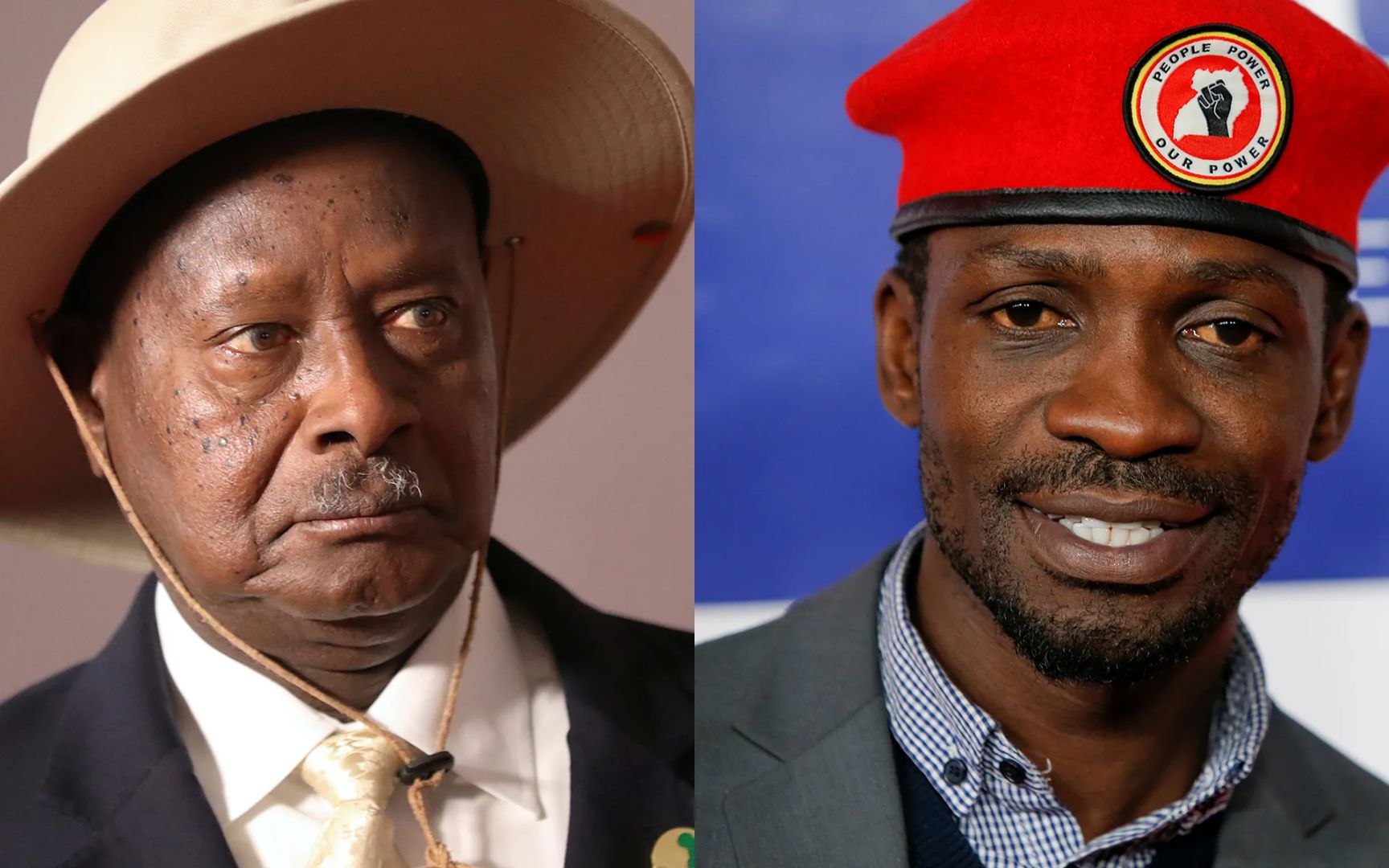
Uganda finds itself at a defining political moment in early 2026 as President Yoweri Museveni, at 81 years old, seeks what would be his seventh term in office. While Museveni continues to assert his readiness to lead, critics argue his prolonged rule has entrenched authoritarian patterns, blurred democratic norms, and sparked concerns about succession, economic priorities, and regional stability. These dynamics matter not just for Uganda, but for the African continent and global perception of governance in Africa. (TimesLIVE)
Museveni: Stability, Experience, and Age
Museveni has guided Uganda since coming to power through a rebellion in 1986, earning praise early in his tenure for stabilizing a nation emerging from years of internal conflict. Foreign investment deals with China, the United Kingdom, and the United Arab Emirates reflect his continuing focus on economic development, and he has publicly promoted a vision of Uganda as a middle-income country by 2040. (Capital FM)
His supporters view him as a seasoned leader capable of managing the complexities of governance in a region marked by insecurity. Museveni often underscores his vigor despite his age, performing public displays of fitness during lockdowns and reassuring citizens about his health history.
Yet this emphasis on personal stamina obscures deeper questions about governance structures and political renewal in Uganda.
Opposition, Youth Politics, and Democratic Strains
At the forefront of the opposition is Bobi Wine (Robert Kyagulanyi Ssentamu), a 43-year-old musician-turned-politician who has captured the energy of a youthful population frustrated with high unemployment, corruption, and limited political space. His message resonates especially with urban youth, who make up the majority of Uganda’s population and have known no president other than Museveni. (Reuters)
Wine’s campaign has faced violence, arrests, and heavy policing, underscoring a broader climate of repression described by the U.N. Human Rights Office as “systemic,” involving intimidation of opposition figures and curtailment of political freedoms leading up to the 2026 polls. (AP News)
As Wine campaigns in protective gear amid tear gas and live fire, he has invoked historical lessons from across Africa, framing his challenge as part of a generational shift away from entrenched autocracies. (The Guardian)
Succession and the Shadow of Dynastic Politics
One of the most debated issues in Ugandan politics today is succession planning. Critics argue that instead of fostering democratic renewal, Museveni has cultivated an inner circle of family members in powerful positions - from his wife serving as education minister to his son Gen. Muhoozi Kainerugaba, who commands the army and is widely speculated to be Museveni’s chosen successor.
The potential for a military-backed hereditary dynasty is deeply troubling for many Ugandans and observers, as it blurs the separation between state institutions and family interests, undermining meritocratic governance and democratic legitimacy. Should Muhoozi succeed his father, his unpredictable public statements and controversial military approach could jeopardize the very legacy of stability his father has long claimed.
National Implications: Democracy, Stability, and Youth Aspirations
Domestically, Museveni’s prolonged rule and the specter of dynastic succession pose several challenges:
• Democratic legitimacy: The repeated amendment of constitutional term and age limits to facilitate Museveni’s continued rule erodes faith in institutional processes and electoral fairness.
• Youth disengagement: With more than 70 % of Ugandans under the age of 30, many youths feel alienated from a system that appears to recycle the same leadership generation despite widespread demands for change.
• Economic frustration: While foreign investment aims to boost growth, unemployment and palpable inequality persist, especially among youth, making political reform tied to economic opportunity critical. (Devdiscourse)
• Security concerns: The heavy deployment of security forces, including soldiers in Kampala ahead of elections, signals a government reliant on coercion rather than consensus, further thinning the space for peaceful political expression.
African Continental Implications
Uganda’s struggle is emblematic of broader patterns across Africa, where long-serving leaders and weakly institutionalized successions are common. The Bobi Wine vs. Museveni dynamic encapsulates a continental tension: between elder statesmen who tout stability and younger populations clamouring for representation and reform. (MyJoyOnline)
Several African states have witnessed similar debates, with aging leaders facing pressure from youthful electorates and opposition movements. The outcome in Uganda could therefore influence political discourse across the continent, inspiring reformists or reinforcing the status quo elsewhere.
If Museveni secures another term without clear succession mechanisms, it could embolden other leaders to extend their rule through constitutional tinkering - a setback for Africa’s democratic credentials. Conversely, if opposition gains ground - even symbolically - it could energize similar movements seeking accountability and generational change in other nations.
Global Perception: Democracy, Human Rights, and Investment
Internationally, Uganda’s political trajectory affects perceptions of governance, stability, and investment risk. Museveni’s alignment with Western security interests and cooperation on refugee hosting have historically secured global partnerships, yet concerns about human rights abuses and electoral fairness complicate Uganda’s image.
Foreign investors prioritize predictability and the rule of law. Persistent political repression and the appearance of hereditary politics raise caution flags that could temper economic engagement, especially among Western democracies sensitive to governance standards.
Moreover, global audiences increasingly view Africa through the lens of democratic resilience and human rights. Uganda’s 2026 election - whether free, fair, or flawed - could resonate far beyond its borders as a litmus test for the continent’s political evolution.
Lessons for Uganda’s Future
Uganda stands at a crossroads. Its leaders must reckon with the lessons of decades in power:
1. Institutional strength over personalism: Building robust, transparent institutions is essential to sustainable governance and public trust.
2. Youth inclusion: Addressing youth aspirations through meaningful political and economic reforms is fundamental to long-term stability.
3. Succession clarity: Transparent and democratic processes for leadership renewal minimize conflict and enhance legitimacy.
4. Human rights respect: Upholding freedoms of expression and assembly signals a commitment to democratic principles attractive to citizens and investors alike.
Conclusion
President Museveni’s ongoing bid for a new term reflects his confidence in personal leadership, yet it also highlights profound national and continental questions about power transition, democracy, and generational trust. Whether Uganda emerges with reinforced democratic norms or entrenched authoritarianism will have significant implications for Africa’s political landscape and how the world perceives leadership and governance on the continent.