UEFA Gives Infantino November 2 Deadline to Release Key FIFA Documents
UEFA has given FIFA president Gianni Infantino until November 2, 2026, to answer 42 governance questions and provide documents on an abandoned $4.2 billion World Cup investment plan and other controversies.
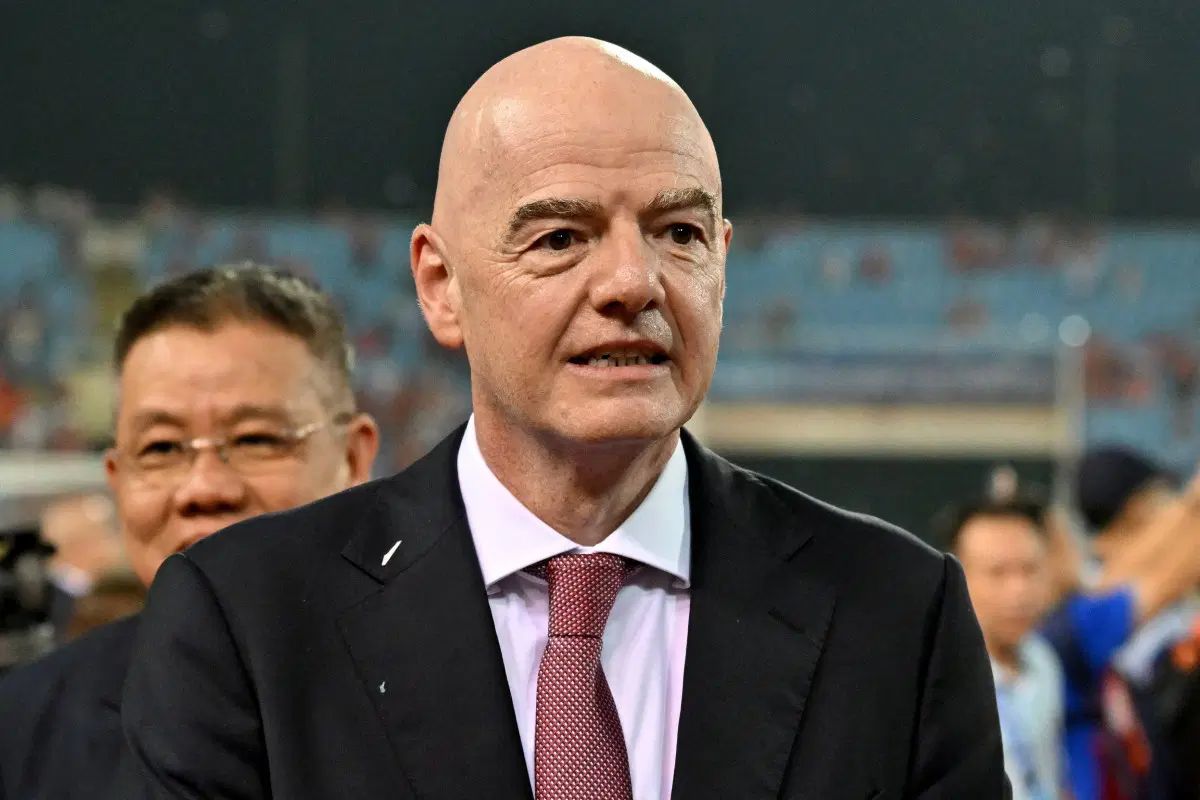
UEFA has given FIFA president Gianni Infantino until November 2 to provide key documents and detailed explanations concerning the organisation's governance, financial decisions and controversial World Cup investment proposal, intensifying a dispute over transparency at the highest level of international football.
In a formal letter sent on Monday, October 19, UEFA general secretary Theodore Theodoridis demanded substantive written responses to 42 questions raised by European representatives on the FIFA Council. The request covers the abandoned FIFA Forward Enterprise (FFE) project and several other contentious decisions involving the world football governing body's leadership.
The deadline comes ahead of the FIFA presidential election scheduled for March 18, 2027, in Rabat, Morocco, increasing the significance of the unresolved questions as football federations consider the organisation's leadership and future direction.
UEFA wants FIFA to provide supporting documentation alongside its answers, arguing that previous explanations from Infantino have not adequately addressed the concerns raised by council members. (Reuters)
The dispute reflects growing divisions between UEFA, European football's governing body, and FIFA, which oversees international football and the men's and women's World Cups.
At the centre of the disagreement is a fundamental question: how should FIFA make major commercial and governance decisions, and what information should be disclosed to its elected representatives?
Abandoned $4.2 billion investment plan at the centre of dispute
The most prominent issue concerns FIFA Forward Enterprise, a proposal developed to manage commercial interests linked to FIFA competitions, including the World Cup.
The plan reportedly envisaged creating a new commercial entity and selling a minority stake of around 20 per cent to private investors. The proposed arrangement was valued at approximately $4.2 billion and was intended to generate additional resources for FIFA's 211 member associations.
However, the proposal triggered strong opposition among European football officials, who questioned how it was developed, why the FIFA Council was not adequately consulted and how prospective investors were selected.
Infantino withdrew the proposal in August 2026 following the backlash. At a FIFA Council meeting in Zurich last week, he apologised for mistakes in the communication and consultation process, while maintaining that the initiative had been a proposal rather than a completed transaction.
His apology did not resolve the concerns of several European officials.
Theodoridis argued in his letter that withdrawing the plan and promising possible governance reforms did not explain how the decisions had been reached or why the council had not been involved at the appropriate stage.
UEFA is therefore seeking documentation that could clarify the project's origins, valuation, proposed ownership structure and the roles played by FIFA officials, advisers and potential investors.
Questions about investor selection and potential conflicts of interest
Another important aspect concerns the proposed involvement of Thrive Capital, an investment firm founded by Joshua Kushner, whose brother Jared Kushner is the son-in-law of US President Donald Trump.
UEFA wants explanations about the selection process, the proposed investor's position and how potential conflicts of interest were assessed.
The questions are particularly sensitive because Infantino has maintained a visible relationship with Trump, while FIFA awarded the US president its inaugural FIFA Peace Prize during the 2026 World Cup draw.
UEFA is seeking information about the circumstances surrounding the award and the organisation's decision-making processes.
These questions do not, by themselves, establish wrongdoing. Rather, they form part of UEFA's demand for documentation that would allow its representatives to assess whether FIFA's procedures were followed and whether its governance safeguards were sufficient.
The controversy illustrates the importance of transparency when an international sports organisation considers transactions involving billions of dollars, private investors and the commercial rights to its flagship competitions.
FIFA Peace Prize and Balogun disciplinary case under scrutiny
The investment plan is not the only issue covered by UEFA's letter.
European representatives are also seeking documents concerning the disciplinary case involving United States forward Folarin Balogun during the 2026 World Cup. FIFA suspended the player's automatic one-match ban following his red card, prompting questions about the process behind the decision.
UEFA wants relevant records, including communications concerning the disciplinary decision, to establish how the matter was handled.
Other questions relate to payments made to singer Marc Anthony, Infantino's remuneration, arrangements surrounding the World Cup final and the independence of FIFA's judicial, ethics and electoral committees.
The organisation is also seeking clarification on the independence of the electoral process ahead of the presidential contest.
UEFA has requested detailed written answers and supporting documents across these issues, rather than accepting general assurances about future reforms. (Al Jazeera)
The breadth of the questions indicates that the dispute has expanded beyond one abandoned commercial proposal into a wider examination of FIFA's decision-making and accountability.
November 2 deadline puts FIFA under pressure
The timing of UEFA's demand is significant because the next FIFA Council meeting is scheduled for December 16 in Doha, Qatar, after the November 18 deadline for presidential candidates to declare their intention to stand.
UEFA argues that its members need the requested information before those deadlines so that football associations can evaluate the situation and make informed decisions about FIFA's leadership.
Theodoridis said that any refusal to disclose requested documents should be accompanied by an individual explanation identifying the specific grounds for withholding the information.
The deadline also gives European football officials an opportunity to assess whether FIFA's response addresses their concerns before the election process advances.
UEFA's questions also include concerns about the independence and perceived impartiality of FIFA's electoral process. (The Independent)
UEFA has previously indicated that it wants to identify a credible alternative candidate to challenge Infantino, who has led FIFA since 2016 and is seeking another term.
Infantino retains support from other football federations
Despite the criticism from several European officials, Infantino continues to enjoy support from influential figures in other football confederations.
Supporters point to expanded development funding for national associations and the expansion of the men's World Cup from 32 to 48 teams as evidence of his administration's efforts to broaden football's global reach.
The disagreement therefore reflects competing perspectives on FIFA's leadership: supporters emphasise investment and development, while critics insist that these achievements cannot replace transparency and accountability.
FIFA has not publicly provided a comprehensive response to UEFA's latest letter. Its lawyers have previously argued that UEFA's pursuit of documents relating to the investment proposal amounts to harassment, a claim UEFA disputes through its demand for disclosure.
The outcome of the November 2 deadline could influence relations between the two organisations and the debate surrounding the 2027 presidential election.
Conclusion
UEFA's demand for documents from Infantino marks a significant escalation in the dispute over FIFA's governance. The November 2 deadline gives the world governing body two weeks to address 42 questions covering its abandoned $4.2 billion investment proposal, disciplinary decisions, financial arrangements and electoral safeguards.
Whether FIFA provides the requested documentation, offers explanations for withholding particular records or leaves important questions unresolved will determine the next stage of the dispute.
For football stakeholders worldwide, the central issue is whether FIFA can demonstrate that major commercial and administrative decisions are made through transparent processes with appropriate oversight.
With the presidential election approaching, the response could shape not only Infantino's campaign but also the wider debate about accountability in international football.