UAE Contained Fire Near Dubai Airport After Suspected Drone Attack
Authorities in the United Arab Emirates contained a major fire near Dubai International Airport following a suspected drone attack. The incident raises serious concerns about regional security, aviation safety, and the wider Middle East conflict.
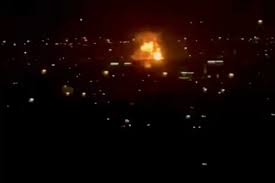
Authorities in the United Arab Emirates (UAE) have confirmed that emergency services successfully contained a fire that broke out near Dubai International Airport, following what officials described as a suspected drone attack. The incident triggered a temporary disruption around one of the world’s busiest aviation hubs and heightened concerns about the expanding security risks linked to the escalating conflict in the Middle East.
The attack, which occurred amid rising tensions across the region, has raised new questions about the vulnerability of critical infrastructure - including airports and energy facilities - to unmanned aerial systems.
Although officials have stated that the fire was quickly brought under control and airport operations largely continued, the event underscores the growing threat posed by drone warfare in modern conflicts.
The Incident Near Dubai International Airport
According to authorities, the fire erupted in an area close to Dubai International Airport, a key global transit hub that handles tens of millions of passengers annually.
Emergency response teams, including firefighters and security personnel, were quickly deployed to the scene to contain the blaze. Officials reported that the fire was extinguished before it could spread to critical aviation infrastructure.
Preliminary investigations suggested that the blaze may have been triggered by a drone strike targeting a nearby facility or open area close to the airport perimeter. Authorities launched an immediate investigation to determine the origin of the drone and whether the incident was linked to ongoing regional tensions.
Dubai officials emphasized that the airport itself was not directly hit and that flight operations were largely unaffected after emergency procedures were activated.
The rapid containment of the fire prevented what could have become a major disruption to international air travel.
A Region on Edge
The suspected drone attack comes at a time when the Middle East is experiencing heightened tensions due to ongoing military confrontations involving Iran, Israel, and allied groups across the region.
In recent weeks, drone and missile attacks have increasingly been used by various actors to target military installations, energy infrastructure, and transportation networks.
The UAE has previously faced similar threats. In January 2022, drone and missile strikes launched by Yemen’s Houthi rebels targeted facilities in Abu Dhabi, killing three people and damaging fuel storage sites. The attack was widely seen as a warning that Gulf nations were becoming increasingly vulnerable to asymmetric warfare.
Since then, the UAE has significantly upgraded its air defense systems and security monitoring capabilities to counter potential drone threats. (reuters.com)
The latest incident near Dubai suggests that despite these efforts, the threat of drone attacks remains a persistent challenge.
Why Airports Are Strategic Targets
Modern airports are among the most critical pieces of infrastructure in the global economy.
Dubai International Airport plays a vital role in global travel and logistics. The airport serves as a major hub for international airlines and connects hundreds of destinations worldwide. (bbc.com)
Targeting an airport, whether through missiles, drones, or cyberattacks, can have far-reaching consequences, including disruption of international air travel, economic losses from halted tourism and trade, panic among travelers and investors, and damage to national reputations for safety and stability.
Even minor disruptions at a global hub like Dubai can ripple through international aviation networks.
For that reason, airports have become high-value targets in modern conflicts.
The Growing Threat of Drone Warfare
The suspected drone attack near Dubai Airport reflects a broader global trend: the increasing use of unmanned aerial vehicles (UAVs) in warfare.
Drones are attractive to militant groups and non-state actors for several reasons:
- Low Cost: Drones are significantly cheaper than conventional missiles or aircraft.
- Ease of Deployment: They can be launched from remote or concealed locations.
- Precision Targeting: Modern drones can carry cameras and GPS-guided payloads.
- Psychological Impact: Even small attacks can cause significant panic and disruption.
Experts warn that as drone technology becomes more accessible, attacks on civilian infrastructure may become more frequent.
This has prompted governments worldwide to invest heavily in counter-drone technologies, including radar systems, electronic jamming, and anti-drone missiles.
UAE’s Rapid Emergency Response
One of the most notable aspects of the Dubai incident was the speed of the emergency response. Firefighters and security forces reportedly arrived within minutes, quickly isolating the affected area and preventing the blaze from spreading.
Authorities also activated security protocols designed to protect airport operations and ensure passenger safety.
The swift containment of the fire helped reassure residents, travelers, and international partners that the UAE maintains strong emergency management capabilities.
Dubai authorities emphasized that the safety of passengers and aviation operations remains a top priority.
Implications for Regional Security
The suspected drone strike near Dubai Airport could have significant implications for the wider region.
First, it highlights the expanding geographical reach of regional conflicts. Even countries not directly involved in hostilities can become targets or collateral victims of escalating tensions.
Second, the attack demonstrates the strategic vulnerability of civilian infrastructure in modern warfare.
Third, the incident may prompt Gulf countries to increase military coordination and intelligence sharing to counter emerging threats.
Security analysts believe the attack could accelerate efforts among Gulf Cooperation Council (GCC) states to strengthen joint air defense systems.
Economic and Aviation Implications
Dubai’s economy is heavily dependent on tourism, trade, and aviation.
Dubai International Airport is one of the busiest international airports in the world, handling tens of millions of passengers annually and serving as a major hub for global aviation networks.
Any attack or disruption, even a limited one, can raise concerns among airlines, travelers, and international investors.
Maintaining confidence in the safety of the airport and surrounding infrastructure will therefore remain a top priority for UAE authorities.
Lessons from the Incident
The Dubai drone incident offers several important lessons for governments and security planners.
First, critical infrastructure must be protected with multi-layered security systems capable of detecting and intercepting emerging threats.
Second, rapid emergency response capabilities are essential for minimizing damage and maintaining public confidence.
Third, regional cooperation is increasingly necessary to address security threats that transcend national borders.
Finally, the event underscores the growing reality that modern conflicts are no longer confined to traditional battlefields.
Conclusion
The containment of a fire near Dubai International Airport following a suspected drone attack highlights both the evolving nature of modern warfare and the resilience of the UAE’s emergency response systems.
While the swift response prevented a potentially serious disruption to one of the world’s busiest airports, the incident serves as a reminder of the increasing vulnerability of civilian infrastructure in an era of drone warfare.
As geopolitical tensions continue to rise across the Middle East, ensuring the security of critical transportation hubs like Dubai International Airport will remain a key priority for regional governments and the international community.