U.S. Reopens Venezuelan Airspace: A Turning Point for Travel, Diplomacy, and Energy Ties
President Trump orders the reopening of commercial airspace over Venezuela, signaling a sharp shift in U.S.-Venezuela relations that could reshape tourism, oil sector investments, and regional geopolitics. Discover the broader implications and travel industry response.
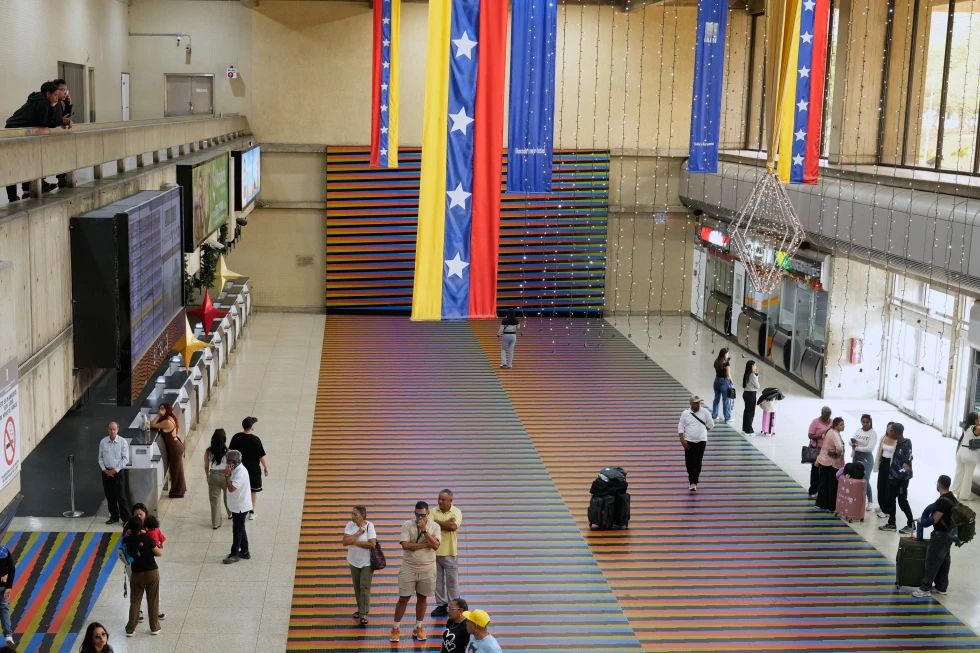
On January 29, 2026, U.S. President Donald Trump announced a dramatic shift in Washington’s approach to Venezuela, ordering the immediate reopening of commercial airspace over the South American nation - a strategic move that could have ripple effects across travel, diplomacy, and energy markets. (AP News)
The directive, delivered at a White House cabinet meeting, marks a stark contrast from previous U.S. policy, which for years restricted flights and warned airlines to avoid Venezuelan routes due to safety concerns under the late Nicolás Maduro’s government. (Inquirer.com)
A Break With Recent Policy
Direct commercial flights between the U.S. and Venezuela had been suspended since 2019, when the U.S. Department of Transportation banned American carriers from flying into Venezuelan airspace because of the deteriorating security situation.
In late 2025, amid escalating tensions and a surge in military operations in the region, Trump even proclaimed the airspace “closed in its entirety,” a statement that stirred legal debate about sovereignty and aviation law. (The Irish Times)
The latest order reverses all such restrictions. Trump told his cabinet he had just spoken with Venezuela’s acting president, Delcy Rodríguez - who assumed leadership after Maduro’s capture earlier this month during a U.S.-led military operation, and informed her that U.S. commercial airspace policy toward Venezuela was being reset.
“We’re going to be opening up all commercial airspace over Venezuela,” Trump said, adding that American citizens would soon be able to travel safely to the country.
Operational Implementation and Industry Response
Trump said he had instructed Transportation Secretary Sean Duffy and Pentagon officials to ensure that the reopening was implemented by the end of the day.
The Federal Aviation Administration (FAA), which previously issued warnings for pilots to exercise caution flying around Venezuelan airspace due to military activity, is expected to lift those advisories and issue new notices to airmen (NOTAMs) clearing the way for civilian flights. (Aviacionline)
The travel industry’s response has been cautiously optimistic. American Airlines, the U.S. carrier that last operated direct flights to Venezuela before the 2019 suspension, signaled its intention to resume service once federal authorities complete security assessments and grant necessary approvals. (Reuters)
“We have a more than 30-year history connecting Venezuelans to the U.S., and we are ready to renew that incredible relationship,” said American’s chief commercial officer.
Diplomacy and Security Considerations
While the reopening is billed as a normalization step in U.S.-Venezuelan relations, it comes amid a still complex security backdrop. The U.S. State Department continues to maintain a highest-level travel advisory against travel to Venezuela, citing risks that include wrongful detention and kidnapping, even as flights are being cleared to resume.
This apparent contradiction reflects the broader tension in U.S. policy: encouraging economic engagement while acknowledging persistent instability. The reopening also follows reports that the U.S. is taking early steps to reopen its embassy in Caracas, signaling deeper diplomatic engagement beyond aviation.
Energy and Economic Stakes
Beyond travel, the decision opens a potential gateway for U.S. oil companies to re-enter Venezuela’s vast energy sector. Trump noted that several major American energy firms were already on the ground conducting site assessments and selecting potential locations for future operations.
Venezuela holds some of the world’s largest proven oil reserves but has seen production decline steeply over years of underinvestment and infrastructure decay. Renewed foreign investment could help revive output, benefiting both Venezuelan revenues and U.S. energy interests - particularly in a volatile global oil market.
However, industry experts caution that huge capital and operational investments will be necessary to restore production to previous levels, and political uncertainty could deter some investors. (The Guardian)
Regional and Geopolitical Implications
The reopening of Venezuelan airspace is more than a regulatory change - it is a symbolic pivot that underscores Washington’s changing posture in the Western Hemisphere. For years, U.S.-Venezuela relations have been marked by mutual hostility, sanctions, and diplomatic rupture since 2019.
The move also has implications for regional geopolitics, as Venezuela has been a focal point of influence for global powers such as China and Russia. Renewed U.S. engagement - from civil aviation to energy cooperation - could shift the balance of influence in the region and reshape alliances.
Still, skeptics argue that the U.S. must balance economic interests with democratic values, particularly as Rodríguez’s interim government grapples with questions of legitimacy and human rights concerns. Some U.S. lawmakers have voiced concerns about engaging too closely with a leadership that emerged from Maduro’s inner circle. (The Washington Post)
Looking Ahead
As U.S. airlines prepare to return to Venezuelan skies, and diplomatic channels potentially reopen, the decision to lift airspace restrictions marks a major milestone in U.S.-Latin America relations. Whether this shift leads to sustained economic growth, improved safety for travelers, and broader geopolitical stability will be watched closely by policymakers, industry stakeholders, and citizens on both sides of the border.