U.S. Launches Christmas Night Airstrikes on ISIS in Nigeria; Nigerians and Africans Weigh Security, Sovereignty and Regional Impact
U.S. airstrikes hit ISIS targets in northwest Nigeria on Christmas night, raising security and sovereignty questions for Nigerians and Africa at large.
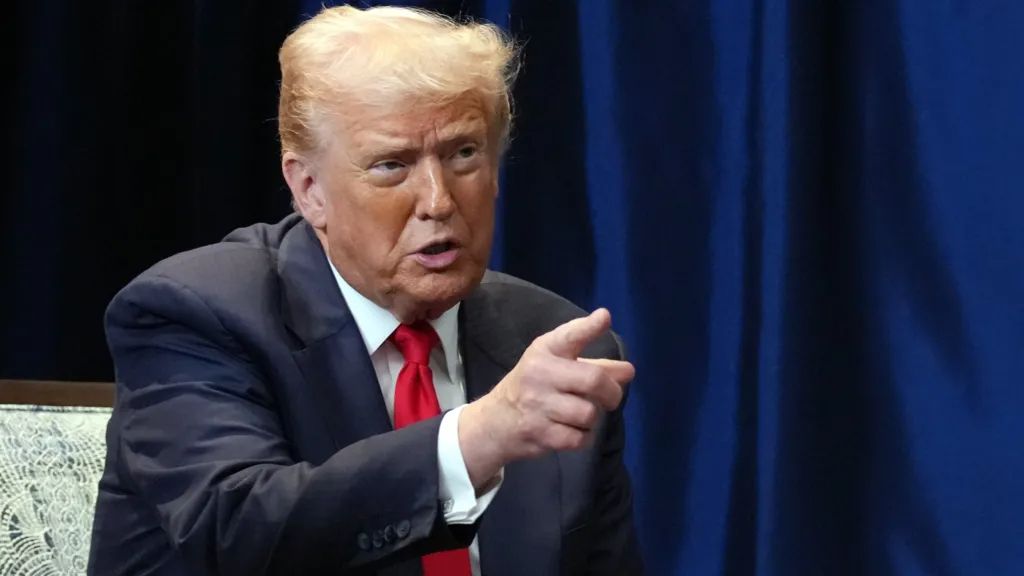
On Christmas night, 25 December 2025, the United States military carried out airstrikes against Islamic State (ISIS) militants in northwest Nigeria’s Sokoto State, marking a dramatic escalation in the international effort to counter violent extremism in West Africa. The action was announced publicly by U.S. President Donald Trump, who framed the operation as punishment for militants allegedly targeting Christians — a narrative that has sparked both praise and controversy. (Reuters)
According to official statements from the U.S. Africa Command (AFRICOM) and Trump’s social media post, the strikes were “powerful and deadly” and struck multiple militant positions in coordination with Nigerian authorities. Trump declared that the operation would send a “clear message” to extremist groups that “Radical Islamic Terrorism” will not be tolerated.
Nigeria’s Foreign Minister Yusuf Tuggar later described the strikes as part of a security cooperation framework, emphasizing that the joint action was aimed at countering terrorism generally rather than targeting specific religious communities. He noted that Nigeria provided intelligence support and that the operation adhered to international norms.
Context: Rising Terrorism and Religious Violence
The airstrikes came after months of escalating violence in northern Nigeria, where various extremist factions - including Islamic State West Africa Province (ISWAP) and other ISIS-linked cells - have been blamed for attacks on civil society, security forces and communities. The U.S. had previously placed Nigeria on a “Country of Particular Concern” list under the International Religious Freedom Act due to allegations of mass killings and persecution of Christians - a classification strongly criticized by Nigerian leaders who maintain that terror affects both Muslims and Christians. (Wikipedia)
While Trump’s narrative has focused on Christian persecution, analysts and Nigerian authorities warn that violence in Nigeria’s north is more complex, rooted in ethnicity, banditry, jihadism and competition over resources - with civilians from all faiths suffering.
Immediate Local and National Reactions
Within Nigeria, reactions to the strikes have been mixed. Some welcomed international support against militant groups that have long challenged the state’s authority, while others questioned the U.S. framing of the intervention. Many Nigerians stressed that violent extremism must be tackled through strengthened local security capacities and governance reforms rather than foreign military action alone.
Religious leaders and civil society organizations also weighed in. Some praised the effort as a deterrent against terrorism, while others urged greater focus on human rights protections and safeguarding civilians caught between security forces and violent non-state actors.
Implications for Nigerians’ Security and Sovereignty
For Nigeria, the airstrikes underscore both the severity of the security crisis and the challenges of responding effectively:
Security cooperation benefits: Working with U.S. forces brings advanced intelligence and precision strike capabilities that could weaken entrenched militant networks in hard-to-reach regions where Nigerian forces struggle. (AP News)
Sovereignty concerns: Some observers caution that foreign military action - even when coordinated - risks undermining perceptions of Nigeria’s sovereignty and capacity to secure its own territory unless clearly defined and tightly controlled by Abuja.
Civilian safety and public confidence: Ensuring that counter-terrorism actions do not cause collateral damage will be critical. Missteps, such as Nigeria’s own mistaken airstrike in 2024 that killed civilians - which remains fresh in public memory - can erode trust in military operations and fuel grievances. (The Guardian)
Regional and African Consequences
Beyond Nigeria’s borders, the Christmas airstrikes hold broader implications for regional security dynamics in West and Central Africa:
1. Strengthened U.S.-Africa Security Partnerships:
The operation signals a deepening of U.S. involvement in counter-terrorism across the Sahel and West Africa at a time when militant violence has spread into previously stable regions. Joint operations could enhance information sharing and rapid response strategies among regional militaries.
2. Potential Shift in African Counter-Terrorism Policy:
Countries affected by jihadist insurgencies - from Mali and Niger to Cameroon and Burkina Faso - may see increased U.S. assistance and pressure to adopt more robust military responses. This may intensify debates about foreign military presence versus homegrown solutions.
3. Messaging and Religious Framing Risks:
Trump’s emphasis on “Christians” being targeted has drawn criticism for oversimplifying Nigeria’s sectarian landscape and may inadvertently inflame inter-religious sensitivities across Africa. Analysts stress the need for security responses that avoid reinforcing sectarian narratives and instead focus on protecting all civilians regardless of faith.
4. Influence on Multilateral Security Architecture:
African regional bodies like the African Union (AU), Economic Community of West African States (ECOWAS) and the Lake Chad Basin Commission have been working toward cooperative security frameworks. The U.S. strikes may encourage tangible action but also raise questions about alignment with African-led mechanisms and strategic autonomy.
Political and Human Rights Dimensions
Human rights advocates have welcomed global action against extremist groups but caution that military measures must be accompanied by investment in social cohesion, economic development, community policing and justice systems. There are fears that a militarized approach without concomitant political solutions could displace militants temporarily without addressing underlying drivers of violence.
At the diplomatic level, Nigeria’s government appears keen to balance cooperation with the U.S. while reaffirming its own commitment to religious freedom and national unity - a crucial message for Africa’s most populous nation.
Looking Ahead
As the dust settles from the Christmas night strikes, several key questions loom:
Will further U.S. strikes become part of a sustained campaign? How will Nigeria’s security forces integrate foreign support into their own counter-terrorism operations? Can regional cooperation be strengthened without compromising sovereignty and community trust?
The answers could shape West Africa’s security landscape long after the holiday season, affecting Nigeria’s internal stability and the broader battle against violent extremism across the continent.