U.S. Deports Iranian, Afghan and Other Migrants to Central African Republic Amid Growing Human Rights Concerns
The United States has deported migrants from Iran, Afghanistan, Syria and other countries to the Central African Republic under a controversial third-country deportation arrangement, drawing criticism from rights groups and immigration advocates.
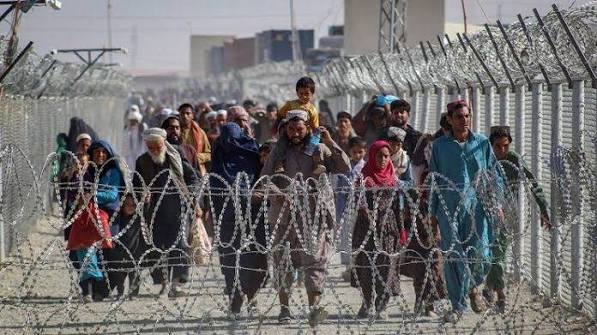
The United States has deported a group of migrants from Iran, Afghanistan, Syria, Turkey, and several other countries to the Central African Republic (CAR), marking the latest use of controversial third-country deportation agreements that have sparked criticism from human rights organizations and immigration advocates.
According to reports, the deportation flight arrived in the Central African Republic carrying approximately two dozen migrants who were unable to be returned directly to their countries of origin. The move is part of a broader immigration enforcement strategy under the administration of President Donald Trump, which has increasingly relied on agreements with third countries willing to accept foreign nationals facing deportation from the United States. (AP News)
The Central African Republic, one of the world's poorest and most conflict-affected nations, recently entered an arrangement with Washington to receive deportees who are not citizens of the country. The agreement has generated significant international attention because many of the migrants involved have no prior ties to the African nation and face an uncertain future upon arrival. (Reuters)
Among those reportedly deported was an Iranian woman whose lawyers argued she faced persecution if returned to Iran. Advocacy groups have also expressed concern about Afghan and Syrian nationals included in the deportation process, noting that many fled instability, conflict, or political repression in their home countries.
Legal representatives for some of the migrants argued that several individuals had previously received protections from U.S. immigration courts because they faced credible threats of persecution or torture if sent back to their countries of origin. However, U.S. authorities reportedly utilized third-country deportation arrangements rather than direct repatriation, a legal pathway that has become increasingly controversial.
Human rights organizations have questioned the transparency of such agreements and warned that relocating vulnerable migrants to countries facing security, economic, and humanitarian challenges may expose them to additional risks.
The Central African Republic has struggled with political instability, armed conflict, and poverty for years. Large parts of the country remain affected by insecurity despite efforts by the government and international partners to restore stability. Critics argue that sending migrants to such an environment raises serious humanitarian concerns.
The U.S. government has defended the legality of its deportation policies, maintaining that individuals subject to removal proceedings receive due process under American immigration laws. Officials have argued that third-country arrangements provide an alternative when direct deportation to a migrant's home country is not feasible or legally permissible.
Supporters of the policy say it helps address immigration enforcement challenges while reducing the number of individuals who remain in prolonged detention or legal limbo. They contend that sovereign nations have the right to determine immigration policies and establish international agreements regarding deportation procedures.
Nevertheless, the latest deportations have intensified debate among lawmakers, legal experts, and advocacy groups. Some critics argue that migrants who have already established credible fears of persecution should not be transferred to countries where they have no support networks, employment opportunities, or legal protections.
The issue has also attracted attention on Capitol Hill, where members of Congress from both major political parties have raised concerns about broader plans involving the relocation of migrants and refugees to third countries. Lawmakers have questioned whether adequate safeguards exist to ensure the welfare and safety of individuals affected by such agreements.
Meanwhile, humanitarian organizations operating in the Central African Republic have indicated that they may provide limited assistance to deportees upon arrival. The International Organization for Migration (IOM) has reportedly agreed to offer humanitarian support but emphasized that it was not involved in carrying out the deportation itself.
Analysts say the development reflects a broader global trend in which wealthier nations increasingly seek partnerships with third countries to manage migration flows. Similar arrangements have emerged in various regions of the world, often generating controversy over questions of legality, accountability, and human rights.
For the migrants involved, however, the immediate concern remains adapting to life in a country many had never previously visited. Lawyers representing some deportees have indicated that legal challenges may continue as advocates seek greater transparency regarding the agreements and protections available to those relocated. (AP News)
As international scrutiny grows, deportations are likely to remain a focal point in ongoing debates about immigration policy, refugee protection, and the responsibilities of governments toward vulnerable populations.
The situation also underscores the complex intersection of migration, national security, and international diplomacy at a time when displacement caused by conflict, economic hardship, and political instability continues to rise globally.
For now, the arrival of Iranian, Afghan, Syrian, Turkish, and other migrants in the Central African Republic has opened a new chapter in the global migration debate; one that is expected to generate further legal, political, and humanitarian discussions in the weeks ahead.