Turaki Appeals to Trump to “Save Nigeria’s Democracy” Amid PDP Crisis
Kabiru Turaki, new PDP National Chairman, has called on President Trump and the international community to intervene in Nigeria’s political crisis. The appeal raises serious concerns about Nigeria’s democratic stability and its international reputation.
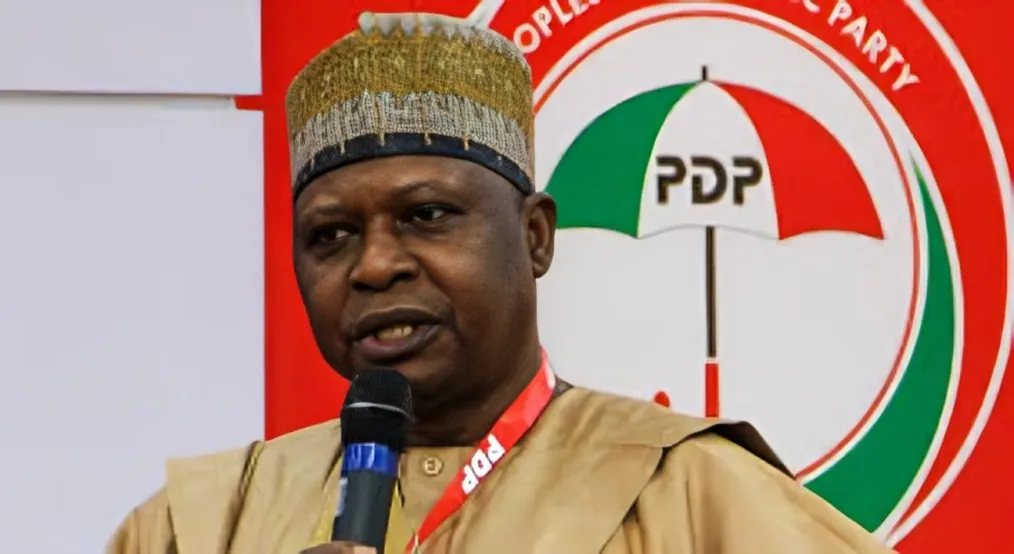
When Kabiru Tanimu Turaki was elected as the factional National Chairman of the Peoples Democratic Party (PDP) in November 2025, he did so against a backdrop of deep internal crisis. But instead of turning solely inward to heal party rifts, Turaki issued a dramatic call for international intervention, invoking none other than U.S. President Donald Trump. In doing so, he raised the stakes - not just for PDP unity, but for Nigeria’s international reputation as a functioning democracy.
A Plea to Foreign Powers: Democracy in Peril?
Speaking to journalists outside PDP’s national secretariat in Wadata Plaza, Turaki warned that his country’s democracy is “under threat.” He accused the faction loyal to Minister of the Federal Capital Territory, Nyesom Wike, of using “armed thugs” to block his group’s access to party facilities. According to Turaki, such internal chaos demands more than internal solutions:
“I want to call on President Trump. What is at stake is not just genocide against Christians; he should come and save democracy in Nigeria… Democracy is under threat. I am calling all other developed nations, all advanced democracies: come and save Nigeria.” - Vanguard News
He went even further, declaring that he and his faction are ready to make the “ultimate sacrifice” for both the PDP’s mandate and Nigerian democracy. “We are willing to lay down our lives to protect our office, to protect democracy and to protect our mandate,” he said.
Crisis at Home, Concern Abroad: The International Ramifications
This isn’t just a power struggle within one of Nigeria’s major political parties. Turaki’s appeal to Trump and other foreign governments signals a troubling message: Nigeria may be slipping into democratic instability - and needing external rescue.
Democracy Under Question: When a political leader calls for foreign intervention to preserve democratic norms, it raises doubt about whether national institutions are still capable of self-correction.
Global Reputation at Risk: If international actors are seen as arbiters in domestic politics, Nigeria’s sovereignty may appear compromised, and its democratic credibility could suffer.
Security Concerns: Allegations of “armed thugs” disrupting internal party operations feed into broader narratives about lawlessness and the ability of the state to enforce order - a signal that may unsettle both investors and diplomatic partners.
Religious and Human Rights Angles: By framing the appeal in terms of “genocide against Christians,” Turaki is also tapping into international human rights discourse, potentially attracting global scrutiny.
In short, Turaki’s remarks could fuel concern among foreign governments and civil society about the durability of democracy in Nigeria, with possible long-term consequences for foreign investment, aid, and diplomatic relations.
A Historically Fractured Party
Turaki’s position is not without controversy. His leadership comes at a time of pronounced internal division. Northern PDP leaders had endorsed him as a consensus candidate - but not without pushback. Some North-West stakeholders rejected his adoption, accusing the party’s decision-makers of ignoring proper consultation. - TheCable
Moreover, critics question whether Turaki’s call for global intervention serves party interests as much as national ones. By aligning his faction with external powers, he may be seeking leverage not just over rival PDP camps, but potentially over the broader political landscape, ahead of the 2027 general elections. - The Guardian Nigeria
Turaki's Vision: Reform, Unity, and an End to Impunity
Amid the turmoil, Turaki has promised a new direction for the PDP - one rooted in internal accountability and grassroots democracy. He pledged sweeping reforms, a return to the party’s founding ideals, and a renewed commitment to its members. - Vanguard News
In his acceptance speech, Turaki stressed that the era of impunity is over. “Very soon, we shall be rolling out what our guiding principles will be … Once that is done, we will hit the ground running from day one,” he said.
He further vowed reconciliation, pledging to reach out to party members who feel marginalized, wronged, or uninvolved - even if that means apologizing or “kneeling to plead.”
Why Turaki Turned to Trump - A Strategic Move
Several factors help explain why Turaki would publicly invite foreign powers into what is often regarded as an internal party squabble. This strategic move may be anticipating a few benefits like;
Leverage over Rivals: By internationalizing the crisis, Turaki elevates the stakes for his opponents, potentially gaining moral and diplomatic support beyond local party structures.
Attention to Democracy’s Crisis: His appeal echoes a broader worry - that Nigeria’s political system is weakening and requires external validation and support.
Signaling Resolve: By saying he’s ready to die for his cause, Turaki underscores how seriously he takes his mandate - bolstering his image as a leader of conviction.
Magnetizing the International Community: Framing the crisis around Christian persecution may attract interest from global human rights bodies and foreign governments already attuned to religious freedom issues.
Risks to Nigeria’s Reputation
While Turaki’s gambit could bring global attention to his cause, it also risks damaging Nigeria’s international standing. Here are a few areas of concern
Sovereignty Questioned: Calls for foreign intervention could be perceived as a failure of Nigerian institutions to resolve their own political problems.
Instability Signal: The world may interpret this as a red flag - if Nigeria’s major parties cannot maintain order internally, what does that say about the country’s ability to govern?
Diplomatic Backlash: Foreign governments often avoid interfering in sovereign political disputes. Turaki’s plea may not win him allies, and could prompt criticism for inviting external meddling.
Domestic Blowback: Nigerians may resent what some could view as an attempt to internationalize internal conflict, undermining nationalism and democratic legitimacy.
Can Turaki Reconcile - or Will He Divide Further?
Turaki’s call to Trump and other advanced democracies reflects both desperation and ambition. He is walking a tightrope: seeking international legitimacy without alienating Nigerian stakeholders. His success will depend on whether he can deliver internal party reform while retaining credibility on the global stage.
If successful, Turaki may unify the PDP, positioning it for a strong fight in upcoming elections - and reinforce Nigeria’s reputation as a democracy worthy of respect and partnership.
If he fails, the move might deepen fractures, invite foreign skepticism, and weaken Nigeria’s standing in the eyes of the world.
Turaki’s appeal is a powerful signal - not just about PDP’s internal strife, but about how fragile Nigeria’s democratic institutions may be perceived internationally. As the world watches, the resolution of this crisis could define not only PDP’s future but the country’s reputation as a stable, self-governing democracy.