Tuggar Resigns as Nigeria’s Foreign Affairs Minister to Join Bauchi Governorship Race: Political Realignment and 2027 Implications
Nigeria’s Foreign Affairs Minister Yusuf Maitama Tuggar resigns to contest the Bauchi governorship, signaling major political shifts ahead of the 2027 elections. Analysis of implications, strategy, and power dynamics.
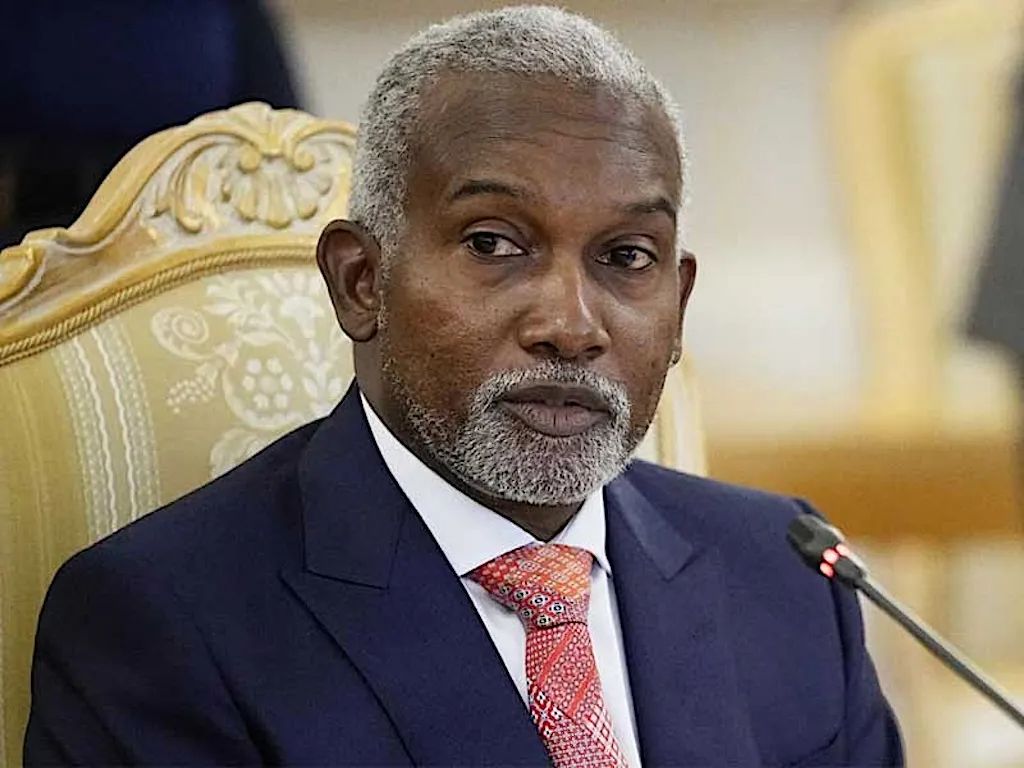
Nigeria’s political landscape is beginning to take shape ahead of the 2027 general elections, with the reported resignation of Yusuf Maitama Tuggar as Minister of Foreign Affairs to pursue the governorship of Bauchi State. The development marks a significant shift in both federal and state-level politics, raising questions about ambition, party strategy, and the evolving power dynamics within Nigeria’s ruling elite.
Tuggar, a seasoned diplomat and politician, has served as Nigeria’s chief foreign policy officer, representing the country on the global stage. His decision to leave such a high-profile federal position to return to state politics underscores the strategic importance of governorship seats in Nigeria’s political architecture.
From Diplomacy to Domestic Politics
Before his ministerial appointment, Tuggar had built a reputation as a diplomat, including serving as Nigeria’s ambassador to Germany. His tenure as Foreign Affairs Minister was marked by efforts to reposition Nigeria’s global image and strengthen bilateral relations.
However, his move to contest the Bauchi governorship suggests a recalibration of political priorities. In Nigeria, governorship positions are not merely administrative roles; they are powerful political platforms that provide control over state resources, influence over local structures, and leverage in national politics.
Reports indicate that Tuggar’s resignation was driven by a desire to directly impact governance at the state level, where policy decisions often have more immediate effects on citizens’ lives. Thisdaylive
Why Bauchi Matters
Bauchi State is one of the key political battlegrounds in northern Nigeria. With a significant voting population and strategic importance in regional politics, the state has often played a role in shaping national outcomes.
The governorship race in Bauchi is expected to be highly competitive, with multiple contenders from both the ruling All Progressives Congress (APC) and opposition parties.
Tuggar’s entry into the race adds a new dimension, given his national profile and connections within the federal government. His candidacy could reshape the dynamics within the APC, potentially leading to internal competition or realignment.
A Strategic Move or Political Risk?
Resigning from a ministerial position to contest a governorship is a bold move that carries both opportunities and risks.On one hand, Tuggar’s national visibility and experience could give him an advantage over other candidates. His tenure in federal office may also translate into political capital, particularly among party stakeholders and voters seeking experienced leadership.
On the other hand, the move exposes him to the uncertainties of electoral politics. Governorship primaries in Nigeria are often fiercely contested, and securing the party’s ticket is not guaranteed.
Moreover, stepping down from a federal role removes the institutional backing and visibility that come with ministerial office, placing him directly in the competitive arena of state politics.
Implications for Nigeria’s Foreign Policy
Tuggar’s resignation also has implications for Nigeria’s foreign policy. As Foreign Affairs Minister, he played a key role in shaping the country’s diplomatic engagements, including relations with major global powers and regional organizations.
His departure creates a vacuum that will need to be filled quickly to ensure continuity in foreign policy. Punch
The transition raises questions about whether ongoing diplomatic initiatives will be affected and how the incoming minister will navigate existing commitments. In a period marked by global geopolitical tensions, leadership stability in the foreign affairs ministry is particularly important.
Internal Party Dynamics: APC’s Balancing Act
Within the APC, Tuggar’s decision could trigger shifts in internal dynamics. Party leaders will need to manage competing interests and ensure that the selection process for the Bauchi governorship candidate does not lead to divisions.
The APC has faced internal challenges in various states, often stemming from disagreements over candidate selection. Tuggar’s entry into the race could either strengthen the party’s chances by presenting a strong candidate or exacerbate internal tensions if not managed carefully.
Opposition Response and Political Competition
Opposition parties are also likely to view Tuggar’s candidacy as both a challenge and an opportunity. While his profile makes him a formidable contender, it also provides a clear target for political criticism.
Opponents may question his decision to leave a national role for state politics, framing it as opportunistic or indicative of shifting ambitions. At the same time, they may seek to capitalize on any divisions within the APC.
The Bauchi governorship race is therefore shaping up to be a microcosm of broader political contests in Nigeria, where local elections often reflect national dynamics.
A Broader Trend: Federal-to-State Political Migration
Tuggar’s move reflects a broader trend in Nigerian politics, where federal officeholders transition to state-level contests. This pattern highlights the enduring importance of state politics as a foundation for national influence.
Governors play a critical role in Nigeria’s political system, controlling significant resources and serving as key stakeholders in party structures. For many politicians, a governorship seat offers a platform for future national ambitions.
In this context, Tuggar’s decision can be seen as a strategic repositioning rather than a step down.
Public Perception and Voter Expectations
Public reaction to Tuggar’s resignation has been mixed. Some view it as a positive step, reflecting a desire to bring experienced leadership to the state level. Others see it as a political calculation aimed at maintaining relevance ahead of the 2027 elections.
For voters in Bauchi, the key question will be whether Tuggar can translate his national experience into effective governance at the state level.
Issues such as infrastructure, education, healthcare, and security are likely to dominate the campaign, with voters expecting concrete solutions rather than political rhetoric.
What Lies Ahead
As the 2027 elections approach, Tuggar’s resignation marks an early signal of the political maneuvering that will define the period. The Bauchi governorship race is expected to attract significant attention, given its strategic importance and the profile of the candidates involved.
The coming months will likely see increased political activity, including alliances, endorsements, and campaign strategies.
Conclusion: A Defining Political Moment
The resignation of Yusuf Maitama Tuggar as Nigeria’s Foreign Affairs Minister to pursue the Bauchi governorship is a significant development with far-reaching implications. It highlights the strategic importance of state politics, the evolving dynamics within the APC, and the broader realignment of political forces ahead of 2027.
Whether this move proves to be a masterstroke or a miscalculation will depend on how events unfold. What is clear, however, is that Nigeria’s political landscape is entering a new phase - one defined by ambition, competition, and the pursuit of power at all levels.