TUC Expels 11 Members, Suspends 14 Over Alleged Disobedience and Anti-Union Activities
The Trade Union Congress (TUC) has expelled 11 members and suspended 14 others over allegations of disobedience, misconduct, and anti-union activities, deepening internal tensions within the labour organization.
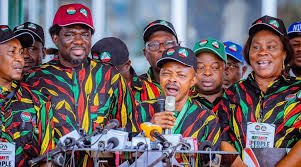
The Trade Union Congress of Nigeria has announced the expulsion of 11 members and the suspension of 14 others over allegations bordering on disobedience, misconduct, and activities considered detrimental to the union’s internal stability.
The disciplinary measures, announced after a high-level meeting of the union’s national leadership, have triggered widespread reactions within labour circles and intensified discussions over internal governance, union discipline, and factional tensions within organized labour in Nigeria.
According to officials of the TUC, the affected members were sanctioned following investigations into alleged acts of insubordination, violation of union directives, and actions said to undermine the authority of the organization’s leadership structure.
The union stated that the decision became necessary to preserve discipline, unity, and institutional integrity within the labour body.
TUC Announces Disciplinary Actions
In a statement issued after its National Executive Council meeting in Abuja, the TUC leadership said the sanctions followed recommendations submitted by an internal disciplinary committee established to investigate complaints against the affected members.
The organization explained that the committee reviewed multiple allegations involving refusal to comply with official directives, unauthorized public statements, and activities allegedly capable of creating division within the congress.
According to the union, 11 members were expelled outright after being found guilty of what it described as “grave anti-union conduct,” while 14 others received varying periods of suspension pending further review and reconciliation efforts.
The TUC leadership emphasized that the measures were not intended as political persecution but as enforcement of the organization’s constitution and disciplinary framework.
Allegations of Disobedience and Internal Division
Union officials accused some of the sanctioned members of openly defying resolutions reached by the congress leadership during previous meetings.
Others were reportedly accused of engaging in parallel meetings, unauthorized mobilization, and public criticism of union leadership without following established internal procedures.
Sources within the labour movement said tensions had been building for several months over disagreements concerning union administration, welfare negotiations, and leadership decision-making processes.
Some insiders also linked the dispute to broader disagreements over strategy regarding labour engagement with the Federal Government on economic reforms and workers’ welfare issues.
Although the union did not publicly disclose all details surrounding the allegations, officials insisted the disciplinary process complied with the organization’s constitutional provisions. (vanguardngr.com)
Reactions Within Labour Circles
The disciplinary action has generated mixed reactions among labour activists and affiliated unions.
Supporters of the TUC leadership argued that every organization requires discipline and adherence to established rules to function effectively.
They maintained that failure to address acts of indiscipline could weaken the union’s ability to negotiate effectively on behalf of Nigerian workers.
However, critics of the sanctions described the move as excessive and potentially harmful to internal democracy within organized labour.
Some labour observers warned that mass expulsions and suspensions could deepen divisions and create factional instability within the congress.
Others called for reconciliation efforts aimed at preventing prolonged internal conflict.
TUC Defends Its Decision
In defending the action, TUC officials said the union could not tolerate conduct capable of undermining collective unity at a time when Nigerian workers face significant economic hardship.
The congress stressed that internal disagreements should always be addressed through constitutional mechanisms rather than public confrontation or unauthorized parallel structures.
Union leaders also insisted that those affected were given opportunities to defend themselves before disciplinary decisions were reached.
According to the organization, the disciplinary committee reviewed petitions, testimonies, and documentary evidence before making recommendations.
The leadership further warned that additional sanctions could follow if other members continue to violate union regulations.
Economic Challenges Increase Pressure on Labour Unions
The controversy comes at a period of heightened economic pressure in Nigeria, where labour unions continue to face mounting demands from workers over inflation, fuel costs, taxation, and wage concerns.
The TUC, alongside the Nigeria Labour Congress, has remained at the center of negotiations with the Federal Government over economic policies affecting workers and the broader population.
Labour unions have repeatedly criticized the impact of rising living costs following subsidy removal, currency instability, and inflationary pressures.
Analysts say these economic realities have increased pressure on union leadership while also intensifying internal debates over negotiation strategies and labour activism.
Some labour experts believe disagreements over how aggressively unions should confront government policies may partly explain rising tensions within organized labour structures.
Concerns Over Internal Democracy
The disciplinary measures have also reignited broader conversations about internal democracy within trade unions.
Some labour rights advocates argue that strong disciplinary systems are necessary to maintain organizational order, especially in large national unions with multiple affiliates.
Others, however, caution that excessive disciplinary actions may discourage open debate and weaken member participation in union affairs.
Political analysts note that labour organizations historically function best when they balance institutional discipline with open engagement among members.
The latest TUC decision is therefore likely to remain controversial within labour and political circles.
Legal and Constitutional Questions
Legal observers say any affected member dissatisfied with the disciplinary outcome may still challenge the sanctions through internal appeal processes or the courts.
Nigeria’s labour laws and union constitutions generally provide mechanisms for dispute resolution involving suspensions, expulsions, and leadership conflicts.
Some constitutional lawyers argue that courts typically avoid interfering in purely internal union matters unless there are allegations of procedural violations or denial of fair hearing.
For now, however, the TUC leadership insists the process was constitutional and properly executed.
Potential Impact on Labour Unity
The development raises concerns about possible fragmentation within the labour movement at a time when unions are expected to maintain strong collective bargaining power.
Observers warn that prolonged internal crises could weaken labour’s negotiating influence on national economic matters.
The TUC has historically played a major role in national industrial actions, wage negotiations, and public policy advocacy.
Any major internal division could therefore affect not only union operations but also broader labour-government relations.
Despite the controversy, union leaders say efforts at reconciliation remain open for members willing to comply with constitutional processes.
What Happens Next
Attention is now shifting toward how the affected members and affiliated unions will respond to the disciplinary measures.
Some observers expect appeals and negotiations behind the scenes aimed at resolving tensions before they escalate further.
Labour analysts also believe the Congress leadership may face pressure to pursue reconciliation to preserve organizational stability ahead of future national engagements.
For now, however, the expulsions and suspensions represent one of the most significant disciplinary crackdowns within the TUC in recent years.
As Nigeria’s labour movement navigates growing economic challenges and political pressures, the outcome of this internal dispute could shape the future direction of organized labour in the country.