Trump Warns Iran Over Hormuz Dispute: “Not the Agreement We Have”
Trump accuses Iran of violating ceasefire terms over the Strait of Hormuz. Here’s what the dispute means for the US-Iran truce, global oil markets, and rising geopolitical tensions.
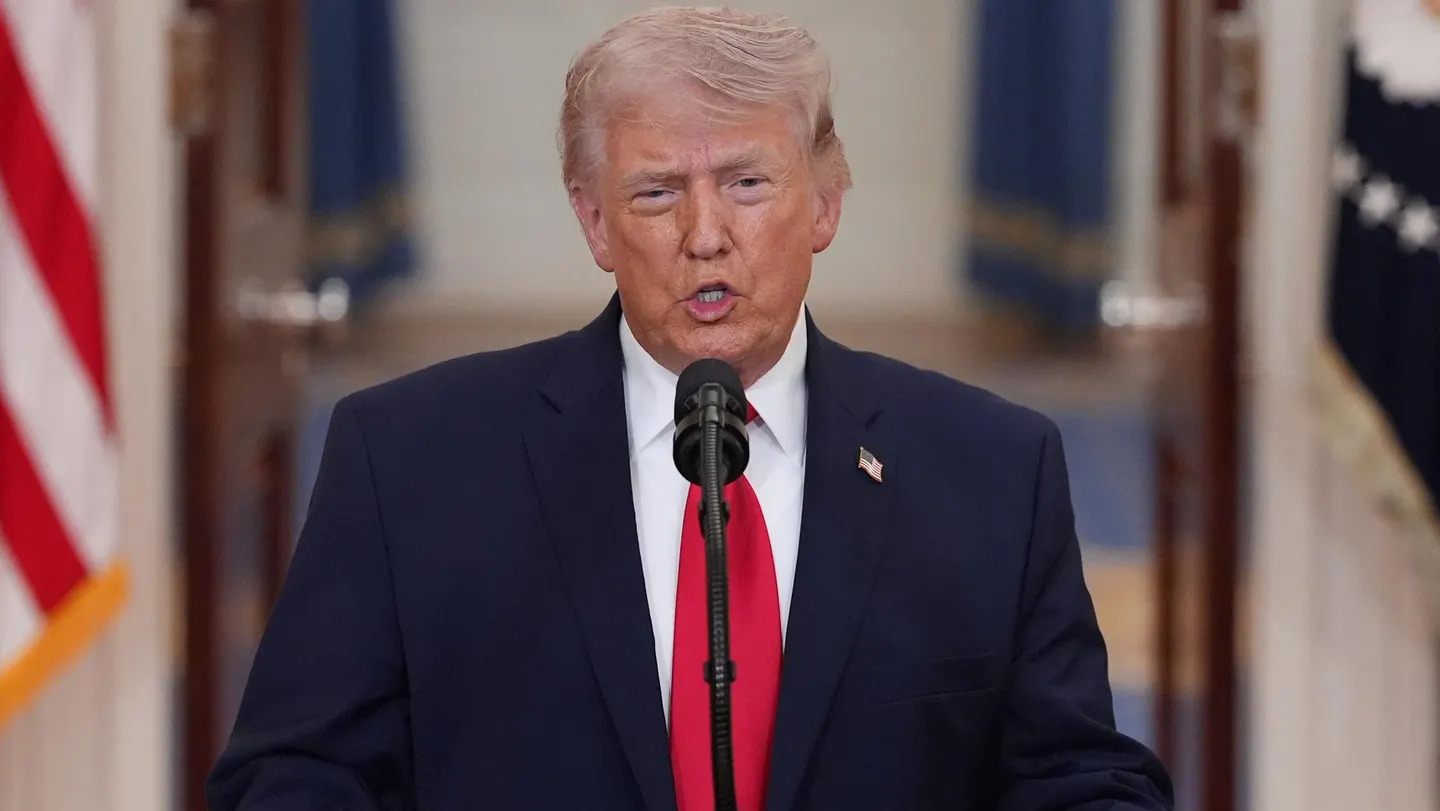
The fragile ceasefire between the United States and Iran is facing renewed uncertainty after former U.S President Donald Trump declared that Iran’s actions in the Strait of Hormuz are “not the agreement we have.” The statement underscores growing tensions between both sides just days after a temporary truce was announced to halt escalating hostilities in the Middle East.
At the heart of the dispute lies the Strait of Hormuz, a narrow but critical maritime corridor through which roughly one-fifth of the world’s oil supply passes. Any disruption to this waterway has immediate global consequences, particularly for energy markets and international trade.
Recent developments indicate that while both Washington and Tehran publicly claim victory from the ceasefire, their interpretations of the agreement differ sharply, raising concerns about whether the truce can hold.
Conflicting Interpretations of the Ceasefire
The ceasefire, brokered under intense diplomatic pressure, was meant to include the reopening of the Strait of Hormuz and a pause in hostilities. However, Iran has imposed restrictions on vessel movement, reportedly allowing only a limited number of ships to pass daily. (Reuters)
This move has angered Washington, which insists that full and unrestricted access to the strait was a core condition of the agreement. Trump’s warning signals that the U.S. views Iran’s actions as a breach of trust and a potential trigger for renewed confrontation.
Complicating matters further, reports suggest that hundreds of ships remain stranded, with global oil flows still disrupted. (New York Post) The U.S. position is clear: the ceasefire hinges on complete reopening, not partial compliance.
Iran, on the other hand, appears to see the agreement differently. Iranian officials have framed the ceasefire as a strategic win, asserting control over the strait and insisting on their right to regulate maritime access. (Wikipedia)
Why the Strait of Hormuz Matters
The Strait of Hormuz is not just a regional concern, it is a global economic lifeline. Approximately 20% of the world’s oil supply passes through this narrow channel, making it one of the most strategically important waterways on Earth. (Wikipedia)
When Iran restricted access during the conflict, oil prices surged, and shipping routes were disrupted. Even with the ceasefire in place, limited access continues to create uncertainty in global markets.
Trump’s criticism reflects broader fears that Iran may be using the strait as leverage in negotiations, effectively turning a ceasefire condition into a bargaining tool.
What Trump’s Statement Really Means
Trump’s assertion that Iran’s conduct is “not the agreement we have” carries several implications.
First, it signals that the United States may not consider itself bound by the ceasefire if Iran continues its current approach. The warning echoes earlier threats of military action should the strait remain restricted. (Reuters)
Second, it highlights internal inconsistencies within the agreement itself. Reports indicate that both sides entered the ceasefire with different expectations with the U.S. focusing on security and open shipping lanes, while Iran prioritized sovereignty and strategic control. (The Washington Post)
Third, the statement raises the possibility of escalation. With U.S. forces still present in the region and Iran maintaining a strong military posture, even minor incidents could quickly spiral into renewed conflict.
Iran’s Response and Strategic Position
Iran has not backed down. Instead, it has doubled down on its position, portraying the ceasefire as a diplomatic victory forced upon the United States.
Tehran maintains that it has the right to oversee and coordinate traffic through the strait, particularly in light of ongoing tensions involving Israel and regional allies. (Reuters)
Moreover, Iranian officials have suggested that any further violations, particularly continued military actions in the region could lead to a collapse of the ceasefire altogether.
This hardline stance suggests that Iran is leveraging its geographic advantage to extract concessions, rather than simply complying with U.S. demands.
Implications for Global Oil and Security
The ongoing dispute has far-reaching implications beyond U.S.-Iran relations.
Oil markets remain volatile, with prices reacting to every development in the strait. Limited vessel access, combined with uncertainty over the ceasefire, has already driven price fluctuations and disrupted supply chains.
For countries heavily dependent on Gulf oil exports including major economies in Asia and Europe, the situation presents a significant risk.
Additionally, the standoff threatens broader regional stability. The ceasefire does not fully cover all conflict zones, particularly areas involving Israel and Iranian-backed groups, increasing the likelihood of spillover tensions. (Reuters)
A Ceasefire on the Brink?
The current situation reveals a ceasefire that exists more on paper than in practice. While outright hostilities have paused, underlying tensions remain unresolved. Trump’s remarks reflect growing frustration within the U.S. over what it perceives as Iranian non-compliance. Iran, meanwhile, sees itself as negotiating from a position of strength.
Unless both sides reconcile their differing interpretations of the agreement, the ceasefire risks collapsing under the weight of mistrust and competing interests.
Conclusion
The dispute over the Strait of Hormuz has exposed the fragility of the U.S.-Iran ceasefire. Trump’s warning that Iran’s actions are “not the agreement we have” is more than rhetoric, it is a signal that the truce is under serious strain.
With global energy security, regional stability, and diplomatic credibility all at stake, the coming days will be critical. Whether this ceasefire evolves into lasting peace or unravels into renewed conflict will depend on one key factor: whether both sides can agree on what the deal truly means.