Trump Waives Several Russia Sanctions: Implications for Ukraine, Global Trade and Oil Markets
Donald Trump has waived several new Russia-related sanctions and tariffs, raising questions about pressure on Moscow, Ukraine’s security, global oil trade and US relations with India and China.
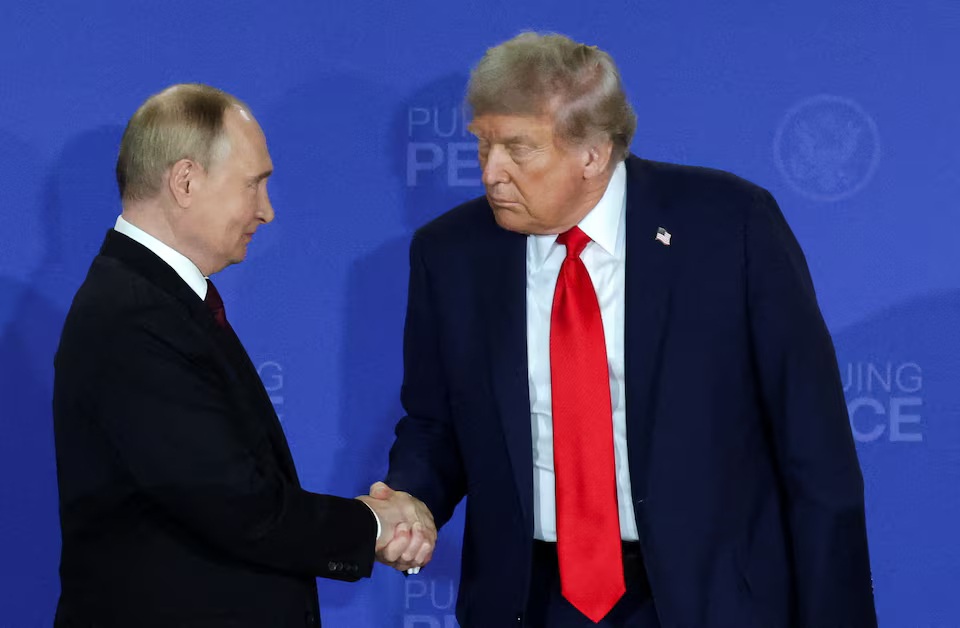
US President Donald Trump has waived several major Russia-related sanctions and tariffs just days before they were due to take effect, creating fresh uncertainty over Washington’s strategy for pressuring Moscow over its ongoing war against Ukraine.
In an executive order dated October 16, 2026, Trump cited the national interest of the United States as the reason for suspending measures established under the Lindsey O. Graham Sanctioning Russia and Iran Act of 2026, which he signed into law in September.
The legislation was designed to intensify economic pressure on Russia and penalize countries continuing to purchase Russian oil and gas under specified conditions. Its proposed measures included tariffs of up to 500 per cent on Russian goods and additional duties of up to 100 per cent on imports from certain major buyers of Russian energy and countries identified as facilitating sanctions evasion.
The White House order waives a broad range of provisions under the new law, while explicitly preserving sanctions imposed under earlier executive orders. It does not amount to the removal of the entire US sanctions regime against Russia.
The decision has provoked criticism from lawmakers in both parties and concern in Ukraine, while Russian officials have welcomed the move. According to, the waiver could have significant implications for international energy trade, relations with countries purchasing Russian oil and the broader diplomatic effort to end the war. Reuters
Russia Gains Breathing Room from Proposed Economic Pressure
The most immediate implication is that Russia avoids the additional economic pressure the new law was intended to introduce, at least for as long as the waiver remains in force.
The legislation targeted Russian exports and sought to increase the cost of doing business with Moscow, particularly for countries that continue purchasing Russian energy or help Russian entities circumvent existing restrictions.
The proposed 500 per cent tariff on Russian goods and 100 per cent duties affecting certain imports from major Russian energy buyers could have significantly complicated international trade if implemented.
By suspending these provisions, Trump has reduced the immediate threat of those additional penalties. Russian exporters and energy suppliers may consequently face less uncertainty over the new law’s implementation.
However, existing US sanctions remain important. The executive order specifically states that the waiver does not affect measures imposed under earlier executive orders addressing Russia’s activities. Therefore, the decision should not be interpreted as a complete restoration of normal US-Russia economic relations.
The official White House executive order provides the legal details of the suspension and the administration’s authority to revisit it.
Ukraine Faces Questions Over Continued US Support
Ukraine is among the countries most directly affected by the decision’s strategic implications. Since Russia launched its full-scale invasion in February 2022, Ukraine and its international partners have sought to limit Moscow’s ability to finance its military campaign through energy exports and other economic activities.
The Graham Act was intended to strengthen that approach by threatening penalties against countries whose purchases of Russian energy continued to provide revenue to Moscow.
Trump’s decision to waive the new provisions raises questions about how much economic pressure Washington is prepared to apply while pursuing its diplomatic objectives.
Ukrainian President Volodymyr Zelenskyy criticized the move, arguing that easing pressure on Russia could benefit President Vladimir Putin and undermine efforts to end the conflict. The waiver comes amid wider tensions over the US administration’s approach to the war and its relationship with Kyiv. The Guardian
The practical consequences will depend on whether Washington continues using other sanctions, military assistance and diplomatic engagement to influence Russia’s conduct.
India and China Could Benefit from Reduced Tariff Risks
The waiver also has important implications for countries that buy substantial quantities of Russian energy, particularly India and China. Under the Graham Act, the United States could have imposed additional tariffs on imports from specified major purchasers of Russian oil and natural gas under the law’s conditions.
For India, the prospect of additional US duties presented a potential challenge to its energy strategy, which has included purchasing Russian crude while balancing relations with Washington and other international partners.
China also faces exposure to changes in US trade policy because of its economic relationship with Russia and its role in global energy markets. By waiving the new provisions, Trump has reduced the immediate threat of these particular additional tariffs. That could give affected countries more room to manage their energy purchases without facing the new penalties under this legislation.
Nevertheless, the order does not guarantee unrestricted trade with Russia. Other US trade measures and sanctions may still apply, and the waiver could be reconsidered.
Global Oil Markets Face Fresh Uncertainty
Sanctions policy can influence oil prices by affecting the availability of crude, shipping arrangements, insurance costs and the willingness of traders and financial institutions to handle Russian supplies.
Russia remains a major participant in global energy markets. Any policy that changes the risks associated with purchasing its oil can influence commercial decisions among refiners, traders and importing countries.
The waiver may reduce uncertainty surrounding the additional penalties proposed by the Graham Act, particularly for businesses concerned about exposure to tariffs on goods exported to the United States.
However, it would be premature to conclude that the decision will automatically lower global oil prices. Crude prices also respond to production decisions, demand, geopolitical conflict, shipping disruptions and broader economic conditions. Existing restrictions may continue to affect how Russian oil is transported, insured, financed and sold. For energy-importing countries, including developing economies, the key issue is whether the policy change ultimately improves supply and affordability. That outcome will depend on market responses rather than the announcement alone.
Trump Faces a Political and Congressional Dispute
The decision has also triggered a dispute over the relationship between presidential authority and congressional efforts to impose tougher restrictions on Russia. The Graham Act passed through Congress before Trump signed it into law on September 18. Yet the legislation itself authorized the president to waive specified provisions if he certified to Congress that doing so was in the national interest and supplied an explanation.
Trump relied on that authority in issuing the October 16 order. The episode illustrates the limits of interpreting congressional support for sanctions as a guarantee that every measure will be implemented. The law contains a mechanism allowing the president to suspend provisions under specified conditions.
Critics have argued that the waiver undermines the purpose of the legislation and weakens Washington’s efforts to hold Moscow accountable. Supporters of a more flexible approach may contend that preserving presidential discretion allows the administration to respond to changing diplomatic and economic circumstances.
What Happens Next?
The waiver remains in effect until the president or designated officials determine that further action is appropriate, according to the executive order. This means the administration retains the ability to reconsider the suspension.
Governments, energy companies and international investors will therefore be watching for additional decisions that clarify Washington’s intentions. Three issues will be particularly important: whether the United States maintains its existing sanctions on Russia, whether the administration changes its approach to Russian energy purchases by third countries, and whether the waiver contributes to diplomatic progress over Ukraine.
The effects will also depend on how Russia responds and whether European and other international partners maintain their own restrictions.
Trump’s decision to waive several Russia-related sanctions and tariffs marks a significant change in the implementation of the new Graham Act, but it does not end the broader US sanctions regime against Moscow.
The move reduces the immediate threat of additional penalties for Russia and certain countries trading in its energy, while raising concerns in Ukraine and prompting criticism from US lawmakers.
For global markets, the consequences remain uncertain. The waiver could ease some trade-related risks, but its impact on oil prices, Russian revenues and the course of the war will depend on developments beyond the executive order itself.
Ultimately, the central question is whether the administration’s decision represents a temporary adjustment to its economic strategy or a broader shift in how Washington intends to use sanctions to influence Russia’s actions.