Trump Threatens 50% Tariffs on Countries Supplying Arms to Iran Amid Rising Global Tensions
Donald Trump warns of sweeping 50% tariffs on nations supplying weapons to Iran. Analysis of the policy, global implications, and impact on geopolitics and trade.
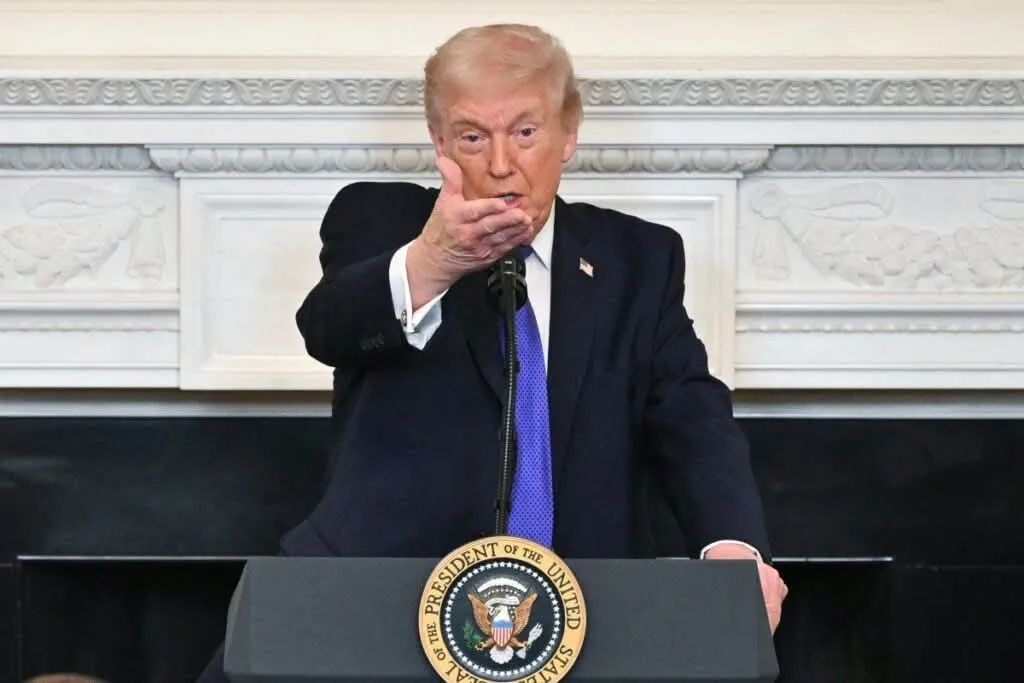
Global tensions surrounding the ongoing Iran conflict escalated sharply on April 8, 2026, after Donald Trump issued a stark warning: any country supplying military weapons to Iran would face immediate 50% tariffs on all exports to the United States.
The move represents one of the most aggressive economic threats in recent geopolitical history, signaling a shift from traditional sanctions toward what analysts describe as “secondary tariff warfare.” It also underscores Washington’s determination to isolate Iran militarily following weeks of conflict and a fragile ceasefire.
The Announcement
Trump made the declaration via his Truth Social platform, stating unequivocally:
“A Country supplying Military Weapons to Iran will be immediately tariffed… 50%, effective immediately. There will be no exclusions or exemptions.” (Punch Newspapers)
The policy targets any nation or adversary that provides military support to Iran. Reports suggest that countries such as China and Russia are particularly in focus due to their historical military ties with Tehran. (New York Post)
The announcement came just hours after the United States agreed to a temporary ceasefire with Iran, adding a layer of contradiction: diplomacy on one hand, economic coercion on the other.
Understanding the Policy: What Are “Secondary Tariffs”?
Trump’s threat reflects a broader strategy known as secondary tariffs, an evolution of economic sanctions.
Unlike traditional tariffs that target direct imports, secondary tariffs penalize third-party countries that engage with a targeted nation in this case, Iran. (Wikipedia)
This approach has been used previously:
- Against countries buying Venezuelan oil
- Against nations trading with Russia
- Now, extended to military support for Iran
The goal is simple:
force global compliance by making access to the U.S. market conditional.
Strategic Objectives Behind the Threat
1. Isolating Iran Militarily: By targeting arms suppliers, Washington aims to limit Iran’s ability to rebuild or sustain its military capabilities following recent strikes.
Although Iran produces much of its own weaponry, it still relies on foreign components, technology, and support. (The Wall Street Journal)
2. Deterrence Through Economic Pressure: The U.S. remains the world’s largest consumer market. A 50% tariff could devastate export-dependent economies, making the cost of supporting Iran extremely high.
This transforms economic policy into a powerful deterrent tool.
3. Strengthening Negotiation Leverage: The tariff threat comes amid ongoing ceasefire talks and discussions around relief sanctions.
By increasing pressure, the U.S. may be attempting to:
- Force concessions from Iran
- Shape the terms of future negotiations
- Reinforce its dominance in the diplomatic process
Timing: A Policy Contradiction
The announcement is particularly striking because it coincides with a fragile ceasefire between the U.S. and Iran.
On one hand:
- Washington is engaging in talks over sanctions and tariff relief
- Iran has agreed to reopen the strategic Strait of Hormuz
On the other hand:
- The U.S. is escalating economic threats against Iran’s potential allies
This dual approach reflects a classic “carrot and stick” strategy, but one that risks undermining trust in ongoing negotiations.
Global Reactions and Concerns
Targeting Major Powers: Analysts believe the policy is aimed largely at major geopolitical rivals, particularly China and Russia.
Both countries have historically:
- Supplied military equipment to Iran
- Maintained strategic partnerships with Tehran
Imposing tariffs on such nations could trigger wider economic and political consequences.
Risk of Trade Wars: A 50% tariff is not just punitive, it is potentially destabilizing.
If implemented, affected countries could retaliate with:
- Counter-tariffs
- Trade restrictions
- Diplomatic pushback
This raises the possibility of a broader global trade conflict, especially at a time when markets are already volatile due to the Iran war.
Impact on the Global Economy: The announcement comes as global markets react to the ceasefire, with oil prices fluctuating and supply chains adjusting.
Any escalation in trade tensions could:
- Disrupting international trade flows
- Increase inflation
- Slow global economic recovery
Implications for the Iran Conflict
1. Escalation Without Combat: The tariff threat represents a shift toward economic warfare, allowing the U.S. to maintain pressure without direct military engagement.
2. Complicating Diplomacy: While intended to strengthen U.S. leverage, the move could:
- Alienate potential mediators
- Harden Iran’s negotiating stance
- Undermine trust in ceasefire talks
3. Reinforcing Global Divisions: The policy highlights the growing divide between Western powers and countries aligned with Iran.
This could deepen geopolitical blocks, with long-term implications for global stability.
A Pattern in Trump’s Foreign Policy
Trump’s tariff threat is consistent with his broader approach to international relations:
- Use of economic tools as primary leverage
- Willingness to target allies and adversaries alike
- Preference for unilateral, high-impact decisions
Earlier in 2026, his administration imposed tariffs on countries trading with Iran and others purchasing Russian oil, signaling a broader strategy of economic coercion.
What Happens Next?
Several key questions remain:
- Will the tariffs be implemented, or remain a threat?
- How will target countries respond?
- Will the policy strengthen or weaken ceasefire negotiations?
The answers will likely shape not just the Iran conflict, but the future of global trade relations.
Conclusion: Economic Power as a Weapon
Trump’s threat to impose 50% tariffs on countries supplying arms to Iran marks a significant escalation not of military conflict, but of economic warfare.
It reflects a world where trade policies are increasingly used as strategic weapons, blurring the line between economics and geopolitics.
While the move may deter some nations from supporting Iran, it also risks triggering broader global tensions, turning a regional conflict into a wider economic confrontation.
As the ceasefire holds, now the real battle may be shifting from the battlefield to the global marketplace.