Trump’s Deportation Plan: 79 Nigerians on US “Worst-of-the-Worst” Criminal List
The US under President Trump has announced plans to deport 79 Nigerians listed among the “worst-of-the-worst” criminal offenders. Read the full list of individuals named, the US policy context, reactions, and broader implications for Nigeria and Nigerians living abroad.
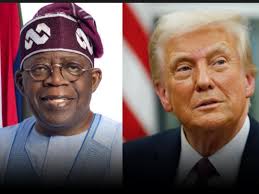
WASHINGTON/ABUJA -The United States Department of Homeland Security (DHS) has announced that it will deport 79 Nigerian nationals identified on its “worst-of-the-worst” criminal offenders register as part of an intensified immigration enforcement campaign under President Donald Trump. Nearly all of those listed have been convicted of serious crimes, including fraud, drug trafficking, assault, robbery and other violent offences, according to DHS documentation. (allAfrica.com)
The declaration, released on 3 February 2026, underscores a broader Trump administration push to prioritise the removal of non-citizens with severe criminal records from the US, a hardline policy aimed at “protecting American communities from serious threats.” (Nairametrics)
Who Are the 79 Nigerians Targeted for Deportation?
DHS has published the names - or at least a substantial portion of them - of the Nigerians slated for removal. Among those listed are Boluwaji Akingunsoye, Ejike Asiegbunam, Emmanuel Mayegun Adeola, Bamidele Bolatiwa, Ifeanyi Nwaozomudoh, Aderemi Akefe, Solomon Wilfred, Chibundu Anuebunwa, Joshua Ineh, Usman Momoh, Oluwole Odunowo, Bolarinwa Salau and Oriyomi Aloba.
Others named include Oludayo Adeagbo, Olaniyi Akintuyi, Talatu Dada, Olatunde Oladinni, Jelili Qudus, Abayomi Daramola, Toluwani Adebakin, Olamide Jolayemi, Isaiah Okere, Benji Macaulay and Joseph Ogbara.
Also on the list are Olusegun Martins, Kingsley Ariegwe, Olugbenga Abass, Oyewole Balogun, Adeyinka Ademokunla, Christian Ogunghide, Christopher Ojuma, Olamide Adedipe, Patrick Onogwu, Olajide Olateru-Olagbegi and Omotayo Akinto.
Others include Kenneth Unanka, Jeremiah Ehis, Oluwafemi Orimolade, Ayibatonye Bienzigha, Uche Diuno, Akinwale Adaramaja, Boluwatife Afolabi, Chinonso Ochie, Olayinka A. Jones, Theophilus Anwana, Aishatu Umaru and Henry Idiagbonya.
Further names are Okechukwu Okoronkwo, Daro Kosin, Sakiru Ambali, Kamaludeen Giwa, Cyril Odogwu, Ifeanyi Echigeme, Kingsley Ibhadore, Suraj Tairu, Peter Equere, Dasola Abdulraheem, Adewale Aladekoba and Akeem Adeleke.
Also included are Bernard Ogie Oretekor, Abiemwense Obanor, Olufemi Olufisayo Olutiola, Chukwuemeka Okorie, Abimbola Esan, Elizabeth Miller, Chima Orji, Adetunji Olofinlade, Abdul Akinsanya, Elizabeth Adeshewo, Dennis Ofuoma and Boluwaji Akingunsoye.
Others listed are Quazeem Adeyinka, Ifeanyi Okoro, Oluwaseun Kassim, Olumide Bankole Morakinyo, Abraham Ola Osoko, Oluchi Jennifer and Chibuzo Nwaonu.
The list is published to demonstrate transparency in enforcement actions and underscores DHS’s stated narrative that the policy prioritizes the deportation of individuals posing serious public safety risks. (Legit.ng - Nigeria news.)
The Trump Administration’s Immigration Enforcement Strategy
The deportation of these 79 Nigerians occurs amid wider enforcement fatigue targeting foreign nationals with criminal histories. DHS, in coordination with U.S. Immigration and Customs Enforcement (ICE), has reportedly intensified arrests across several states and metropolitan areas as part of an ongoing crackdown that also includes door-to-door operations in some locales. (Punch Newspapers)
Trump’s messaging around immigration and deportation has stressed that removing undocumented immigrants and serious criminal offenders is key to national security and public safety. DHS leadership has contextualized this deportation exercise as fulfilling promises made during the administration’s campaign and in policy statements over the past year. (Nairametrics)
Millions of non-citizens - including those with final deportation orders - have long been within ICE’s enforcement purview, and DHS says it is focusing resources on those “least likely to be tolerated in the United States.” (allAfrica.com)
Reactions in the United States and Nigeria
The announcement has elicited mixed reactions within both the United States and Nigeria. Some legal and immigration scholars in the U.S. praised the focus on individuals with serious criminal convictions, arguing it aligns with statutory immigration priorities emphasized in federal law. Others, including civil rights advocates, have criticized the aggressive tactics used by ICE, raising concerns about due process and potential overreach.
In Nigeria, while official statements have not yet detailed a formal government response to this specific deportation list, officials have previously expressed concern about rapid deportation policies targeting Nigerians and other foreigners. In mid-2025, Nigeria’s Minister of Foreign Affairs emphasized that the country already faces significant internal challenges and questioned pull factors that might limit the capacity to absorb large numbers of returnees. (MyJoyOnline)
The broader Nigerian diaspora community in the U.S. has voiced anxiety over the Trump administration’s immigration stance, with many Nigerians either self-deporting or going into hiding out of fear of similar enforcement actions even if they are lawful residents. Reports indicate some Nigerians have abandoned work or limited movements to avoid contact with immigration agents.
Broader Implications for Nigerians in the Diaspora
1. Heightened Vulnerability and Fear Among Immigrants: The targeting of these 79 individuals, though limited to convicted criminals, contributes to an atmosphere of uncertainty and fear among the broader Nigerian community in the United States. Many Nigerians, particularly those without secure immigration status are reportedly taking extra precautions to avoid interactions with authorities, and some may consider self-deportation.
This climate of fear can disrupt livelihoods, mental health and community cohesion, particularly for those who have lived in the U.S. for many years.
2. Diplomatic and Bilateral Tensions: The deportations could strain diplomatic relations between the U.S. and Nigeria, especially if repatriations occur without coordinated planning or support structures for reintegration. Nigeria previously pushed back on U.S. pressure to accept deported nationals in other contexts, with officials citing domestic challenges and capacity constraints.
3. Impact on Remittances and Economic Ties: Nigerians abroad contribute significantly to the Nigerian economy through remittances. Fear of deportation and restrictive immigration policies more broadly, could reduce the economic contributions of the diaspora by discouraging migration or prompting premature departures under duress. Experts have highlighted that over 448,000 Nigerians lived in the U.S. as of 2022, making them a major African immigrant group that could be affected by tightened immigration enforcement.
4. Legal and Human Rights Concerns: Legal advocates are likely to monitor whether deportation processes adhere to U.S. constitutional protections and international human rights norms. While the focus on “worst-of-the-worst” offenders aligns with law enforcement priorities, concerns remain about transparency, due process and conditions in detention facilities. Reports have documented numerous deaths and abuses in ICE custody, raising additional scrutiny over enforcement methods.
Looking Ahead
The next phase of this enforcement effort is likely to include the actual removal of the 79 Nigerians from U.S. soil, following final administrative processes. Coordination between the U.S. and Nigerian authorities will be key to effecting repatriation in a manner that respects legal obligations and supports reintegration.
For the wider Nigerian diaspora and other immigrant communities, this development serves as a reminder of the current U.S. government’s tough stance on immigration and the need for clarity, legal guidance and community support in navigating shifting policies.