Trump’s Blockade Threat Escalates Iran Tensions: Why It Raises Global Risks but Changes Little on the Ground
Donald Trump’s threat of a blockade has intensified US - Iran tensions, raising global risks for oil, trade, and security. Here’s why the situation remains fundamentally unchanged.
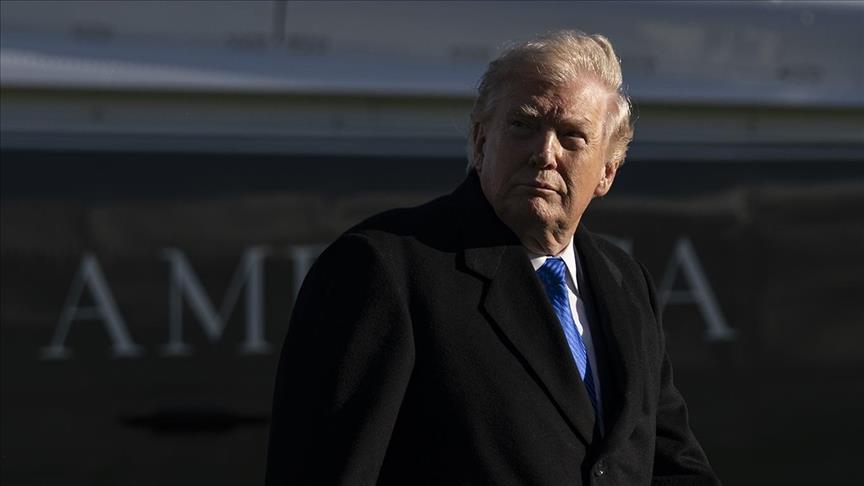
A renewed wave of geopolitical tension has emerged after former U.S. President Donald Trump issued a stark warning suggesting a possible naval blockade in response to escalating US - Iran tensions. The statement, made amid ongoing instability in the Gulf region in April 2026, has triggered global concern over energy security, military escalation, and the fragile state of international diplomacy.
While rhetoric has raised alarm across financial markets and diplomatic circles, analysts argue that the underlying strategic realities remain largely unchanged. The situation, they say, is less about immediate transformation and more about reinforcing an already volatile status quo.
The Blockade Threat and Its Immediate Fallout
The blockade threat emerged in the context of deteriorating relations following failed US - Iran peace talks and renewed disputes over maritime access in the Strait of Hormuz, one of the world’s most critical oil transit routes.
Reports indicated that Trump suggested the possibility of restricting Iranian maritime movement if tensions continued to escalate. The proposal quickly drew international attention due to the Strait of Hormuz’s strategic importance, through which nearly a fifth of global oil supply flows.
According to global energy analysts, even the suggestion of such a blockade was enough to push oil markets upward and heighten investor uncertainty.
Why the Threat Matters
1. Energy Security at Risk: The Strait of Hormuz is a lifeline for global energy markets. Any disruption, real or perceived, immediately affects oil prices and global inflation trends.
Following the threat of the blockade, oil prices surged as traders factored in the possibility of restricted supply routes. Even short-term volatility in this corridor can ripple through global economies, particularly in energy-importing nations.
2. Military Escalation Concerns: A blockade is not merely an economic tool; it is a military act.
Naval blockades are widely considered acts of war under international law. As such, Trump’s suggestion immediately raised concerns about confrontation between U.S. and Iranian forces in the Gulf region.
Military analysts warn that such rhetoric increases the likelihood of miscalculation, where a minor maritime incident could escalate into a broader conflict.
3. Diplomatic Breakdown Deepens: The blockade threat also reflects deeper diplomatic failure. Following collapsed negotiations earlier in April 2026, trust between Washington and Tehran is already severely strained.
Rather than opening new channels for negotiation, the threat reinforces hardline positions on both sides. Iran has historically responded to such pressure with defiance rather than concession, further reducing the likelihood of compromise.
Why the Situation Remains Unchanged
Despite the dramatic rhetoric, experts argue that the blockade threat does not significantly alter the strategic reality between the two nations.
1. Mutual Deterrence Still Holds: Both the United States and Iran remain constrained by mutual deterrence. Direct military confrontation would carry severe consequences for both sides, including regional instability and global economic shock.
As a result, neither side is likely to fully act on extreme threats, keeping the situation in a tense but stable equilibrium.
2. Global Dependence on Gulf Stability: The global economy is heavily dependent on uninterrupted oil flows from the Gulf region. This creates strong international pressure, particularly from Europe, Asia, and major energy importers to prevent escalation.
This global dependency acts as a stabilizing force, discouraging full-scale implementation of disruptive policies like a blockade.
3. Existing Sanctions Already Function as Pressure: The United States already maintains extensive sanctions on Iran’s economy, banking system, and energy exports.
In many ways, these sanctions already function as a “soft blockade,” limiting Iran’s access to global markets without requiring military enforcement.
Because of this, the proposed blockade changes little in practical terms - it largely reinforces existing pressure mechanisms rather than introducing new ones.
Global Reactions and Market Impact
The announcement triggered immediate reactions across financial and diplomatic spheres.
Oil markets reacted first, with prices climbing amid fears of supply disruptions. Investors shifted toward safe-haven assets, reflecting broader uncertainty in global markets.
European and Asian governments expressed concern, urging restraint and emphasizing the importance of maritime freedom. Energy-dependent countries warned that any escalation could trigger inflationary shocks and supply chain disruptions.
Despite the alarm, most diplomatic observers noted that the rhetoric did not immediately translate into policy action.
The Strategic Calculus Behind the Threat
Political analysts suggest that the blockade threat serves multiple strategic purposes:
Domestic Signaling
Strong rhetoric on Iran resonates with domestic political audiences, projecting toughness on national security and foreign policy.
Negotiation Pressure
Such statements may also be intended to pressure Iran into returning to negotiations under less favorable conditions.
Strategic Ambiguity
By keeping options open, the U.S. maintains leverage without committing to immediate military action.
However, this strategy carries risks. Ambiguity can be misinterpreted, increasing the chance of escalation through miscalculation.
What It Means for Iran
For Iran, the blockade threat reinforces existing perceptions of external pressure and containment.
Tehran is likely to interpret the statement as part of a broader strategy of coercion rather than a standalone policy shift. In response, Iran may double down on strengthening regional alliances and securing alternative trade routes.
Iranian officials have historically responded to similar threats by increasing military readiness in the Gulf and signaling willingness to defend maritime access.
What It Means for Global Stability
The broader implication of the blockade threat is not immediate change, but heightened instability.
1. Increased Risk of Accidental Conflict: With naval forces operating in proximity in the Gulf, the risk of accidental confrontation rises.
2. Economic Uncertainty: Even without action, the perception of instability can disrupt global markets, increase insurance costs for shipping, and affect investment decisions.
3. Long-Term Diplomatic Stalemate: Rather than advancing peace efforts, such threats may entrench existing positions, making future negotiations more difficult.
Conclusion: High Risk, Low Change
Donald Trump’s blockade threat has undeniably intensified global attention on the already fragile US - Iran relationship. It has rattled markets, raised fears of military escalation, and underscored the strategic importance of the Strait of Hormuz.
However, beneath the headlines, the core dynamics remain largely unchanged. Mutual deterrence, economic interdependence, and existing sanctions continue to define the relationship between the two countries.
In essence, the threat has increased the temperature but has not changed the structure of the conflict. The world remains in a familiar position: one of heightened risk, unstable peace, and unresolved tension.