Trump’s Beijing Diplomatic Visit: High-Stakes Talks End with Mixed Trade and Tech Outcomes
Donald Trump’s diplomatic visit to Beijing concluded with new trade and technology agreements, easing tensions with China but leaving key disputes over tariffs and AI chips unresolved. Elon Musk and Jensen Huang also attended.
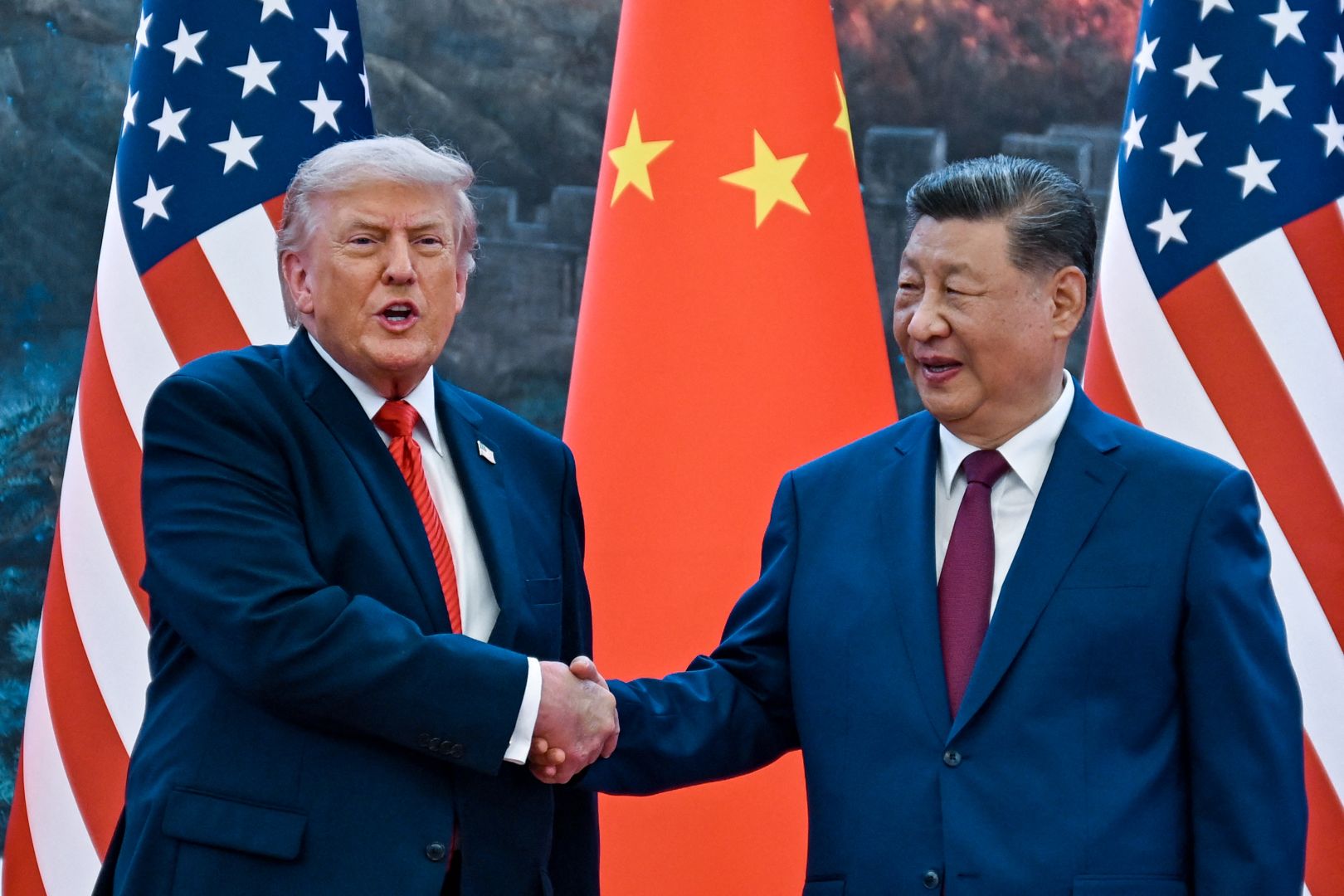
Donald Trump’s high-profile diplomatic visit to Beijing has concluded after several days of intense negotiations with Chinese President Xi Jinping, marking one of the most closely watched U.S.-China engagements in recent years.
The visit, which brought together top American business leaders and senior government officials, produced a mix of breakthroughs and unresolved tensions, particularly around trade tariffs, artificial intelligence regulation, and semiconductor exports.
Among the most talked-about figures in the delegation were Tesla CEO Elon Musk and Nvidia chief executive Jensen Huang, whose presence underscored the growing importance of technology diplomacy in global politics.
The summit took place in Beijing’s Great Hall of the People, where both leaders met for extended closed-door discussions before addressing limited parts of the press.
According to reports from Reuters, the talks focused heavily on stabilizing economic relations and preventing further escalation of trade restrictions. Reuters
Trade Agreements and Economic Commitments
One of the key outcomes of the visit was a renewed commitment from both Washington and Beijing to stabilize trade relations after years of fluctuating tariffs and retaliatory measures.
According to joint statements released at the end of the summit, both sides agreed to reduce certain agricultural and manufacturing tariffs for a trial period of six months while negotiations continue a broader trade framework. BBC News
Donald Trump described the agreement as “a step toward fair and balanced trade,” while Chinese officials emphasized “mutual respect and economic stability.”
The deal also includes expanded Chinese purchases of U.S. agricultural products, particularly soybeans, wheat, and corn: an area that has historically been sensitive in bilateral negotiations.
However, analysts noted that the agreement stops short of addressing deeper structural trade disputes, such as intellectual property protections and state subsidies. The Guardian
Technology and AI at the Center of Talks
A major focus of the Beijing visit was the global competition in artificial intelligence and semiconductor technology.
NVIDIA CEO Jensen Huang played a key advisory role in discussions surrounding advanced chip exports and AI infrastructure.
China has been seeking greater access to high-performance AI chips, while U.S. regulators have imposed restrictions citing national security concerns.
Although no final deal was reached, both sides agreed to establish a “technology dialogue mechanism” aimed at preventing further escalation of export controls and encouraging limited collaboration in non-sensitive AI research.
Elon Musk also reportedly participated in side meetings focused on electric vehicles, battery supply chains, and satellite internet expansion through Starlink. CNBC
Diplomatic Tone and Strategic Messaging
The tone of the summit was notably more restrained compared to previous years of sharp rhetoric between Washington and Beijing.
President Xi Jinping emphasized stability, warning against “decoupling” the two largest economies in the world. Trump, meanwhile, stressed the importance of “economic realism” and “mutual benefit.”
The leaders agreed to maintain regular communication channels between senior economic and security officials to reduce the risk of misunderstandings.
Business Leaders Shape the Conversation
The presence of major U.S. executives added a new dimension to the diplomatic visit.
Alongside Musk and Huang, other business leaders reportedly included executives from aerospace, banking, and investment sectors, reflecting the broad economic stakes tied to U.S.-China relations.
Private meetings between Chinese officials and American CEOs focused on market access, investment rules, and regulatory transparency. However, critics in Washington raised concerns that allowing corporate leaders into high-level diplomacy could blur the lines between national security policy and private business interests.
Market Reaction and Global Impact
Global financial markets reacted cautiously to the outcomes of the visit.
Asian stock markets saw modest gains following the announcement of tariff reductions, while technology stocks experienced mixed performance due to uncertainty surrounding semiconductor export rules.
Unresolved Issues Remain
Despite diplomatic progress, several major issues remain unresolved:
- Restrictions on advanced AI chip exports
- Taiwan security concerns
- Cybersecurity and data governance disputes
- Long-term tariff structures
- Military activity in the Indo-Pacific region
Conclusion: A Step Forward, But Not a Breakthrough
Donald Trump’s Beijing visit has been widely described as a diplomatic reset rather than a full reconciliation.
While the summit produced measurable progress in trade easing and communication channels, it fell short of delivering major structural agreements on technology or security.
Still, the involvement of influential figures like Elon Musk and Jensen Huang highlights how deeply intertwined global business and geopolitics have become.
As both nations prepare for continued negotiations, the world will be watching closely to see whether this fragile momentum can evolve into lasting stability or whether it is merely a temporary pause in an ongoing strategic rivalry.