Trump’s 48-Hour Ultimatum to Iran Over Strait of Hormuz, Sparks Global Alarm
U.S. President Donald Trump threatens to strike Iran’s energy infrastructure if the Strait of Hormuz is not fully reopened within 48 hours, escalating global tensions and raising fears of an energy crisis.
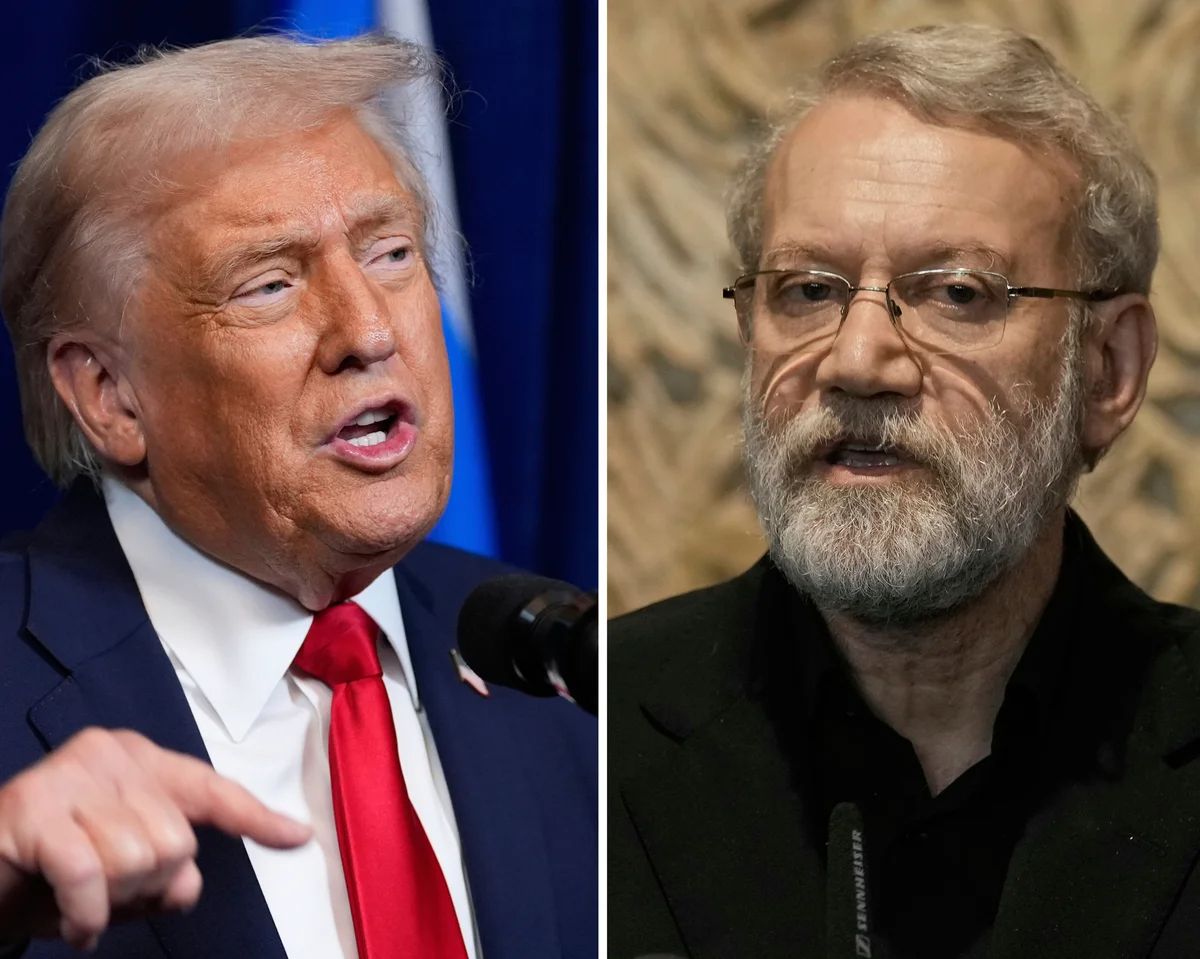
Global tensions surged dramatically in mid-March 2026 after U.S. President Donald Trump issued a stark ultimatum to Iran: fully reopen the Strait of Hormuz to international shipping within 48 hours or face devastating military strikes.
The warning marks one of the most dangerous escalations in the ongoing U.S.-Iran conflict, placing a critical global energy chokepoint at the center of a potential wider war. The crisis has already disrupted oil markets, shipping routes, and diplomatic relations, with far-reaching implications for the global economy.
Trump’s Ultimatum: “Open the Strait or Face Destruction”
On March 22, 2026, Trump publicly warned that the United States would “obliterate” Iran’s power infrastructure if Tehran failed to guarantee unrestricted shipping through the Strait of Hormuz. (Axios)
The ultimatum, delivered via official channels and social media, emphasized that the U.S. would begin with strikes on Iran’s largest power plants. (The Daily Star)
The move represented a significant shift in tone, transforming what had been a regional conflict into a high-stakes confrontation centered on global energy security.
Why the Strait of Hormuz Matters
The Strait of Hormuz is one of the most strategically vital waterways in the world. Roughly 20% of global oil supply passes through the narrow channel linking the Persian Gulf to international markets. (Wikipedia)
Any disruption partial or total can trigger immediate spikes in oil prices, supply shortages, and economic instability worldwide.
By mid-March, shipping traffic through the strait had reportedly dropped by as much as 95%, leaving thousands of seafarers stranded and supply chains severely disrupted. (The Times of India)
Iran’s Response: Defiance and Counter-Threats
Iran rejected the U.S. ultimatum and instead issued its own warnings. Officials insisted that the strait remained open, but only to countries not considered hostile. Following Trump’s threat, Iran’s Revolutionary Guards escalated rhetoric, warning they could completely shut down the waterway if attacked. Tehran also threatened to target U.S.-linked infrastructure across the Middle East, including energy facilities in allied Gulf states. (Reuters)
This tit-for-tat escalation has raised fears of a broader regional conflict involving multiple actors.
Military Build-Up and War Signals
The ultimatum has been accompanied by a significant U.S. military buildup in the region. Reports indicate the deployment of thousands of troops, advanced fighter jets, and amphibious assault units. (The Washington Post)
The United States has also intensified air operations targeting Iranian assets believed to be obstructing shipping lanes.
In addition, the Trump administration has explored the possibility of seizing strategic Iranian oil infrastructure, such as Kharg Island, to force compliance.
These moves suggest that Washington is prepared to back its ultimatum with decisive military action.
Global Energy Markets on Edge
The crisis has already begun to shake global energy markets. Oil prices surged past $100 per barrel amid fears of prolonged disruption.
Major energy companies have been forced to adjust operations. For instance, UAE-based ADNOC Gas modified output due to shipping disruptions linked to the conflict.
Analysts warn that a full closure of the Strait of Hormuz could trigger a global energy crisis, particularly affecting oil-importing regions in Asia and Europe.
International Reactions and Diplomatic Efforts
Global powers have responded with a mix of concern and caution. Several countries, including European and Asian nations, have discussed joint efforts to secure the strait, though consensus remains elusive.
The United Nations has called for de-escalation, urging all parties to keep the waterway open and avoid actions that could destabilize global trade.
Despite these efforts, diplomatic progress has been slow, with both Washington and Tehran maintaining hardline positions.
Economic and Humanitarian Fallout
Beyond geopolitics, the crisis is already affecting ordinary lives. Thousands of seafarers remain stranded due to disrupted shipping routes, while industries dependent on oil and gas face rising costs.
Insurance premiums for vessels transiting the region have surged, further discouraging commercial shipping.
If the standoff continues, experts warn of cascading effects on food prices, transportation costs, and global inflation.
Strategic Calculations: Pressure vs. Risk
Trump’s strategy appears aimed at removing Iran’s leverage by forcing open the strait, which Tehran has used as a bargaining tool in the conflict. (TIME)
However, analysts caution that such a move carries significant risks. Military action could provoke wider retaliation, potentially igniting a full-scale regional war involving multiple countries and non-state actors.
Iran, for its part, has demonstrated its ability to disrupt shipping through mines, missile strikes, and naval tactics, making any military solution complex and costly.
Conclusion: A Flashpoint for Global Crisis
The standoff over the Strait of Hormuz has become a defining moment in the 2026 geopolitical landscape. Trump’s 48-hour ultimatum underscores the strategic importance of the waterway and the high stakes involved in controlling it.
With both sides unwilling to back down, the world now watches closely as the deadline looms. The outcome could determine not only the trajectory of the U.S.-Iran conflict but also the stability of global energy markets and international security.