Trump Rejects Iran’s Latest Peace Proposal as Tensions Over War Continue
U.S. President Donald Trump is reportedly unhappy with Iran’s latest proposal to end the ongoing war, raising fears of prolonged conflict, oil market volatility, and stalled nuclear negotiations.
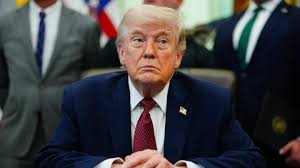
U.S. President Donald Trump has reportedly rejected Iran’s latest proposal aimed at ending the ongoing war, signaling a fresh setback in diplomatic efforts to calm one of the most dangerous geopolitical crises of 2026. According to U.S. officials, Trump is dissatisfied with Tehran’s newest offer because it postpones negotiations over Iran’s nuclear program until after the fighting ends and shipping disputes in the Gulf are resolved.
The rejection has dimmed hopes for a quick peace agreement and raised concerns that the conflict which has already disrupted global energy supplies, fueled inflation, and caused thousands of deaths, could drag on for weeks or even months. (Reuters)
Why Trump Rejected Iran’s Proposal
According to reports, Iran’s latest plan proposes a phased process to de-escalate the conflict. Tehran reportedly offered to reopen the Strait of Hormuz, ease maritime tensions, and pursue a ceasefire before moving into discussions on nuclear enrichment and broader security issues. (Al Jazeera)
However, Trump and senior U.S. officials insist that Iran’s nuclear ambitions must be addressed immediately and cannot be deferred until later rounds of talks. A U.S. official briefed on the White House meeting said Trump wants the nuclear issue settled “from the outset,” making Tehran’s sequencing unacceptable.
White House spokesperson Olivia Wales also said Washington had been clear about its “red lines” in efforts to end the war.
What Iran Is Offering
Iran’s latest diplomatic push appears designed to gain immediate relief from military and economic pressure while postponing its most sensitive concession, its nuclear program.
Reports indicate Tehran’s proposal includes:
- Reopening the Strait of Hormuz to commercial traffic
- Ending the U.S. naval blockade on Iranian ports
- Ceasefire arrangements involving U.S. and allied forces
- Later negotiations over uranium enrichment and nuclear oversight (The Times of India)
Iran has argued that trust must be rebuilt before nuclear talks can progress, particularly after the collapse of previous agreements.
Strategic Importance of the Strait of Hormuz
One major reason the negotiations matter so much is the Strait of Hormuz, a narrow waterway through which a significant portion of the world’s oil exports pass.
Since the conflict escalated, disruptions in Gulf shipping have rattled markets and pushed up crude prices. Investors fear any prolonged closure or military escalation in the Strait could trigger a global energy shock. (MarketWatch)
Iran’s willingness to reopen Hormuz is therefore seen as an attempt to regain diplomatic leverage while easing international pressure.
Impact on Global Oil Prices
Markets reacted quickly to reports that Trump was unhappy with Iran’s latest offer. Brent crude reportedly climbed above $111 per barrel, while U.S. benchmark crude also surged.
Analysts say traders had hoped a peace proposal might restore shipping flows and reduce regional risk premiums. Instead, the White House’s rejection signaled continued uncertainty.
Higher oil prices could worsen inflation globally, especially in fuel-importing countries already struggling with high transportation and food costs.
Diplomacy Still Alive - but Slowing
Despite the setback, diplomatic channels remain open.
Iranian Foreign Minister Abbas Araqchi has reportedly visited Pakistan, Oman, and Russia in recent days to gather support and revive mediation efforts. Regional governments remain eager to prevent a wider Middle East war that could destabilize trade routes and neighboring economies.
However, reports suggest the Trump administration recently canceled a planned diplomatic mission to Islamabad, a sign that Washington may be stepping back from immediate negotiations unless Iran improves its offer.
Domestic Political Pressure on Trump
The war is also becoming a political issue inside the United States.
Critics have questioned the administration’s shifting goals, with some arguing the conflict began over nuclear concerns but has since expanded into broader military and economic confrontation.
With approval ratings reportedly under pressure ahead of elections, Trump may be reluctant to accept any proposal that appears too soft on Tehran’s nuclear program.
That political reality may make compromise more difficult.
What Happens Next?
Several scenarios are now possible:
1. Iran Revises Its Proposal: Tehran could return with a new offer that places nuclear commitments earlier in the process.
2. Temporary Ceasefire Extension: Both sides may agree to extend the current pause in major hostilities while talks continue.
3. Renewed Escalation: If diplomacy collapses, military operations and maritime confrontations could intensify again.
4. Third-Party Mediation: Countries such as Oman, Pakistan, or Russia could attempt to broker a middle-ground formula acceptable to both sides.
Why This Matters Globally
This conflict is no longer just a bilateral dispute between Washington and Tehran. It now affects global oil and gas prices, shipping insurance and freight costs, inflation in emerging economies, security in the Gulf region, and financial market stability.
Any breakthrough would likely calm markets. Any collapse in talks could do the opposite.
A Delicate Standoff
Trump’s dissatisfaction with Iran’s latest peace proposal highlights the core obstacle in the crisis: sequencing.
Iran wants war issues solved first and nuclear issues later. The United States wants the reverse.
Until that gap narrows, peace remains uncertain.
For now, the world is watching whether both sides move closer to compromise or back toward confrontation.