Trump Rejects Iran’s Counterproposal to End Conflict, Calls Terms “Totally Unacceptable”
U.S. President Donald Trump has rejected Iran’s latest counterproposal aimed at ending regional conflict, describing the offer as “totally unacceptable.” The development raises fears of prolonged Middle East tensions, rising oil prices, and renewed geopolitical instability.
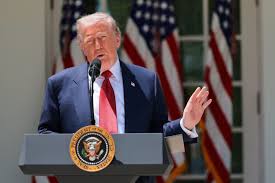
Tensions in the Middle East escalated sharply after U.S. President Donald Trump publicly rejected Iran’s latest counterproposal aimed at ending the ongoing regional conflict and restoring stability in the strategically important Strait of Hormuz.
Trump described Tehran’s response as “TOTALLY UNACCEPTABLE,” signaling a major setback to diplomatic efforts that had raised hopes of easing one of the world’s most dangerous geopolitical standoffs.
The rejection comes amid a fragile ceasefire, continued military threats, and growing fears that the conflict could spiral into a wider regional confrontation with severe global economic consequences.
According to multiple international reports, Iran submitted its response through Pakistani intermediaries after reviewing a U.S.-backed peace framework designed to reduce hostilities, reopen shipping routes, and initiate broader negotiations over Iran’s nuclear programme and regional military activities.
However, the Iranian counterproposal reportedly demanded sweeping concessions from Washington, including the lifting of sanctions, recognition of Iranian sovereignty over the Strait of Hormuz, compensation for war-related damages, and the release of frozen Iranian assets.
Iran also reportedly resisted demands for dismantling key nuclear facilities and sought more limited restrictions on uranium enrichment activities.
Trump immediately dismissed the proposal, accusing Tehran of continuing what he described as decades of political “games” with the international community. (Reuters)
Growing Diplomatic Deadlock
The latest breakdown highlights the deep mistrust between Washington and Tehran despite weeks of indirect negotiations.
The United States has reportedly insisted on stricter conditions involving long-term nuclear restrictions, enhanced international oversight, and guarantees that Iran would never acquire nuclear weapons capability.
Iran, on the other hand, has continued demanding security guarantees, sanctions relief, and an end to military pressure in the Gulf region.
Analysts say negotiations have become increasingly difficult because both sides view the conflict not only as a military struggle but also as a test of political leverage and regional influence.
While Trump’s administration appears determined to maintain maximum pressure on Tehran, Iranian leaders continue insisting that they will not accept terms they believe undermine national sovereignty.
The disagreement over the future of Iran’s nuclear programme remains one of the most sensitive issues in the negotiations. (New York Post)
Strait of Hormuz Remains Global Flashpoint
One of the biggest international concerns remains the continued instability surrounding the Strait of Hormuz, one of the world’s most important oil shipping routes.
The narrow waterway handles roughly one-fifth of global oil and liquefied natural gas supplies, making any disruption capable of triggering immediate global economic consequences.
Reports indicate that commercial shipping traffic remains heavily restricted, with some vessels turning off tracking systems to avoid potential attacks.
Recent drone incidents and maritime security threats involving Gulf nations have further heightened tensions in the region.
Security experts warn that prolonged instability in the Strait could push oil prices significantly higher and worsen inflation pressures already affecting economies around the world. (The Guardian)
Oil Markets React Nervously
Global financial markets responded cautiously following Trump’s rejection of the Iranian proposal.
Oil prices reportedly climbed sharply after investors feared the collapse of diplomatic talks could lead to prolonged disruptions in energy supplies.
Energy analysts say uncertainty in the Middle East often creates immediate pressure on global markets because of the region’s central role in oil production and shipping.
Several economists warned that sustained tensions could affect fuel prices, transportation costs, manufacturing, and broader economic recovery efforts worldwide.
Countries heavily dependent on imported fuel may face renewed inflationary pressure if the crisis continues escalating.
The development has also intensified concerns among European and Asian economies already struggling with slower growth and rising energy costs. (The Guardian)
Israel and Regional Allies Watching Closely
Israel remains deeply involved in the crisis, particularly regarding Iran’s nuclear programme and its support for regional armed groups.
Israeli Prime Minister Benjamin Netanyahu has reportedly maintained that the conflict cannot truly end unless Iran’s nuclear ambitions are permanently curtailed.
Meanwhile, Gulf countries, including Saudi Arabia, the United Arab Emirates, and Qatar continue monitoring developments carefully due to fears that escalating tensions could destabilize the wider region.
Several regional governments have called for restraint and renewed diplomatic engagement to prevent broader military confrontation.
However, repeated drone incidents and maritime attacks suggest that the ceasefire remains extremely fragile. (The Guardian)
What Does Going Forward Mean
Trump’s rejection of Iran’s counterproposal significantly reduces the likelihood of a quick diplomatic breakthrough.
Analysts believe several possible outcomes may emerge in the coming weeks.
First, negotiations could continue indirectly through mediators such as Pakistan, China, or other regional actors hoping to prevent a full-scale conflict.
Second, military tensions may intensify if either side believes diplomacy has failed completely. Experts warn that additional strikes, cyberattacks, or maritime confrontations remain possible.
Third, global energy markets are likely to remain volatile as long as uncertainty persists around the Strait of Hormuz and Middle East security.
The situation also carries important political implications for Trump domestically. Rising fuel prices and prolonged international instability could influence public opinion ahead of upcoming political battles in the United States.
For Iran, continued sanctions and economic isolation may deepen internal economic pressures, though leaders appear determined to avoid appearing weak under international pressure.
Fragile Peace Efforts Face Uncertain Future
Despite the harsh rhetoric, diplomats and international observers continue hoping that backchannel negotiations may still prevent a larger regional war.
History has shown that U.S.-Iran relations often move through cycles of confrontation and negotiation, with both sides occasionally returning to diplomacy after periods of heightened tension.
However, the latest developments suggest that trust between Washington and Tehran remains extremely limited.
For now, the rejection of Iran’s proposal has added another layer of uncertainty to an already volatile Middle East, with consequences likely to affect global security, energy markets, and international diplomacy for months to come.