Tropical Storm Bertha Threatens US Gulf Coast as Heavy Rain, Flooding and Strong Winds Loom
Tropical Storm Bertha is threatening the U.S. Gulf Coast with heavy rainfall, strong winds, coastal flooding and dangerous storm surges. Weather officials have issued warnings urging residents to prepare as the storm approaches.
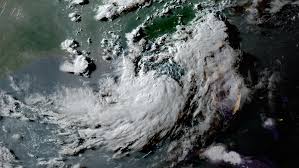
Tropical Storm Bertha is threatening the United States Gulf Coast, prompting weather officials to issue warnings for heavy rainfall, damaging winds, coastal flooding and dangerous storm surges as the system moves toward the region.
The U.S. National Hurricane Center (NHC) said Bertha has strengthened over warm Gulf waters and is expected to bring hazardous weather conditions to parts of Texas, Louisiana, Mississippi, Alabama and Florida's Gulf Coast over the coming days.
Emergency management agencies have urged residents in vulnerable communities to closely monitor weather updates and prepare for possible evacuations if conditions deteriorate.
Forecasters warned that even if Bertha does not reach hurricane strength before landfall, its slow movement and abundant tropical moisture could produce life-threatening flash floods across several states.
Storm Gains Strength
According to the National Hurricane Center, Tropical Storm Bertha formed after a tropical disturbance organized over the Gulf of Mexico and gradually intensified.
Meteorologists reported that the storm was packing sustained winds strong enough to qualify as a named tropical storm, with additional strengthening remaining possible depending on environmental conditions.
The storm is moving generally toward the northern Gulf Coast, where warm sea surface temperatures could provide additional energy.
Forecasters emphasized that changes in the storm's track or intensity remain possible and urged residents not to focus solely on the projected path.
Instead, officials advised communities across the wider Gulf Coast to remain prepared for rapidly changing conditions.
Heavy Rainfall a Major Concern
While strong winds pose a significant threat, meteorologists say flooding from torrential rainfall may become Bertha's greatest hazard.
The National Weather Service warned that some locations could receive several inches of rain within a short period, increasing the risk of flash flooding, especially in low-lying urban areas.
Rivers, streams and drainage systems could quickly overflow if rainfall becomes prolonged.
Emergency officials cautioned motorists against attempting to drive through flooded roadways, reminding residents that even shallow floodwater can be extremely dangerous.
Authorities also warned of possible landslides in elevated terrain where saturated soils become unstable.
Coastal Flooding and Storm Surge Risk
Communities along the Gulf Coast are also preparing for potential storm surge.
Strong onshore winds could push seawater inland, flooding coastal neighborhoods, highways and businesses.
Emergency managers are closely monitoring tide levels and have urged residents in surge-prone areas to review evacuation plans.
Officials stressed that storm surge often represents one of the deadliest hazards associated with tropical systems because water levels can rise rapidly with little warning.
Mariners have also been advised to remain in port until conditions improve.
States Activate Emergency Plans
Several Gulf Coast states have activated emergency response measures ahead of Bertha's arrival.
Emergency management agencies have positioned rescue teams, utility crews and relief supplies in strategic locations.
Local governments are reviewing evacuation routes, preparing emergency shelters and coordinating with federal authorities to ensure rapid deployment of assistance if needed.
Schools and public facilities in some coastal communities are also monitoring the situation and preparing contingency plans should weather conditions worsen.
Officials urged residents to complete preparations before the storm reaches land.
Residents Urged to Prepare
Authorities are encouraging households to assemble emergency kits containing food, drinking water, medications, flashlights, batteries and important documents.
Residents have also been advised to secure outdoor furniture, trim weak tree branches and charge mobile devices ahead of possible power outages.
People living in mobile homes or flood-prone locations have been urged to consider relocating if evacuation orders are issued.
Emergency agencies stressed that early preparation remains the most effective way to reduce storm-related risks.
Airlines and Offshore Operations Monitor Storm
The approaching tropical storm has prompted airlines to monitor flight schedules across Gulf Coast airports.
Some offshore oil and gas operators are also reviewing contingency plans as Bertha approaches production platforms in the Gulf of Mexico.
Energy companies frequently suspend offshore operations and evacuate non-essential personnel when tropical storms threaten the region.
Any significant disruption to offshore production could have implications for energy markets if the storm intensifies further.
Port authorities are likewise assessing shipping activities to ensure maritime safety.
Hurricane Season Remains Active
Bertha is another reminder that the Atlantic hurricane season remains highly active.
Meteorologists have repeatedly warned that above-average ocean temperatures could contribute to a busy season with multiple tropical systems.
The Gulf Coast is particularly vulnerable because warm Gulf waters often provide favorable conditions for rapid storm development.
Weather experts encourage residents in hurricane-prone regions to maintain preparedness throughout the season rather than waiting until storms approach.
Climate Experts Highlight Growing Risks
Climate scientists note that warmer ocean temperatures can increase the amount of moisture available to tropical systems, potentially leading to heavier rainfall events.
Although no single storm can be directly attributed to climate change, researchers say changing climate conditions are contributing to increased risks of extreme weather.
Emergency planners continue emphasizing the importance of resilient infrastructure, improved drainage systems and stronger disaster preparedness measures to reduce future impacts.
Authorities Continue Monitoring
The National Hurricane Center will continue issuing regular advisories as Bertha moves toward the Gulf Coast.
Meteorologists expect forecast updates regarding the storm's path, intensity and rainfall potential to evolve as additional data becomes available.
Residents are encouraged to rely on official weather agencies rather than rumors circulating on social media.
Emergency officials stressed that preparedness and timely response remain essential to minimizing loss of life and property damage.
As Tropical Storm Bertha advances across the Gulf of Mexico, millions of Americans are closely watching its progress while hoping the system weakens before reaching land.
For now, authorities remain focused on protecting lives through early warnings, coordinated emergency planning and continuous monitoring of one of the latest tropical threats facing the Gulf Coast. (Reuters)