Troops Rout Lakurawa Fighters, Destroy Terrorist Camps in Sokoto Forest
Nigerian troops under Operation Fansan Yamma have routed Lakurawa fighters in Sokoto’s Waria Forest, destroyed terrorist camps and recovered weapons and five motorcycles during a clearance operation.
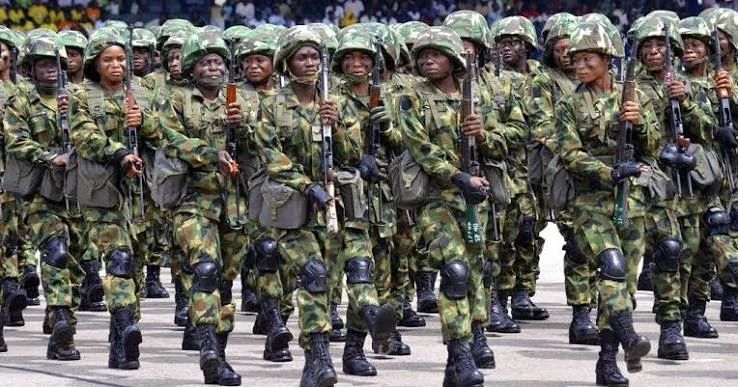
Nigerian troops have dealt a fresh blow to the Lakurawa armed group in Sokoto State, neutralising several fighters and destroying their camps during a military clearance operation in Waria Forest, Tangaza Local Government Area.
The operation, conducted on Thursday, October 15, 2026, also resulted in the recovery of weapons and five motorcycles believed to have been used by the fighters, according to the Nigerian military. The offensive forms part of ongoing efforts to dismantle terrorist hideouts, restrict the movement of armed groups and improve security across Nigeria’s North-West region.
The latest development was disclosed by Lieutenant Colonel Aliyu Danja, Media Information Officer of the Joint Task Force North-West, Operation Fansan Yamma, in a statement issued on Thursday.
The military said the troops overwhelmed the fighters during a gun battle, forcing them to abandon their positions and flee deeper into the forest. Soldiers pursued the retreating fighters, killing some of them before proceeding to destroy the camps and associated support structures.
The military did not disclose the exact number of fighters killed or provide a detailed inventory of the weapons recovered.
How troops overran the Lakurawa hideouts
According to the military statement, troops of Sector 2 advanced through identified terrorist hideouts around Alela, Bilange and Kandam villages before moving towards Waria Forest, where they encountered the armed group.
The advancing troops engaged the fighters in a firefight, eventually gaining the upper hand through superior firepower. The pressure forced the armed men to abandon their positions and retreat further into the forest.
Rather than ending the operation after the initial encounter, the troops pursued the fleeing fighters and continued searching the area.
The subsequent clearance led to the destruction of the camps and their associated life-support facilities, which the military said were used to sustain the group's presence in the area.
Weapons and five motorcycles were also recovered during the operation.
The military described the offensive as part of its broader campaign to dismantle terrorist enclaves and prevent armed groups from using remote forest locations as safe havens. (Punch Newspapers)
Operation Fansan Yamma intensifies security operations
Operation Fansan Yamma is a joint military operation focused on tackling terrorism, banditry and other security threats in Nigeria’s North-West.
The operation’s activities in Sokoto and neighbouring states are particularly important because armed groups have exploited remote settlements, forest corridors and porous border areas to move personnel, obtain supplies and establish hideouts.
The military said troops had maintained a sustained operational presence in the affected area, combining clearance missions with efforts to dominate the terrain and deny terrorists freedom of movement.
Destroying camps is a significant component of this strategy. Beyond the immediate casualties inflicted during a firefight, the destruction of accommodation, storage facilities and other support structures can make it more difficult for armed groups to maintain a permanent presence in a location.
However, the long-term impact depends on whether security forces can prevent surviving fighters from rebuilding their camps, relocating to other communities or establishing alternative supply routes.
The latest offensive therefore represents an operational gain, but its lasting significance will depend on continued military pressure and improvements in security across surrounding communities.
Lakurawa remains a security concern in the North-West
The Lakurawa group has emerged as a significant security concern in parts of north-western Nigeria, particularly in Sokoto and Kebbi states.
Its activities have raised concerns about the safety of rural communities, cross-border movements and the ability of armed groups to establish footholds in remote areas where access to government services and security personnel may be limited.
The group's presence has also drawn attention to the wider security challenges confronting communities near Nigeria's international borders.
In January 2026, The Guardian reported on continuing questions surrounding US airstrikes targeting Lakurawa-linked camps in north-western Nigeria during December 2025. The report highlighted uncertainty over casualty figures, the group's affiliations and the wider consequences of military action. (The Guardian).
These developments illustrate the complexity of addressing armed groups whose activities can extend across remote border regions and intersect with wider extremist and criminal networks.
For Nigerian authorities, the challenge extends beyond defeating fighters in direct confrontations. It also involves disrupting recruitment, limiting access to weapons, preventing the establishment of new camps and restoring confidence among residents who have experienced insecurity.
Military urges residents to provide intelligence
Following the latest operation, the military commended the participating troops for their courage, resilience and sustained operational efforts.
It also appealed to residents to provide timely and credible information about suspicious movements and activities in their communities.
Local intelligence can be important in identifying unfamiliar armed individuals, locating suspected hideouts and alerting security personnel to possible attacks. Residents who know the terrain and understand local movement patterns may also help security agencies identify threats that are difficult to detect through patrols alone.
However, cooperation must be supported by appropriate safeguards, including the protection of informants and responsible handling of security-related reports.
Authorities must also ensure that information is verified before action is taken, reducing the risk of mistaken identification or harm to innocent residents.
The appeal for public cooperation reflects the importance of combining military operations with community participation in efforts to address persistent insecurity.
What the operation means for communities in Sokoto
For residents of Tangaza and neighbouring communities, the destruction of the Lakurawa camps could help reduce the immediate threat posed by fighters operating from Waria Forest.
Nevertheless, military success should ultimately be measured not only by the number of camps destroyed or fighters neutralised, but also by whether residents can return to their farms, travel safely, conduct business and go about their daily activities without fear.
Sustained security will require continued patrols, reliable intelligence, effective border monitoring and coordination between the military, police, local authorities and community leaders.
The government must also address the conditions that allow armed groups to exploit vulnerable communities, including limited economic opportunities, weak public infrastructure and gaps in access to essential services.
Such measures cannot replace security operations, but they can complement them by strengthening community resilience and reducing opportunities for armed groups to establish influence.
There is also a need for transparent communication about military operations. While operational secrecy is sometimes necessary, credible updates on security improvements can help residents understand developments in their communities and assess whether the threat is declining.
Conclusion: A tactical victory, with more work ahead
The routing of Lakurawa fighters and destruction of their camps in Waria Forest represent another offensive against armed groups operating in Sokoto State.
The recovery of weapons and five motorcycles, together with the destruction of the group's support structures, demonstrates the immediate results reported by Operation Fansan Yamma.
Yet the military has not disclosed the precise number of fighters killed, and the operation's wider impact remains to be established.
The priority now is to sustain pressure on the group, prevent surviving fighters from regrouping and ensure that surrounding communities experience lasting improvements in security.
For Nigeria's broader counterterrorism campaign, the ultimate objective must be more than clearing forest hideouts. It must be to make those areas safer for civilians and prevent armed groups from returning to threaten the people who live there.
As military operations continue across the North-West, the effectiveness of the campaign will depend on whether tactical gains translate into lasting peace, safer communities and restored public confidence.