Tragedy in Katsina: Four Dead, 18 Injured in Ramadan Alms Stampede
Four people have died, and 18 others were injured in a devastating stampede during Ramadan alms distribution in Katsina State, Nigeria. Learn what happened, causes, responses, and safety lessons.
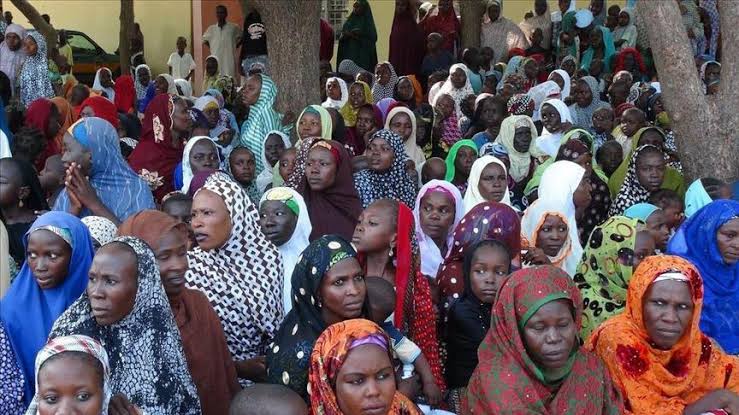
A joyous and charitable event turned into a tragic disaster in Katsina State, Nigeria, on February 26, 2026, when a stampede during Ramadan alms (Zakkat) distribution claimed lives and left many injured. The incident underscores the urgent need for better crowd control and safety planning during large public charity events - especially during Islamic holy periods when gatherings can swell unexpectedly.
What Happened in Katsina?
At about 9:00 p.m. on Thursday, February 26, a large crowd assembled at the residence of prominent philanthropist Alhaji Dahiru Usman Sarki in the Kofar Guga Quarters of Katsina metropolis to receive the annual Ramadan Zakkat (alms) distribution - a traditional act of charity during the Muslim holy month.
According to security analysts and local reports, the tragedy began when some individuals allegedly forced their way into the compound, leading to chaos and panic as more people surged forward to access the distribution area. The overwhelming crowd, limited space, and lack of formal crowd management triggered a stampede - a sudden, uncontrolled rush of people squeezing and pushing toward an exit or narrow point.
Police were called to the scene, and officers from the Central Police Station in Katsina rapidly deployed to restore order, but not before the tragic outcome. (Punch Newspapers)
Casualties and Injuries
Medical officials confirmed that four people died as a result of the stampede, while at least 18 others sustained injuries of varying degrees. The deceased were identified as Bilkisu Mamman, 40 (Kerau Quarters), Ihsan Musbahu, 40 (Abattoir Quarters), Aisha Sani, 16 (Kofar Sauri Quarters), and Salamatu Kabir, 45 (Sabuwar Unguwa Quarters).
Additionally, 15-year-old Hafsat Zubairu of Masanawa Quarters was referred to the Federal Teaching Hospital Katsina for further evaluation after sustaining serious injuries. The victims included several women and a teenager, highlighting the vulnerability of families and youth in mass crowd situations. (Naija News)
Immediate Response and Investigation
Upon hearing about the commotion, the Katsina State Police Command responded promptly. Officers restored calm and facilitated the transport of the injured to the General Hospital, Katsina, where they received medical attention; tragically, four of them later succumbed to their injuries.
Law enforcement officials have since invited the organizers of the Zakkat distribution for questioning to better understand how security planning, crowd control, and event coordination were handled. (abujapress.com)
The Police Public Relations Officer in Katsina called for improved planning and urged individuals or groups planning large distributions to notify the police in advance so that adequate security and crowd management arrangements can be made to protect lives and maintain order.
Why Stampedes Happen and the Risks
Stampedes are a recurring risk in many parts of the world, wherever large numbers of people gather in confined spaces without proper crowd control measures. While religious and charitable events are meant to uplift communities, inadequate planning can turn compassion into catastrophe.
In Nigeria and globally, similar tragedies have occurred at food, donation, or celebration events where organizers underestimated crowd size or lacked coordinated security, medical, and logistical support. Such events become high-risk when attendees outnumber available space, exits are limited, and crowd movement becomes unpredictable.
Safety Challenges During Ramadan Events
The holy month of Ramadan is a period of spiritual reflection, fasting, and charity for Muslims. During this time, distributions of food, alms, Zakkat, and other support services are common. While these acts of charitable generosity are vital - especially amid economic hardship - they can draw large crowds in contexts marked by poverty, food insecurity, and limited access to social services.
In Katsina State - where ongoing socio-economic pressures such as high child malnutrition rates and food insecurity have been reported - events like alms distribution are both crucial and likely to attract significant turnout. (Premium Times Nigeria)
However, without thoughtful planning, crowd control measures (like proper queuing areas), collaboration with security agencies, and communication to attendees about safety protocols, well-intended events can become unsafe.
Calls for Better Planning and Coordination
In the wake of the Katsina tragedy, residents, community leaders, and safety advocates are calling on authorities, philanthropic organizations, and community influencers to rethink how large charitable distributions are organized.
Suggestions include:
- Coordinating with the police and emergency services ahead of time
- Establishing designated staging areas with controlled entries and exits
- Issuing clear public announcements about distribution times and locations
- Training volunteers on crowd management and emergency response
Such measures aim to prevent future loss of life and ensure that charitable events remain expressions of generosity - not sources of harm.
Grief and Community Impact
The loss of four lives - including adults and a teenager - has deeply affected families and communities in Katsina metropolis. Community members have expressed sorrow and urged local authorities to take proactive measures to prevent similar occurrences in future religious and social gatherings.
Beyond the immediate tragedy, the incident highlights larger societal challenges relating to urban crowd safety, welfare distribution, and resource scarcity.
Looking Forward: Lessons and Reforms
As investigators continue to examine how and why the stampede occurred, authorities at the local and state levels will likely emphasize better coordination between philanthropists, religious leaders, community organizers, and security personnel.
Improving crowd safety protocols is not just relevant for Ramadan alms distribution - it’s essential for all large public events, including festivals, political rallies, markets, and cultural performances.
By implementing clear safety standards and ensuring collaboration with law enforcement and civil protection agencies, authorities and community leaders can help prevent tragic incidents like the one in Katsina from recurring.