Tinubu Secures APC Presidential Ticket in High-Stakes Convention, Consolidating Party Control Ahead of Next General Election
President Bola Ahmed Tinubu has emerged as the APC presidential candidate after a tightly contested national convention in Abuja, strengthening his hold on the ruling party ahead of Nigeria’s next general election.
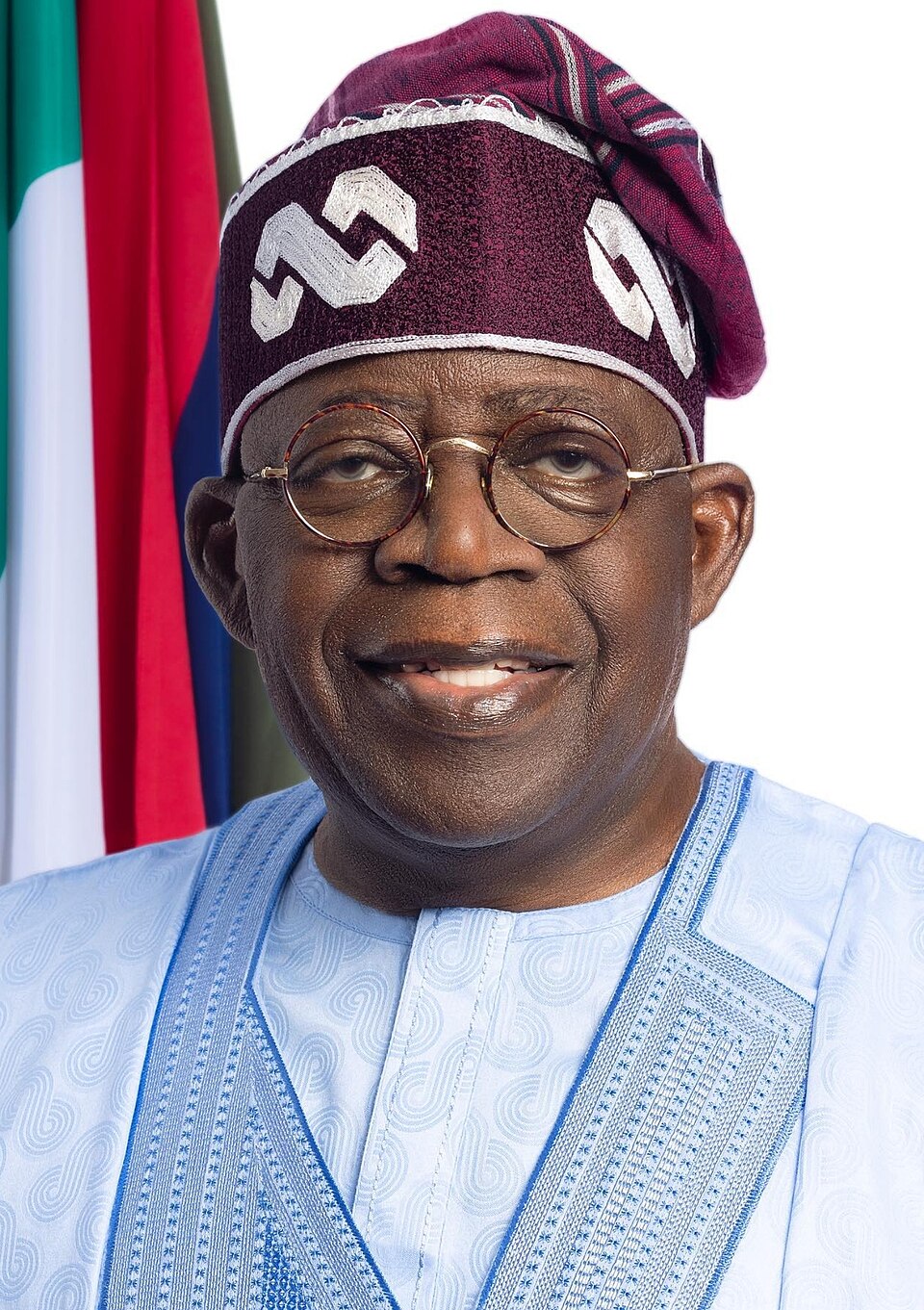
President Bola Ahmed Tinubu has officially clinched the presidential ticket of the All-Progressives Congress (APC) following a high-stakes national convention held in Abuja, marking a decisive moment in Nigeria’s political landscape and positioning him as the ruling party’s flagbearer for the next general election.
The convention, which drew thousands of delegates from across Nigeria’s 36 states and the Federal Capital Territory, ended late on Saturday night after a tense but largely orderly voting process that reaffirmed Tinubu’s dominance within the party structure.
Announcing the results, the APC National Convention Committee declared Tinubu the winner with a wide margin over other aspirants who had earlier signaled interest in challenging for the party’s top ticket.
A Convention Defined by Power Politics and Party Unity
The APC presidential primary was held amid intense political negotiations, backroom alliances, and last-minute withdrawals that ultimately shaped the outcome of the race.
Delegates gathered at the Eagle Square venue in Abuja, where heightened security measures were put in place as party leaders, governors, ministers, and political heavyweights converged to determine the direction of the ruling party.
From early indications, Tinubu’s candidacy enjoyed strong institutional backing, particularly from key state governors and influential blocs within the party’s National Working Committee.
Several aspirants reportedly stepped down shortly before voting commenced, further consolidating Tinubu’s path to victory and reducing the race's competitiveness.
Party insiders described the outcome as the result of “months of strategic consultations and political realignments” aimed at maintaining party cohesion ahead of the general election.
Voting Process and Announcement of Results
Voting began in the afternoon and continued into the evening under strict supervision by electoral officials and party observers.
Delegates were accredited and issued ballot papers before casting their votes in a process that observers described as largely peaceful, though highly politically charged.
After collation, the APC electoral committee announced Tinubu as the clear winner, securing a decisive majority of the votes cast.
The announcement was met with loud celebrations from his supporters, who waved party flags and chanted slogans praising the former Lagos State governor.
Tinubu, in his acceptance speech, thanked party members for their confidence in his leadership and promised to focus on national development, economic reform, and party unity.
Tinubu’s Acceptance Speech: Unity and Economic Reform at the Forefront
Addressing delegates shortly after his victory was confirmed, Tinubu described the moment as a “renewed mandate to strengthen Nigeria’s democratic journey and economic transformation.”
He emphasized the need for continuity in governance, arguing that the APC had laid a foundation for long-term reforms that must not be disrupted.
“We must remain united as a party and as a nation. Our task is not just to win elections, but to deliver prosperity, security, and stability for all Nigerians,” Tinubu said.
He also pledged to intensify efforts in tackling inflation, improving infrastructure, and attracting foreign investment to Nigeria’s struggling economy.
Political analysts say the speech was carefully crafted to appeal to both party loyalists and undecided voters ahead of the general election.
Internal Party Dynamics and Strategic Alliances
Tinubu’s emergence as APC flagbearer reflects months of intense internal negotiations within the ruling party.
Sources within the party revealed that zoning arrangements, regional power balancing, and loyalty structures played a significant role in shaping delegate support.
The APC, which has governed Nigeria since 2015, has faced internal tensions in recent years over leadership succession and regional representation.
However, party leaders worked to avoid a divisive primary that could weaken its chances in the general election.
Several prominent political figures reportedly brokered last-minute consensus deals that helped consolidate support around Tinubu’s candidacy.
Opposition and Political Reactions
The opposition parties quickly reacted to Tinubu’s emergence, describing it as a continuation of the status quo and calling for a more competitive electoral environment.
Leaders of major opposition parties argued that Nigeria needed fresh leadership and renewed policy direction to address rising economic and security challenges.
Civil society groups also weighed in, urging all political actors to prioritize issue-based campaigns rather than personality-driven politics.
Meanwhile, Tinubu’s supporters described the victory as a validation of his long-standing influence in Nigerian politics and his role in shaping the APC’s structure since its formation in 2013.
Security and Electoral Oversight at the Convention
Security agencies deployed heavily around Eagle Square and surrounding areas to prevent disruptions during the convention.
Police, civil defense personnel, and private security operatives worked together to ensure a peaceful environment for delegates and observers.
Election monitors from within the party and independent observers confirmed that the process remained largely transparent, though they noted the usual intensity associated with high-level political contests in Nigeria.
Political Analysts Weigh In
Political commentators say Tinubu’s victory is significant not only for the APC but also for Nigeria’s broader political direction.
Analysts argue that his candidacy represents continuity in economic policy but may also face scrutiny over governance challenges such as inflation, unemployment, and insecurity.
Others suggest that the real test will come during the general election campaign, where opposition parties are expected to intensify their challenge.
According to political experts, Tinubu’s strength lies in his political network, experience in coalition-building, and strong influence across key voting blocs in the country.
Road to the General Election
With the APC presidential ticket secured, attention now shifts to the national campaign season.
Tinubu is expected to begin nationwide consultations, rally support across geopolitical zones, and unveil his policy agenda in greater detail. (Vanguard News)
The opposition, meanwhile, is expected to finalize its own candidates and intensify campaign efforts in what is expected to be one of Nigeria’s most closely watched elections.
Observers say the coming months will be crucial in determining voter sentiment, especially amid economic pressures and security concerns affecting millions of Nigerians.
Conclusion
Tinubu’s emergence as the APC presidential candidate marks a defining moment in Nigeria’s political cycle, consolidating his position as one of the country’s most influential political figures.
While celebrations continue within the ruling party, the real political battle now shifts to the electorate, where Nigerians will ultimately decide the outcome of the next general election.
As campaign activities gather momentum, the APC will aim to present Tinubu’s candidacy as a continuation of its governance agenda, while opposition parties prepare to challenge its record on the national stage.