Tinubu’s Turkey Stumble and the Global Conversation on Leadership, Age, and Physical Capacity
Nigeria’s President Bola Tinubu briefly stumbled in Turkey during a state visit - a minor incident that sparked global debate about the importance of leaders’ age, physical vitality, and public perception. Explore similar global episodes and the broader lessons for Nigeria and Africa.
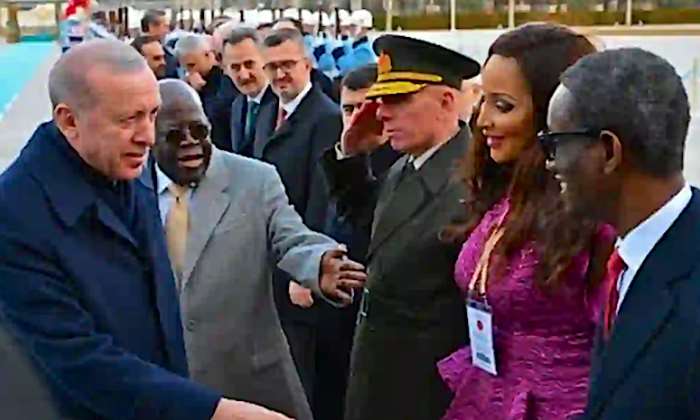
Nigeria’s President Bola Ahmed Tinubu briefly lost his balance and fell during a ceremonial welcome in Ankara, Turkey, an event that quickly captured public attention - not because he was seriously hurt, but because it triggered conversations about the physical demands of leadership and whether age should matter for heads of state. (Africa Press English)
The episode occurred during a state visit when Tinubu, 73, was walking alongside his Turkish counterpart, President Recep Tayyip Erdoğan, as part of official engagements to bolster diplomatic and economic ties between Nigeria and Turkey, including ambitious trade agreements.
The Turkey Incident: Minor, Yet Symbolic
Video footage distributed on social media showed the president momentarily losing his balance and being steadied by security personnel before continuing with the ceremony. The Presidency and aides quickly reassured the public that the incident was a momentary stumble - reportedly caused by uneven ground or a misplaced object - and was not health-related. (The Atlantic Bell)
Turkish officials reportedly treated the event as a non-issue, with commentators in Ankara describing the controversy back in Nigeria as “silly and mischievous” and noting that local media in Turkey paid no significant attention to it. (Businessday NG)
Despite these reassurances, many Nigerians and global observers used the moment to ignite wider debates about the physical aspects of public leadership, particularly for older leaders.
A Global Pattern: Leaders, Age, and Public Perception
Tinubu’s stumble resonates with similar events involving elderly leaders worldwide - incidents that often prompt discussions about fitness for office.
For example, U.S. President Joe Biden, the oldest U.S. president in history, has faced repeated attention over stumbles, speaking lapses, and cognitive fitness concerns. Public and media debates in the United States have highlighted how such moments affect perceptions of leadership capacity, beyond policy or accomplishment. (Wikipedia)
These reactions reflect a broader pattern where age and physical incidents - such as falls, pauses, or fatigue during public duties - are amplified in public discourse, regardless of whether those incidents have genuine implications for governance.
This phenomenon has two main drivers:
Visibility and Scrutiny: Senior leaders face disproportionate media focus on personal health and physical incidents because such occurrences appear to contradict public expectations of vigorous leadership.
Age-related Perceptions: Across cultures, older leaders may be perceived as less resilient, slowing decision-making or response times - even though research shows that age itself is not inherently detrimental to leadership performance when paired with experience and capability. (PMC)
Why Age Matters - And Why It Shouldn’t Always Define Leadership Quality
The public reaction to Tinubu’s limited physical mishap reveals deeper anxieties not just about one leader, but about gerontocracy (rule by the elderly) and how societies choose their leaders. In many democracies and republics, leaders well into their 70s or beyond are common, meaning age is increasingly a factor in political legitimacy and governance discussions.
Critics argue that advanced age may correlate with:
Reduced physical stamina and energy,
Slower cognitive processing in high-stress environments,
Increased risk of health events during crucial duties.
These concerns - often cited in discussions about long-serving presidents - are amplified by isolated incidents like Tinubu’s fall.
Supporters counter that age also brings experience, wisdom, judgment, and diplomatic nuance that younger leaders may lack. Research suggests that age differences between leaders and their teams do not automatically diminish effectiveness; much depends on leadership style, adaptability, and the ability to collaborate across generations.
The Leadership Paradox: Physical Presence vs. Policy Impact
Physical incidents often distract from substantive diplomatic achievements - in Tinubu’s case, agreements in Ankara on trade, defence cooperation, and investment that could expand Nigeria’s global economic footprint. (Reuters)
Yet public perception tends to focus on symbolic moments - a stumble, a pause, or a misstep - because they’re easy to share and emotionally resonant. This can overshadow policy substance and create distortions in how leadership is assessed.
The real question for Nigeria - and other African nations with aging leaders - is how to balance respect for experience with the physical demands of modern leadership. This involves several considerations:
Succession and Leadership Renewal: Developing political systems that encourage mentorship and smooth transitions between generations can help ensure continuity without leaving leadership to chance or physical missteps.
Transparent Health Standards: Public communication about leaders’ health, fitness, and capacity should be handled transparently, guided by respect for dignity and public trust.
Capacity and Perception: Addressing public concerns about physical fitness and age doesn’t necessarily mean ageism; rather, it should involve honest conversations about the demands of leadership in a complex global environment.
What This Means for Nigeria and Africa
In Nigeria, debates over Tinubu’s fall underscore a broader societal conversation about leadership, accountability, and representation. Unlike in some Western contexts where similar incidents may be dismissed as normal human frailty, reactions in Nigeria signal deeper anxieties about governance quality, national image, and political legitimacy.
Africa, with many leaders in similar age brackets, faces a growing imperative to broaden its leadership pool - valuing both youthful innovation and seasoned wisdom. Investments in education, political inclusion, and institutional strength help ensure that leadership is not defined solely by age or one moment on camera, but by capacity to deliver results, inspire confidence, and guide nations through global challenges.
Conclusion
President Tinubu’s brief stumble in Turkey - though minor and quickly dismissed by officials - opened a window into an evolving global conversation about age, leadership, and public perception. In a world where leaders are expected to be both resilient and effective, physical incidents can become symbolic flashpoints.
The lesson for Nigeria and Africa is not to dismiss age concerns outright, nor to equate physical missteps with incompetence. Instead, the focus should shift to building leadership cultures that value diverse strengths - experience, vitality, adaptability, and wisdom - and that support leaders of all ages to serve with dignity and effectiveness.