Tinubu’s Jos Visit Controversy: Fear, Optics, and Leadership Crisis After Plateau Killings
An in-depth analysis of President Bola Tinubu’s April 2026 visit to Jos, his failure to reach the attack scene, and what critics call a display of fear and weak leadership. Includes dates, reactions, and implications for Nigerians.
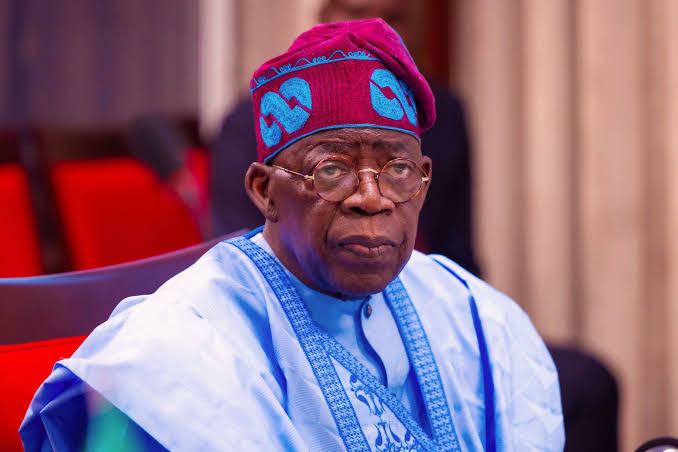
Between March 29 and April 4, 2026, Nigeria was once again confronted with the brutal reality of insecurity as deadly attacks rocked communities in Plateau State. In response, President Bola Ahmed Tinubu made a high-profile visit to Jos. However, rather than calming tensions, the visit ignited national debate particularly over his inability to visit the actual crime scenes.
For many Nigerians, what should have been a moment of presidential empathy and courage instead raised troubling questions about leadership, symbolism, and the widening disconnect between the state and its citizens.
The Massacre That Shook the Nation
Gunmen launched a deadly nighttime attack in Jos North, killing at least 20 residents and injuring many others. The violence, part of a long-running cycle of communal conflict in Plateau State, prompted a 48-hour curfew as authorities struggled to contain the situation. (AP News)
The killings were not just another statistic, and they represented a deepening crisis in Nigeria’s Middle Belt, where communities have faced repeated violence for decades.
Tinubu’s Visit to Jos
President Tinubu postponed other engagements to visit Jos, signaling the importance of the tragedy. During the visit, he met with state officials and victims’ representatives while security agencies, including mobile police units, were deployed to stabilize the region. (Punch Newspapers)
On the surface, the visit appeared to be a standard presidential response offering condolences and reassurance.
But beneath the optics lay a controversy that would dominate national discourse.
The Airport Visit Controversy
Criticism erupted when reports emerged that the president did not visit the actual attack sites. Instead, he reportedly held meetings at or near the airport before departing. Opposition voices described the visit as rushed, detached, and lacking empathy. (The Sun Nigeria)
For grieving communities, this was not just a logistical issue; it was symbolic. The expectation was clear: a president should stand physically at the site of national tragedy, not observe from a distance.
Fear or Security Reality?
Supporters of the administration argue that the president’s movement was restricted due to security risks. Plateau State remains volatile, and intelligence assessments may have deemed a visit to the crime scene unsafe.
However, critics interpret the decision differently.
To them, the inability or unwillingness to visit the scene reflects fear. In a country where ordinary citizens face daily insecurity without protection, the president’s caution appears, in their eyes, as a privilege unavailable to the masses.
This perception has fueled a narrative of “protected leadership versus exposed citizens.”
Optics and the Power of Presence
Leadership is not only about policy, but also about symbolism. In moments of national grief, physical presence carries immense emotional and political weight.
Historically, Nigerian leaders have faced criticism for delayed or distant responses to crises. Tinubu’s Jos visit appears to reinforce this pattern. Even when action is taken, the optics of detachment can undermine its impact.
The contrast is stark: victims buried loved ones in devastated communities, while the president’s engagement remained confined to controlled environments.
A Pattern Nigerians Recognize
This is not an isolated incident. Previous responses to mass killings in Nigeria have followed similar patterns delayed visits, limited engagement with affected communities, and heavy reliance on security briefings.
The recurrence of this approach has created a growing public perception:
that Nigerian leadership responds to tragedy administratively, not emotionally.
In a nation battling insurgency, banditry, and communal violence, this perception is dangerous. It erodes trust and weakens the psychological bond between government and citizens.
Immediate Aftermath: Violence Continues
Barely 24 hours after Tinubu’s visit, fresh attacks were reported in Plateau State, leading to additional deaths and injuries. (Channels Television)
The timing was deeply symbolic. It suggested that the presidential visit despite its intentions, had little immediate deterrent effect.
For many Nigerians, this reinforced a painful conclusion:
The state is not in control.
What This Means for Nigerians
1. Erosion of Public Confidence: When leaders appear distant from crisis zones, public confidence suffers. Nigerians already grappling with insecurity may feel abandoned, further weakening trust in government institutions.
2. Normalization of Violence: Repeated attacks, followed by limited high-impact responses, risk normalizing mass killings. When tragedy becomes routine, outrage fades—and so does accountability.
3. Leadership Credibility at Stake: Tinubu campaigned on promises to tackle insecurity. Incidents like this test that promise. Perceived fear or detachment can damage political credibility, both domestically and internationally.
4. Deepening Regional Tensions: Plateau State sits at Nigeria’s fragile religious and ethnic fault line. A perceived lack of strong leadership response could embolden perpetrators and inflame tensions further.
5. Psychological Impact on Citizens: Beyond physical security, Nigerians seek reassurance. A president who walks among victims sends a message of solidarity. One who does not risk being seen as disconnected from their pain.
Between Reality and Perception
It is important to separate two realities:
- Operational Reality: Security constraints may genuinely limit presidential movement.
- Public Perception: Nigerians judge leadership not only by decisions, but by what those decisions represent.
In politics, perception often outweighs explanation. And in this case, the perception of fear has overshadowed the intent of the visit.
The Leadership Test Ahead
President Tinubu now faces a critical test. Beyond statements and deployments, Nigerians are watching for:
- Visible, courageous leadership in crisis zones
- Concrete security reforms that prevent recurring attacks
- Empathy that goes beyond scripted engagements
The Jos incident is more than a single controversy; it is a mirror reflecting broader questions about governance in Nigeria.
Conclusion: A Moment That Defines Leadership
The events of March 29 to April 4, 2026, may ultimately be remembered not just for the Plateau killings but for what followed the debate over leadership, courage, and connection.
In times of crisis, citizens look to their leaders not only for solutions but for presence. The inability to visit the crime scene, whether driven by fear or security logic, has left a vacuum, one filled by criticism, doubt, and public frustration.
For Nigerians, the message is clear:
Leadership must not only act - but it must also be seen to stand where the pain is.