“Tinubu Reverses ADC’s Brigadier-General Promotion After Backlash; Says ‘I Was Misled’ as Military Morale Concerns Mount”
Tinubu cancels controversial ADC Brigadier-General promotion amid military uproar, citing being misled; officers praise reversal and call for adherence to protocol.
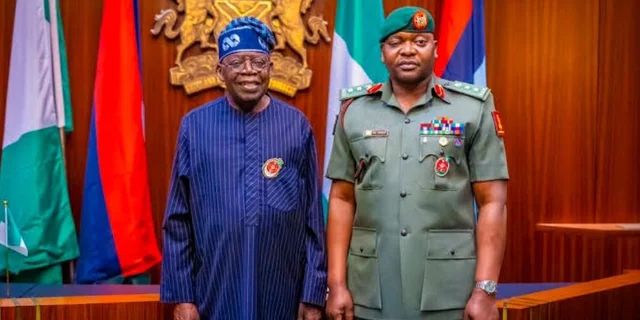
President Bola Ahmed Tinubu has rescinded the contentious promotion of his Aide-de-Camp (ADC), Colonel Nurudeen Alowonle Yusuf, to the rank of Brigadier General, following sharp backlash from within the Nigerian Army and broader security establishment. The reversal, confirmed by multiple sources, came after intense consultations between the Presidency and senior military officials alarmed by the potential impact on morale and professional standards. (Premium Times Nigeria)
The planned elevation to one-star general had triggered consternation across military ranks because of the unusually rapid advancement - Yusuf had only been decorated as a colonel earlier this year, making the proposed jump to brigadier general within months widely regarded as unprecedented. (Businessday NG)
A senior military source told journalists on condition of anonymity that the President acknowledged he was misled into initially approving the promotion, but had “done the needful” by reversing it. Officers reportedly greeted the announcement with relief, describing it as a victory for morale and established protocol. (GistReel)
The controversy emerged when a letter dated December 12, 2025, and authored by the National Security Adviser (NSA), Nuhu Ribadu, was transmitted to the Chief of Army Staff, Lt-Gen. Wahid Shaibu, indicating the President’s approval for Yusuf’s elevation to brigadier general while maintaining his role as ADC. (Metro Daily)
However, the plan touched a raw nerve within the Army. Several senior officers and defence commentators argued that the promotion would bypass established procedures requiring an officer to serve about four years as a colonel and attend strategic courses, such as at the National Defence College - before being considered for general officer rank.
Aides within the Presidency report that preparations for Yusuf’s decoration were already underway, with invitations sent to family, colleagues and guests, before the intervention by senior military voices. One source said the President heeded arguments from respected figures including retired General Alani Akinrinade and intervention from service chiefs.
The Chief of Army Staff, who had been attending an event in Lagos, was summoned urgently to Abuja to brief the President on the growing discontent among serving officers and the possible consequences for hierarchy and discipline if the promotion went ahead.
Although the Presidency did not issue an extensive public statement on the specific motivations for the reversal, multiple sources indicate that Tinubu’s decision was grounded in a desire to uphold military traditions and prevent internal erosion of trust. Officers argue that favouring an individual based on proximity to power risks damaging the integrity of the armed forces, especially at a time when Nigeria faces complex security challenges. (Legit.ng - Nigeria news.)
The dispute also drew public commentary from political actors and commentators, with some warning that politicizing military promotions could undermine democratic norms and inadvertently fuel unrest. A former APC official and international affairs advocate, Comrade Timi Frank, cautioned that perceived abuses of military rank could “endanger democracy and invite coup temptations,” reflecting broad concerns about institutional boundaries. (Head Topics)
Beyond the immediate reversal, sources say the Presidency is now undertaking a broader review of the structure and ranks within the President’s security detail, amid allegations of inappropriate appointments and rank inflation among top aides. These internal discussions reportedly include reassessing the positions of the Chief Detail and the Chief Personal Security Officer, roles currently held by senior officers whose ranks some insiders say do not align with their responsibilities.
Critics have alleged that certain security appointments in the Villa have historically been shaped as much by political considerations as by professional qualifications. Some sources claim that past and present occupants of key security roles have leveraged connections to secure or retain positions, raising questions about meritocracy and chain of command.
In the immediate term, military observers see Tinubu’s decision as a reassertion of protocol and a strategic move to temper dissatisfaction within the Army. Yet, questions remain about how to balance presidential authority with institutional norms in Nigeria’s security architecture.
As the Presidency and military leadership seek to diffuse tensions, the episode underscores the fragility of trust between political leadership and professional armed services, particularly when issues of rank, morale and precedence intersect.