Tinubu Removes Finance Minister Over Missing ₦1.15tr Controversy | Political Shake-Up
A detailed look at how President Bola Tinubu removed the Minister of State for Finance after a federal lawmaker exposed ₦1.15 trillion in undisbursed capital funds, the appointment of Taiwo Oyedele, and the implications for fiscal accountability in Nigeria
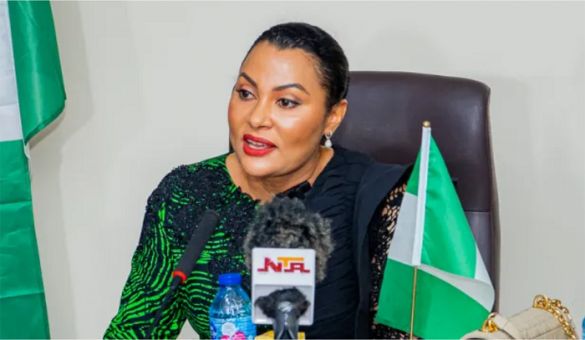
President Bola Ahmed Tinubu has removed Dr. Doris Uzoka-Anite as Minister of State for Finance, replacing her with tax and fiscal policy expert Mr. Taiwo Oyedele in a move widely linked to a recent parliamentary expose of ₦1.15 trillion in approved but undisbursed capital funds. The development has reignited debates on public financial management, statutory accountability, and the executive-legislative relationship in Nigeria.
What Triggered the Cabinet Change?
The change at the Finance Ministry followed an explosive session of the House of Representatives’ budget defence hearing on February 25, 2026, where Hon. Alex Mascot Ikwechegh - representing Aba North/Aba South Federal Constituency - raised pointed questions about billions of naira in unused capital funds under the Ministry of Finance’s watch.(Nairaland)
During the session, Ikwechegh highlighted a catalogue of borrowed funds and approved budget allocations that remained unspent, including:
- ₦1.15 trillion in approved capital funds that had not been disbursed
- Billions more in external loans and stimulus-related allocations
- Funding shortfalls are delaying project execution nationwide
Crucially, despite multiple revenue sources and borrowing, capital projects across the country reportedly showed zero percent execution, prompting sharp legislative scrutiny.
When pressed to explain why such huge funds remained undisbursed, Minister of Finance Wale Edun distanced himself from the mechanics of disbursement, placing responsibility on his Minister of State, Uzoka-Anite. At a subsequent hearing, she confirmed the figure was approved but argued that certain “pre-disbursement conditions” were not met by implementing ministries - a response that fueled further dissatisfaction.
Cabinet Reshuffle: Who Was Removed and Who’s In
On March 3, 2026, the Presidency issued a statement, communicated by Bayo Onanuga, the Special Adviser to the President on Information and Strategy, announcing a cabinet shake-up. The key changes included:
- Dr. Doris Uzoka-Anite was relieved of her role as Minister of State for Finance
- She was redeployed to the Ministry of Budget and National Planning as Minister of State her third posting in roughly two years
- Mr. Taiwo Oyedele was nominated as the new Minister of State for Finance, pending Senate confirmation
- Oyedele previously chaired the Presidential Committee on Fiscal Policy and Tax Reforms and is considered a specialist in public finance and tax law reform.
This move was formally transmitted to the Senate President Godswill Akpabio as part of routine ministerial nominations.(Nairametrics)
Why the Budget Row Matters
The crux of the uproar lies in a seeming disconnect between budget approval and actual implementation - especially of capital expenditures meant to drive development. Despite the approval of ₦1.15 trillion for capital projects, national infrastructure remains largely unexecuted, raising questions about oversight, coordination, and systemic inefficiencies within the federal budgeting process.
Critics argue these points to deeper challenges, including:
- Weak mechanisms for tracking budget execution
- Ineffective coordination among ministries and agencies
- Possible diversion of funds away from intended uses
- Politically motivated reallocations outside legislative scrutiny
Supporters of the cabinet move, however, view the appointment of Oyedele as a positive step toward reinforcing technical expertise in fiscal management - particularly given his background in tax reforms and public policy.(Businessday NG)
Who Is Taiwo Oyedele?
Mr. Taiwo Oyedele is a 50-year-old economist, accountant, and tax expert from Ikaram-Akoko, Ondo State. Before his nomination, he led the Presidential Committee on Fiscal Policy and Tax Reforms, a key body responsible for overhauling Nigeria’s tax structures and improving revenue mobilization.
Oyedele’s credentials include:
- Extensive professional experience with PwC (22 years)
- Leadership in fiscal policy and tax strategy
- Senior academic roles
- A reputation for analytical discipline and technical rigor
His appointment is intended to restore credibility to the Finance Ministry and reposition fiscal policy toward more transparent, data-driven frameworks - particularly amid ongoing public and investor concerns about Nigeria’s economic trajectory.
Reactions and Broader Implications
Political Accountability and Legislative Oversight
The episode has highlighted the growing assertiveness of Nigeria’s parliament in holding executive officials accountable. Hon. Ikwechegh’s line of questioning and the swift administrative response signal an evolving power dynamic where lawmakers are more willing to challenge executive agencies over governance lapses.
Public Trust and Democratic Governance
Many Nigerians see the removal of a minister following publicized questions about budget performance as a rare instance of accountability - potentially strengthening public trust if followed by transparent follow-ups on funds utilization. Others, however, view the redeployment (rather than outright dismissal) as a symbolic gesture with limited substantive consequences unless further audits and prosecutions occur.(247 Ureports)
Economic Performance and Fiscal Discipline
With inflation, infrastructural deficits, and foreign exchange pressures still central to Nigeria’s economic struggles, ensuring effective capital project funding and execution is more than administrative housekeeping - it’s a key driver of sustainable growth. Enhanced technical leadership through figures like Oyedele could, optimists say, help bridge policy and performance gaps.
Conclusion
President Bola Tinubu’s decision to remove Dr. Doris Uzoka-Anite as Minister of State for Finance and appoint Taiwo Oyedele comes amid heightened scrutiny of Nigeria’s fiscal governance - particularly after Hon. Alex Mascot Ikwechegh exposed the ₦1.15 trillion capital budget controversy. Whether this reshuffle translates into enhanced budget transparency, accelerated project execution, and stronger accountability remains to be seen, but the political moment underscores an emerging demand for performance and integrity in public financial management in Nigeria.