Tinubu Meets Security Chiefs Amid Growing Backlash Over Troops’ Salary Concerns
President Bola Tinubu has met with Nigeria's security chiefs amid growing public concern over the welfare and salary complaints of military personnel, as the government seeks to strengthen national security and address operational challenges.
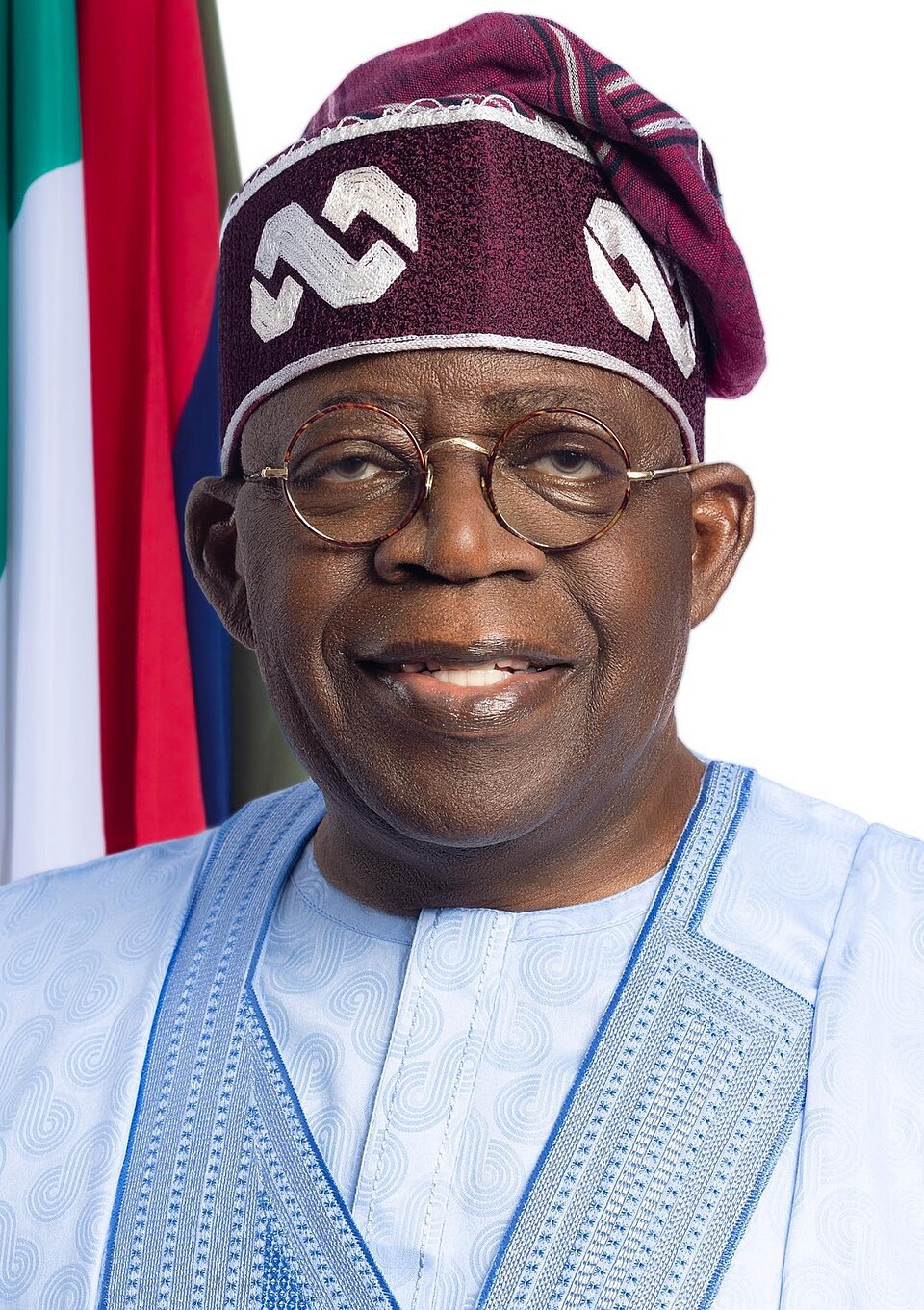
President Bola Ahmed Tinubu on Friday convened a high-level meeting with Nigeria's top security chiefs at the Presidential Villa in Abuja, as concerns continue to mount over the welfare of military personnel following public criticism surrounding the salaries and allowances of troops deployed across various theatres of operation.
The meeting comes at a time when discussions over the remuneration and welfare of members of the Armed Forces have dominated public discourse, with many Nigerians calling for improved conditions of service for troops battling insurgency, banditry, kidnapping and other security threats across the country.
Although details of the closed-door meeting were not immediately disclosed, sources within the Presidency said discussions focused on the country's security situation, ongoing military operations and the welfare of personnel engaged in frontline duties.
Security Challenges Remain a National Priority
Nigeria continues to grapple with multiple security threats, including terrorism in the North-East, banditry and kidnapping in the North-West, communal clashes in parts of the Middle Belt, oil theft in the Niger Delta and criminal activities in the South-East.
Successive administrations have pledged to strengthen the operational capacity of the Armed Forces and other security agencies through increased funding, improved intelligence gathering and the acquisition of modern military equipment.
President Tinubu has repeatedly described security as one of the central priorities of his administration, maintaining that economic growth and national development cannot be achieved without peace and stability.
The latest meeting with service chiefs is viewed as part of ongoing consultations aimed at assessing progress in ongoing security operations and identifying additional measures to enhance national security.
Salary Backlash Sparks Public Debate
The meeting also comes amid growing public concern over reports relating to the salaries and welfare packages of military personnel.
Recent discussions on social media and in public forums have highlighted complaints from some serving and retired personnel regarding pay, allowances, accommodation and other welfare issues.
Although the military has not officially confirmed many of the claims circulating online, the debate has renewed calls for the Federal Government to prioritise the welfare of troops who continue to serve in difficult and often dangerous operational environments.
Security analysts argue that adequate remuneration, prompt payment of allowances and improved living conditions are essential for maintaining morale and operational effectiveness.
Several veterans' associations have similarly urged the government to continue reviewing military welfare policies in line with prevailing economic realities.
Tinubu's Commitment to Military Welfare
Since assuming office in May 2023, President Tinubu has consistently expressed appreciation for the sacrifices made by members of the Armed Forces and other security agencies.
The administration has approved increased funding for defence, supported the procurement of military hardware and encouraged reforms aimed at improving operational readiness.
Government officials have also reiterated commitments to enhancing healthcare services, housing schemes, insurance coverage and educational support for military personnel and their families.
While acknowledging existing challenges, the Presidency has maintained that improving troop welfare remains an important component of broader security sector reforms.
Analysts note that investment in personnel is just as important as investment in weapons and equipment in sustaining effective military operations.
Security Chiefs Brief President
Those believed to have attended the meeting include the Chief of Defence Staff, the Chief of Army Staff, the Chief of Naval Staff, the Chief of Air Staff, the Inspector-General of Police, as well as heads of intelligence and other security agencies.
The security chiefs were expected to brief the President on developments across the country's various operational theatres, including counter-insurgency efforts in the North-East, anti-banditry operations in the North-West and anti-oil theft campaigns in the Niger Delta.
They were also understood to have reviewed intelligence assessments, recent military successes and emerging threats requiring strategic attention.
The meeting forms part of the regular national security briefings held by the President with military and intelligence leaders.
Calls for Comprehensive Reform
Beyond salary concerns, defence experts have called for broader reforms to improve the welfare and effectiveness of Nigeria's Armed Forces.
These include modernising military barracks, expanding healthcare facilities for serving personnel and veterans, improving access to quality education for military families and strengthening pension administration.
Analysts also recommend continuous investment in training, advanced technology and intelligence capabilities to enable troops to respond more effectively to evolving security threats.
According to security specialists, a motivated and well-supported military is better positioned to sustain long-term operations against terrorist groups, bandits and other criminal networks.
Public Expectations
Many Nigerians are looking to the outcome of the meeting for indications that the Federal Government will take concrete steps to address concerns raised by military personnel.
Civil society organisations and security commentators have argued that improving troop welfare should remain a national priority, especially given the increasing demands placed on the Armed Forces.
Public confidence in security institutions, they say, is strengthened when frontline personnel receive adequate support and recognition for their service.
At the same time, observers stress that military welfare reforms should complement broader efforts to improve intelligence sharing, community policing and inter-agency collaboration.
Looking Ahead
While no official statement specifically addressing the salary controversy had been issued at the conclusion of the meeting, analysts expect the government to continue engaging with military leadership on issues affecting operational efficiency and personnel welfare.
The Tinubu administration has repeatedly affirmed its determination to restore peace across Nigeria and strengthen national security institutions.
Observers believe that addressing the concerns of troops, whether through improved salaries, allowances, housing or healthcare could contribute significantly to boosting morale and enhancing the Armed Forces' capacity to confront the country's diverse security challenges.
As Nigeria continues to battle insurgency, kidnapping, banditry and other forms of violent crime, the welfare of those on the front lines is expected to remain a critical issue in the government's broader security agenda. (statehouse)