Tinubu Begins Historic UK State Visit Amid Criticism
President Bola Tinubu begins a historic UK state visit aimed at boosting trade and investment but faces growing criticism at home. Here’s what the visit means for Nigeria’s economy, diplomacy, and political climate.
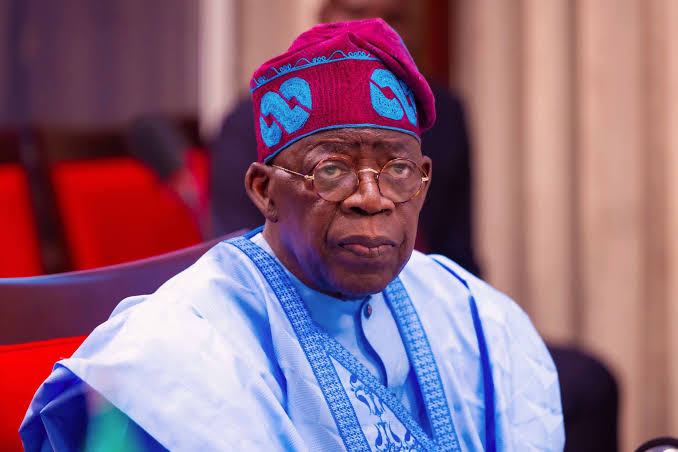
President Bola Ahmed Tinubu has commenced a high-profile state visit to the United Kingdom, marking one of the most significant diplomatic engagements of his administration so far.
The visit, which began on March 17, 2026, is being described as historic - not only because of its ceremonial importance, but also due to its potential impact on Nigeria’s economy, global standing, and domestic politics.
However, the trip is also unfolding amid growing criticism of Tinubu’s governance style, political priorities, and international engagements, raising questions about whether the visit will translate into tangible benefits for Nigerians.
A Historic Diplomatic Engagement
Tinubu’s visit comes at the invitation of King Charles III, with formal engagements scheduled to take place at Windsor Castle.
According to reports, this will make Tinubu the fifth Nigerian leader to be hosted at the highest level by the British Crown and the first to be received at Windsor Castle in such capacity. (Punch Newspapers)
The visit is widely seen as a reaffirmation of the long-standing relationship between Nigeria and United Kingdom, a partnership rooted in history but increasingly driven by economic and strategic interests.
Analysts say the timing is crucial. The UK, in the post-Brexit era, is actively seeking new trade partners, while Nigeria is pursuing foreign investment to stabilize its economy and drive growth.
Economic and Trade Expectations
A major focus of the visit is deepening economic ties and attracting foreign investment.
Nigeria is currently one of the UK’s largest trading partners in Africa, with bilateral trade estimated at around £8 billion annually, covering sectors such as energy, finance, technology, and education.
The visit is expected to build on the UK-Nigeria Enhanced Trade and Investment Partnership (ETIP) signed in 2024, which aims to expand trade access for Nigerian exports, support private sector investment, and strengthen value chains and job creation.
Experts believe Tinubu will use the visit to position Nigeria as a prime destination for foreign capital, particularly as his administration pushes economic reforms, including currency liberalization and tax restructuring.
According to analysts, the real test will be whether the visit leads to concrete investment deals rather than symbolic agreements.
Strategic and Security Cooperation
Beyond economics, the visit also carries strategic and security implications.
Nigeria continues to grapple with insecurity, including insurgency, banditry, and communal violence. Strengthening ties with the UK could open doors for: intelligence sharing, military training, and counter-terrorism collaboration.
At a time when global security alliances are shifting, Nigeria is also seeking to elevate its international profile, including its ambition for a permanent seat on the United Nations Security Council. (African Business)
Growing Domestic Criticism
Despite the potential benefits, Tinubu’s UK visit has attracted significant criticism at home.
Opposition figures, including Peter Obi, have previously accused the president of focusing too much on international engagements while domestic challenges persist.
Critics argue that:
- Nigeria continues to face worsening insecurity
- Economic hardships and inflation remain high
- Government priorities appear disconnected from citizens’ struggles
Recent events have amplified these concerns. Public outrage followed reports of political elites attending lavish events even as violence and hardship affected many Nigerians. (The Guardian)
There are also broader criticisms of Tinubu’s leadership style, with some accusing the administration of prioritizing political optics over empathy and governance outcomes.
Government Response to Criticism
The Nigerian government has strongly defended the visit.
Officials insist that the criticism is misplaced and that the trip is essential for Nigeria’s long-term development. (The Sun Nigeria)
Government spokespeople argue that: international diplomacy is critical for economic recovery, attracting foreign investment requires high-level engagement, and the benefits of such visits may not be immediately visible, but are strategic.
Some officials have even suggested that criticism of the visit is driven by misunderstanding or political bias. (The Source)
Political Implications
Tinubu’s UK visit also carries important political implications.
1. International Legitimacy
The state visit reinforces Tinubu’s standing on the global stage, presenting him as a key African leader engaging major Western powers.
2. Domestic Perception Battle
At home, however, the visit could deepen political divisions.
Supporters view it as a sign of strong leadership and global relevance, while critics see it as evidence of detachment from Nigeria’s pressing internal challenges.
3. Pre-Election Strategy
Analysts suggest that international diplomacy could also play a role in shaping Tinubu’s political positioning ahead of future elections, particularly in securing economic gains that could improve public perception.
What This Means for Nigeria
The success of Tinubu’s UK visit will ultimately depend on measurable outcomes.
Economic Impact
If the visit leads to increased investment, improved trade access, and job creation, it could support Nigeria’s economic recovery.
Diplomatic Influence
Stronger ties with the UK could enhance Nigeria’s influence in global affairs, particularly within the Commonwealth and international institutions.
Governance Accountability
However, the visit also highlights the importance of balancing international diplomacy with domestic governance.
Without visible improvements in security, infrastructure, and living standards, diplomatic achievements may not translate into public approval.
Conclusion
President Bola Tinubu’s state visit to the United Kingdom represents a critical moment for Nigeria’s foreign policy and economic strategy.
While the trip offers opportunities to strengthen trade, attract investment, and elevate Nigeria’s global standing, it also underscores the growing tension between international ambition and domestic expectations.
As criticism of the administration continues to mount, the true measure of success will not be the grandeur of the visit - but whether it delivers real, tangible benefits for Nigerians at home.