Tight Security as Nasir El-Rufai Arrives Federal High Court for Bail Ruling on Corruption Charges
Former Kaduna governor Nasir El-Rufai appeared under heavy security at the Federal High Court for his bail ruling. Here’s what happened, the charges, and the broader implications for Nigeria.
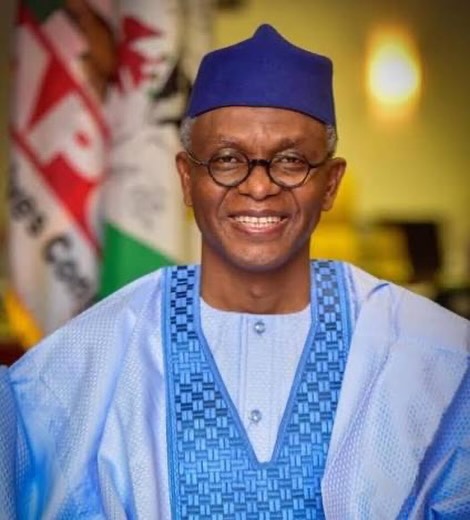
The atmosphere was tense and heavily guarded as Nasir El-Rufai arrived at the Federal High Court in Kaduna for a crucial ruling on his bail application. The development, which unfolded between April 13 and April 14, 2026, has drawn nationwide attention, reflecting both the high-profile nature of the case and its broader political implications.
Security operatives were deployed in large numbers around the court premises, restricting movement and managing crowds as supporters, journalists, and legal observers gathered early in anticipation of the ruling. (Nigeria Info, Let's Talk!)
A Court Appearance Under Heavy Guard
El-Rufai’s arrival at the court was marked by tight security, mirroring earlier proceedings in the case. Armed personnel were stationed strategically, and access to the courtroom was limited to authorized individuals.
The heightened security underscores the sensitivity of the case, which involves allegations of corruption, abuse of office, and financial misconduct.
The Federal High Court had earlier reserved its ruling on El-Rufai’s bail application for April 14, following arguments from both the prosecution and defense teams.
At the time of the hearing, El-Rufai remained in custody, with the outcome of the bail application set to determine whether he would regain temporary freedom or continue detention pending trial.
The Charges: A High-Stakes Legal Battle
The former governor is facing multiple charges filed by the Independent Corrupt Practices and Other Related Offences Commission (ICPC).
These include:
- Abuse of office
- Fraud and intent to commit fraud
- Conferring undue advantages
- Alleged financial misconduct involving large sums
In a related proceeding, he is also facing a 10-count charge involving alleged money laundering and misappropriation of public funds. (Channels Television)
The scale and nature of the charges have elevated the case into one of the most closely watched anti-corruption trials in Nigeria in recent years.
Why the Security Was So Tight
The heavy security presence was not merely procedural. It reflected multiple layers of concern:
1. High Public Interest: El-Rufai remains a prominent political figure, with influence across northern Nigeria and national politics. His supporters and critics alike have been closely following the case.
Large crowds gathered at the court, necessitating strict control to prevent disruptions.
2. Political Sensitivity: The case comes amid shifting political alliances and realignments ahead of future elections. El-Rufai’s recent political moves have kept him in the spotlight, making the trial politically charged.
3. Security Risk Management: Given Nigeria’s history of high-profile legal proceedings attracting protests or unrest, authorities often deploy strong security to prevent escalation.
The presence of armed operatives and restricted access reflects a precautionary approach.
The Legal Question: Bail or Continued Detention?
At the heart of the proceedings is a fundamental legal question:
Should El-Rufai be granted bail while his trial continues?
His legal team has argued that:
- He is not a flight risk
- He is willing to comply with court conditions
- Bail is his constitutional right
The prosecution, however, is likely to argue that:
- The charges are गंभीर and involve significant public funds
- There is a risk of interference with witnesses or evidence
The court’s ruling will set the tone for the rest of the trial.
Broader Implications for Nigeria
1. Anti-Corruption Credibility: The case is a test of Nigeria’s anti-corruption institutions. A transparent and fair trial could strengthen public confidence in the system.
However, any perception of political bias could undermine credibility.
2. Rule of Law vs Political Influence: El-Rufai’s status as a former governor raises questions about whether Nigeria’s justice system can treat powerful figures equally.
The outcome of the bail ruling and the trial itself will be closely watched as a measure of judicial independence.
3. Political Ripple Effects: The case could have significant political implications, particularly as Nigeria approaches future election cycles.
Depending on the outcome, it could:
- Reshape of political alliances
- Influence of public perception of anti-corruption efforts
- Affect the balance of power within opposition movements
Public Reaction: Divided Opinions
Public opinion on the case remains sharply divided.
Supporters argue that El-Rufai is being targeted for political reasons and express confidence that he will be vindicated.
Critics, on the other hand, see the case as a necessary step toward accountability, arguing that no public official should be above the law.
This division reflects a broader national debate about justice, politics, and governance.
A Familiar Pattern in Nigerian Politics
El-Rufai’s case is not unique. Nigeria has seen several high-profile politicians face corruption charges, often accompanied by intense media attention and public debate.
However, outcomes have varied, with some cases ending in convictions, others in acquittals, and many in prolonged legal battles.
This inconsistency has contributed to skepticism about the effectiveness of anti-corruption efforts.
What Happens Next
Following the bail ruling, the case will proceed to full trial, where evidence will be presented and witnesses examined.
Key questions moving forward include:
- Will the trial proceed swiftly or face delays?
- Will the prosecution present strong evidence?
- Will the defense successfully challenge the charges?
The answers will determine not only El-Rufai’s legal fate but also the broader perception of justice in Nigeria.
Conclusion: More Than a Bail Hearing
The sight of Nasir El-Rufai arriving under tight security at the Federal High Court is more than just a legal moment. It reflects Nigeria’s ongoing struggle with accountability, governance, and the rule of law.
The bail ruling is only the beginning. What follows will be a test of institutions, political will, and public trust.
In a country where high-profile cases often carry both legal and political weight, the El-Rufai trial could become a defining moment in Nigeria’s fight against corruption.