The Main Issue Behind the Billion-Dollar Lawsuit Between Elon Musk and OpenAI Battle in Court
Elon Musk and OpenAI have gone to court in a landmark legal fight over the company’s nonprofit roots, for-profit transition, Microsoft ties, and the future of AI governance. Here’s the main issue explained.
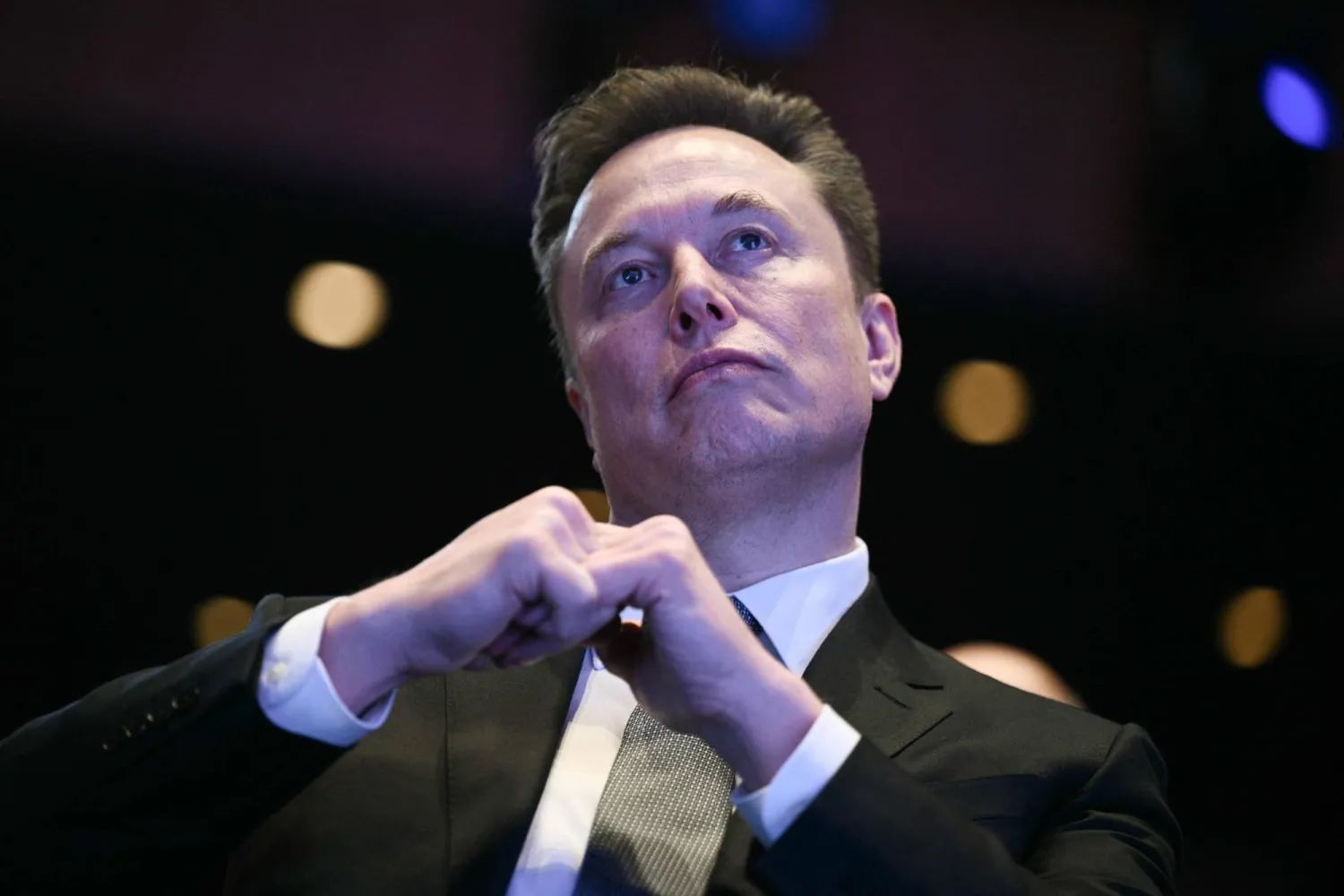
A major courtroom showdown has begun between billionaire entrepreneur Elon Musk and OpenAI, the company he helped co-found in 2015. What began as a collaboration to build safe artificial intelligence for humanity has now become one of the most important legal battles in modern tech history.
At the heart of the dispute is a simple but explosive question: Did OpenAI abandon its original nonprofit mission in pursuit of profit?
The case, now being heard in a federal court in Oakland, California, could reshape how AI companies are structured, funded, and regulated in the future. It also places some of Silicon Valley’s most powerful figures, including Sam Altman and Satya Nadella, under intense legal and public scrutiny. (Reuters)
How OpenAI Started
OpenAI was launched in 2015 as a nonprofit research lab with an ambitious mission: to ensure artificial general intelligence (AGI) would benefit humanity rather than be controlled by a few corporations or governments. Musk was one of the original backers and reportedly donated tens of millions of dollars during the company’s early years.
The company attracted global admiration for presenting itself as an ethical alternative to the secretive AI research efforts underway at large technology firms. Its founding image was one of openness, collaboration, and public benefit.
What Changed?
According to Musk, OpenAI fundamentally changed course in 2019 when it created a for-profit arm to raise large-scale capital. That restructuring paved the way for massive outside investment, particularly from Microsoft, which became OpenAI’s most powerful commercial ally.
Since then, OpenAI has evolved from a research nonprofit into one of the world’s most valuable AI businesses, driven by the runaway success of ChatGPT and enterprise AI tools. Reports suggest OpenAI could eventually pursue a valuation approaching $1 trillion if it goes public.
Musk’s Main Argument
Musk claims that OpenAI’s leaders betrayed the founding agreement and misused donations made under the assumption that the company would remain committed to nonprofit principles. He argues the company transformed into what he portrays as a profit-maximizing machine while keeping the credibility and branding of its original mission.
His lawsuit alleges breaches including charitable trust and unjust enrichment. In practical terms, Musk says money and support given for public-interest AI development were redirected into building a private commercial empire.
He is seeking huge damage reported in the tens or even hundreds of billions of dollars, and governance changes that could include the removal of current leadership and reversal of restructuring.
OpenAI’s Defense
OpenAI strongly rejects Musk’s claims. The company argues that moving to a capped-profit structure was necessary because advanced AI development requires enormous computing power, top engineering talent, and billions in infrastructure spending.
OpenAI also says Musk once supported the idea of a for-profit model and only turned hostile after leaving the organization in 2018 and later launching his own rival AI company, xAI.
In OpenAI’s view, the lawsuit is less about ethics and more about competition.
Why Microsoft Matters
Microsoft is named in this case because of its close partnership with OpenAI. Through cloud infrastructure, investments, and product integrations, Microsoft helped turn OpenAI into a global commercial force.
Musk contends Microsoft benefited from OpenAI’s alleged departure from its founding mission. If the court sides with Musk, the partnership structure could face legal and strategic complications.
Why This Case Is Bigger Than Musk vs Altman
Although the headlines focus on the personal rivalry between Musk and Altman, the legal fight raises broader questions:
- Can nonprofits later become profit-driven companies after attracting donations?
- What obligations do AI firms owe the public when building transformative technology?
- Should powerful AI systems be governed like public-interest institutions or ordinary corporations?
- How transparent should companies be when they begin as “open” initiatives?
Legal analysts say the case could become a landmark precedent for future AI governance. (Christian Science Monitor)
The Personal Feud Factor
The relationship between Musk and Altman has deteriorated dramatically. Once allies, they are now rivals competing for influence in artificial intelligence. Musk controls xAI and the Grok chatbot ecosystem, while Altman leads the company behind ChatGPT.
That rivalry gives the lawsuit an additional layer of drama. Critics of Musk say he is using the courts to slow a competitor. Supporters argue he is exposing hypocrisy in one of the most influential companies on earth. (The Washington Post)
What Happens Next?
The trial is expected to include testimony from Musk, Altman, and other senior figures. Internal emails, boardroom discussions, donation records, and restructuring plans are likely to be central evidence.
Possible outcomes include:
- Musk loses, and OpenAI continues unchanged
- Financial penalties or governance reforms for OpenAI
- Restrictions on future restructuring
- Settlement before final judgment
- New regulatory pressure on the wider AI sector
Whatever the verdict, the case is already forcing industry to confront uncomfortable questions about mission, money, and power. (The Guardian)
Final Analysis
The main issue in the Elon Musk vs OpenAI courtroom battle is not simply money, it is whether a company founded to serve humanity can legitimately evolve into a profit-driven corporate giant without violating its original purpose.
Musk says OpenAI crossed that line. OpenAI says adaptation was necessary to build advanced AI responsibly at scale.
The court’s answer may help determine how the next generation of AI companies are built, owned, and controlled.