The Life and Times of Robert Duvall: Hollywood’s Reluctant Star Dies Aged 95
Celebrating the life, craft, and quiet influence of Robert Duvall - the Oscar-winning actor of The Godfather, Apocalypse Now, and more - through lesser-told stories, insights into his creative philosophy, and a remarkable seven-decade career.
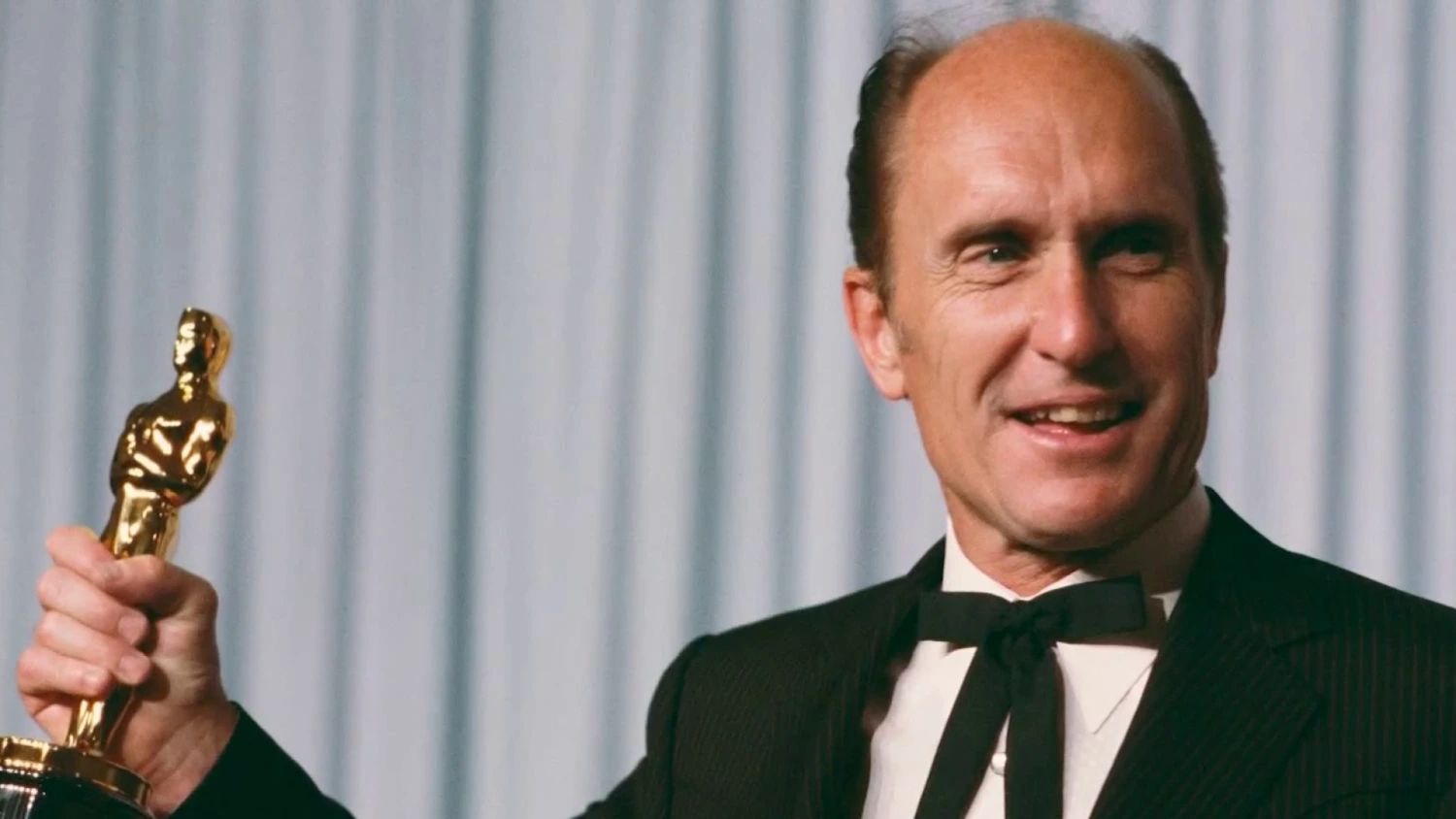
Robert Duvall - a name synonymous with understated genius, chameleon-like versatility, and a devotion to craft over celebrity - has died peacefully at the age of 95, his wife confirmed in a statement. His passing on February 15, 2026, marked the end of one of cinema’s most fascinating careers: an actor who almost didn’t become a household name, yet influenced decades of storytelling while steadfastly avoiding the trappings of stardom. (ITVX)
While many remember Duvall for landmark roles in The Godfather and Apocalypse Now, his life and work reveal a much deeper journey - one rooted in a passion for authenticity, artistic integrity, and a singular approach to performance that set him apart from his peers.
From Military Childhood to Method Discovery
Born January 5, 1931, in San Diego, California, Duvall was the son of a U.S. Navy rear admiral and a mother involved in amateur theatre. Growing up amid frequent relocations, he developed an early gift for mimicry and observation - seed traits that would later find expression on screen.
After graduating from Principia College in Illinois, Duvall served in the U.S. Army, where an amateur stage role in Room Service helped spark his lifelong relationship with acting. Following military service, he moved to New York and trained at the Neighborhood Playhouse School of the Theatre, where classmates included future legends such as Dustin Hoffman and Gene Hackman. (Forbes)
This unconventional path - shaped by service, discipline, and a late artistic awakening - would inform Duvall’s approach: he saw acting not as a platform for ego, but as a means to listen, observe, and embody. His philosophy was simple: “It all begins with and ends with talking and listening.” (Vanity Fair)
Character Before Celebrity: A Career of Depth
Duvall’s early screen work was notable for range rather than flash. His first major role came as the reclusive Boo Radley in To Kill a Mockingbird - a performance that set the tone for decades of work defined by quiet intensity rather than bombast.
But it was Tom Hagen, the calm and calculating consigliere in The Godfather (1972) and its sequel, that cemented his place in cinematic history. His portrayal earned him his first of seven Academy Award nominations - not for showmanship, but for a deeply rooted humanism in performance. (upday News)
Duvall never sought to be the traditional leading man; he saw himself instead as a character actor, someone who drew life and truth from ordinary people and everyday conversations. He later quipped that he had one regret about The Godfather - that his hairpiece wasn’t better - underscoring his humility even about famed roles. (People.com)
Defining Roles: From War to Redemption
In Apocalypse Now (1979), Duvall delivered what became one of cinema’s most quoted lines - “I love the smell of napalm in the morning”. But beyond pop culture, his performance represented something more significant: a chilling embodiment of military bravado and human complexity.
Then, in Tender Mercies (1983), Duvall won the Academy Award for Best Actor for his portrayal of Mac Sledge, a washed-up country singer seeking redemption. It was a stripped-down, soulful performance - far from blockbusters - that revealed his true artistic core: portraying flawed, authentic lives.
Artistry on His Own Terms: Independent Projects
While Hollywood often typecast him in rugged or menacing roles, Duvall’s true creative ambitions found expression in films he wrote, directed, and championed himself. The Apostle (1997), a personal spiritual drama he spent 15 years developing, illustrated his belief in storytelling rooted in passion rather than profit. (The Gazette)
His work behind the camera - including Assassination Tango and Wild Horses - reflected his love for cultures, landscapes, and music beyond mainstream Hollywood. In Assassination Tango, his fascination with Argentine tango even led him to meet his wife, Luciana Pedraza, on set - a partnership that endured until his passing.
A Quiet Life Outside the Spotlight
Despite decades in the public eye, Duvall preferred privacy and simplicity. He split his time between Los Angeles, Argentina, and a farm in Virginia, where he cultivated a life passionately tied to music, community, and exploration. Family and friends describe him as someone whose greatest joys were found not only in his roles but also in shared meals, conversation, music, and dance.
His wife’s tribute after his death captured this beautifully: “To the world, he was an Academy Award-winning actor, a director, a storyteller. To me, he was simply everything.”
Legacy: The Actor’s Actor
Over a career that spanned more than six decades and nearly 100 film and television roles, Duvall earned acclaim not just for his performances but for the truth he brought to each part. He received numerous accolades, including four Golden Globes, several Emmy nominations, and seven Academy Award nods, with his work influencing generations of performers.
Yet critics and collaborators often emphasized his unique artistic contribution: instead of dominating the frame, he anchored it. As one critic put it, Duvall’s gift was that he lifted others up, allowed co-stars to shine, and made stories feel real. (Vanity Fair)
A Final Curtain, But a Lasting Influence
Robert Duvall’s death at 95 is not just an obituary - it is the closing chapter of a life lived deeply in pursuit of truth on screen and off. His legacy isn’t simply in iconic lines or memorable characters, but in the quiet ethos that defined his art: less ego, more humanity. Today, cinema remembers not just an actor, but a storyteller whose work remains woven into the fabric of film history.