The Death of Iran’s Supreme Leader in U.S.-Israeli Strikes - What Happened and Global Implications
A detailed account of the killing of Iran’s Supreme Leader Ayatollah Ali Khamenei in joint U.S.–Israeli military strikes on February 28, 2026, and its profound implications for Iran, the Middle East, and global geopolitics, including timeline and reactions.
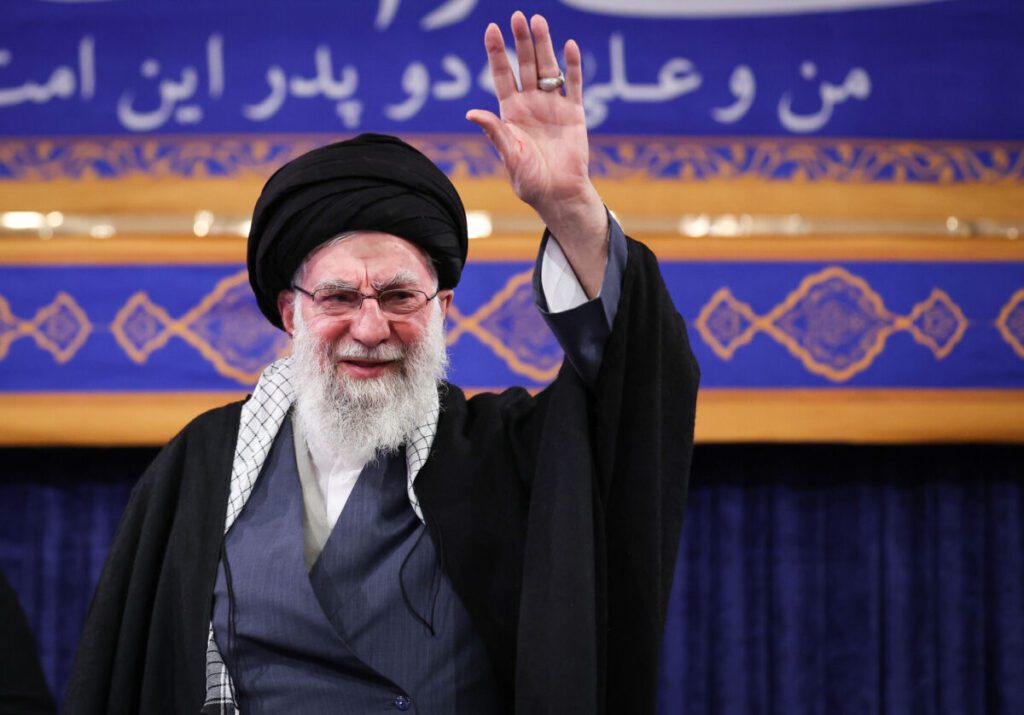
On February 28, 2026, a landmark event shook the Middle East and sent shockwaves around the world: Iran’s Supreme Leader Ayatollah Ali Khamenei was reported killed in a joint U.S.–Israeli military operation that targeted strategic sites in Tehran. The death of Iran’s de facto head of state and one of the most influential leaders in the modern Islamic Republic marks an extraordinary turning point in Iranian history and raises critical questions about the future of the regime, regional stability, and global power dynamics.
A Historic Strike: What Happened on February 28, 2026
According to multiple international news organizations and state media reports, a coordinated aerial campaign by the United States and Israel struck Tehran in the early hours of February 28, 2026. The assault, described by Western officials as part of an effort to counter Iran’s regional ambitions and military capabilities, heavily damaged several key sites, including the supreme leader’s compound.
Iranian state media confirmed the death of Supreme Leader Ayatollah Ali Khamenei, aged 86, in the strikes - an announcement later broadcast across state television and reported by international outlets. Iran also declared an official period of mourning lasting 40 days. (Axios)
The attack reportedly killed not only Khamenei but also several members of his immediate family, including his daughter, son-in-law, and grandchild, highlighting the devastating personal and symbolic impact of the offensive. (News24)
Who Was Ayatollah Ali Khamenei?
Ayatollah Ali Khamenei served as Iran’s Supreme Leader since 1989, following the death of Ayatollah Ruhollah Khomeini, the founder of the Islamic Republic. As supreme leader, Khamenei held ultimate authority over Iran’s political, military, and judicial branches, making him the most powerful figure in the country’s theocratic system. (Wikipedia)
Over his 36-year rule, Khamenei oversaw the expansion of Iran’s influence across the Middle East through proxy groups and alliances in Iraq, Lebanon, Syria, and Yemen. Domestically, his tenure was marked by relentless suppression of dissent and severe crackdowns on protest movements, including major uprisings in recent years.
Khamenei’s staunch opposition to the United States and Israel was a cornerstone of Iranian foreign policy, and he frequently framed Western powers as existential enemies of the Islamic Republic. (www.ndtv.com)
Context: Rising Tensions and the 2026 Operation
The strikes that killed Khamenei were part of a broader joint military campaign led by the U.S. and Israel, aimed at destabilizing Iran’s strategic infrastructure and leadership. The offensive came amid heightened tensions that had escalated over Iran’s nuclear program, ballistic missile capabilities, and perceived support for regional militant networks.
While U.S. and Western officials have historically maintained that Iran had not resumed a weapons-grade nuclear program since 2003, concerns over its intentions persisted. Israeli Prime Minister Benjamin Netanyahu had repeatedly warned of a “secret” nuclear agenda, even as Tehran insisted it sought nuclear energy for civilian purposes. (TIME)
Hours before the Iranian confirmation, U.S. President Donald Trump publicly announced Khamenei’s death, framing it as justice for the victims of Iranian actions and asserting that the strikes signified an opportunity for the Iranian people to “take back” their country. (AL-Monitor)
Immediate Aftermath: Retaliation and Rising Conflict
Following confirmation of Khamenei’s death, Iran responded with massive missile and drone attacks targeting Israel and U.S. bases throughout the Middle East - including in Gulf nations - igniting broader regional conflict. These counterstrikes resulted in casualties outside Iran and highlighted the risk of escalation beyond national borders.
The Islamic Revolutionary Guard Corps (IRGC), an influential military and political force in Iran, vowed “severe, decisive” retaliation against what it described as the murder of their leader.
This tit-for-tat cycle of strikes and counter-strikes underscores the volatile geopolitics of the region and the potential for broader military conflagration in a theatre already beset by longstanding conflicts and rivalries.
Iran’s Succession Crisis and Future Leadership
Perhaps the most immediate challenge facing Iran after Khamenei’s death is the question of succession. Unlike monarchical systems, the Islamic Republic relies on the Assembly of Experts, a clerical body responsible for selecting a new supreme leader. However, Khamenei’s sudden death in wartime conditions complicates this process.
There was no clear successor publicly designated before his death, and observers suggest that the IRGC - already deeply embedded in Iran’s political, economic, and military spheres - may seek to assert greater control in the transitional period.
Some analysts also point to internal cracks within the regime, with younger Iranians and opposition groups hoping for lasting political change beyond clerical rule. But any transition is expected to be closely contested, both internally and on the international stage.
Global Reactions and Implications
World leaders and governments have responded with a mixture of shock, condemnation, and caution.
- United States: The Trump administration’s announcement of Khamenei’s death was framed as a strategic victory and a blow against Iranian influence, although the U.S. faces criticism over potential escalation.
- Israel: Israeli officials have supported the strikes as necessary for national security, particularly given Iran’s opposition to its existence.
- Iran and Allies: Tehran’s allies and domestic factions have condemned the attack as illegal and an act of aggression, promising retaliation.
- International Community: Nations across the world have expressed concern about the risk of wider conflict and called for restraint and diplomatic engagement.
The death of a long-serving leader in such dramatic circumstances could reshape Middle Eastern geopolitics for years to come - particularly in the realms of nuclear negotiations, U.S.–Iran relations, regional alliances, and internal Iranian politics.
Conclusion: A New Chapter in Middle East History
The killing of Ayatollah Ali Khamenei marks a historic, if tumultuous, turning point in 21st-century geopolitics. It reflects the culmination of decades of friction between Iran and Western powers and sets the stage for a period of intense uncertainty - both within Iran and across the broader Middle East.
Whether this event precipitates political reform, deeper conflict, or a realignment of regional power structures remains one of the most consequential questions facing global leaders today.