Thailand Mourns Princess Bajrakitiyabha as Royal Heir Dies at 47 After More Than Three Years in Coma
Thailand is in mourning following the death of Princess Bajrakitiyabha, the eldest daughter of King Maha Vajiralongkorn, who died at 47 after spending more than three years in a coma, reigniting discussions about royal succession.
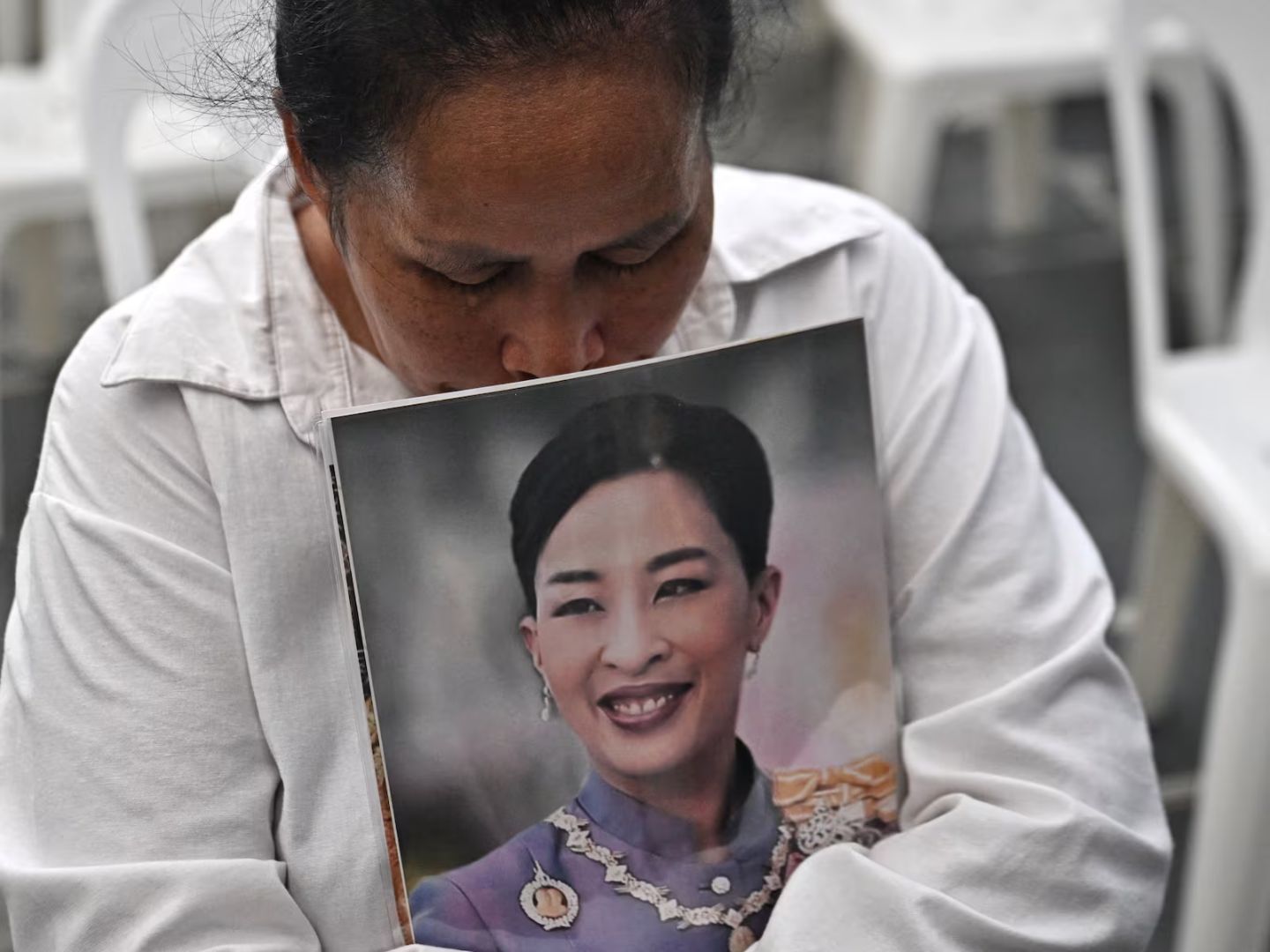
Thailand has entered a period of national mourning following the death of Princess Bajrakitiyabha Narendira Debyavati, the eldest daughter of King Maha Vajiralongkorn, who passed away at the age of 47 after spending more than three years in a coma.
The announcement, made by Thailand’s Bureau of the Royal Household, marks the end of a prolonged medical battle that began in December 2022 when the princess collapsed during a training session with her dogs. The incident was later linked to a severe heart condition believed to have been triggered by a bacterial infection, leading to her hospitalization and eventual coma. (Reuters)
The princess died peacefully on June 11, 2026, at a hospital in Bangkok where she had remained under intensive medical care for more than three years. Her passing has triggered an outpouring of grief across Thailand, with thousands of citizens, royal supporters, and public officials paying tribute to a woman widely regarded as one of the monarchy’s most respected and accomplished members.
Known affectionately as “Princess Bha,” Bajrakitiyabha was often seen as a symbol of modern Thai royalty. Educated both in Thailand and abroad, she earned a law degree and later obtained advanced legal qualifications from the United States, including studies at Cornell University. Her legal expertise and commitment to public service helped distinguish her from many traditional royal figures. (Reuters)
Throughout her career, the princess held several prominent positions within Thailand’s legal and diplomatic institutions. She worked in the attorney-general’s office, served as Thailand’s ambassador to Austria, Slovakia, and Slovenia, and represented the country in numerous international forums. She also earned recognition for her advocacy on behalf of female prisoners and vulnerable groups within the justice system.
Her work with rehabilitation programs for incarcerated women, particularly through the Kamlangjai or “Inspire” project, won praise both domestically and internationally. The initiative sought to improve prison conditions and help women successfully reintegrate into society after serving their sentences. Her commitment to social justice earned her respect far beyond royal circles. (qazinform.com)
News of her death prompted emotional scenes outside Bangkok’s King Chulalongkorn Memorial Hospital, where mourners gathered carrying photographs of the princess and offering prayers. Many described her as compassionate, intelligent, and deeply dedicated to public service. Across the country, government buildings lowered flags, while media outlets adopted black-and-white themes as a mark of respect. (The Guardian)
Thailand’s Prime Minister, Anutin Charnvirakul, paid tribute to the late princess in a televised address, describing her as “a pride of Thailand” whose dedication to justice, equality, and kindness would remain a legacy for future generations. He noted that her contributions to society had inspired countless citizens and reflected the highest ideals of public service. (CBS News)
The royal household announced that Princess Bajrakitiyabha will lie in state at the Grand Palace in Bangkok, with funeral ceremonies conducted according to royal traditions and with the highest honors. Thousands of mourners are expected to participate in the rites over the coming weeks. (euronews)
Beyond the national grief, the princess’s death has renewed attention on the future of Thailand’s monarchy and questions surrounding royal succession. As the eldest child of King Maha Vajiralongkorn and one of the most visible members of the royal family, she was often viewed by observers as a possible future regent or influential royal figure. Although Thailand’s succession process remains highly sensitive, analysts note that her passing leaves a significant void within the institution.
Royal succession discussions in Thailand are often conducted cautiously due to strict laws protecting the monarchy from public criticism. Nevertheless, political analysts have noted that the loss of such a prominent royal figure may influence future considerations regarding the kingdom’s leadership structure.
Princess Bajrakitiyabha’s health struggles had remained a matter of national concern since her collapse in 2022. Medical updates released by the royal household over the years indicated that her condition was complicated by multiple infections, cardiac issues, blood-clotting disorders, and organ-related complications. Despite extensive medical interventions, her health continued to deteriorate in recent months.
For many Thais, the princess represented a bridge between tradition and modernity. Her achievements in law, diplomacy, and humanitarian work helped shape her image as a capable and forward-looking member of the royal family.
As Thailand mourns her passing, tributes continue to pour in from world leaders, diplomats, legal professionals, and ordinary citizens who admired her dedication to public service. Her death marks not only the loss of a royal figure but also the end of a distinguished career devoted to justice, diplomacy, and social welfare.
The coming days are expected to be filled with memorial events and official ceremonies as the nation bids farewell to one of its most admired princesses. While questions about the future of the monarchy may continue to emerge, the immediate focus remains on honoring the life and legacy of Princess Bajrakitiyabha, whose contributions left an enduring mark on Thailand and its people.