Terrorism Probe Underway as US Army Lieutenant Colonel Shot Dead in University Classroom Attack
A US Army Lieutenant Colonel was shot dead during a classroom attack at Old Dominion University in Virginia. Authorities are investigating the incident as possible terrorism and examining its security implications.
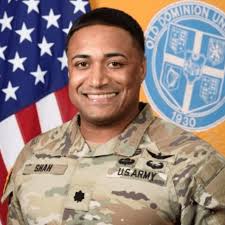
A tragic shooting at Old Dominion University (ODU) in Norfolk, Virginia, has left a senior U.S. military officer dead and raised fresh concerns about domestic extremism and security on American campuses.
The victim, Brandon Shah, a decorated officer and professor of military science, was fatally shot on March 12, 2026, during a classroom attack that authorities say may be linked to extremist motivations. The incident has sparked a major federal investigation and renewed debate over campus security and radicalization threats within the United States.
The Deadly Campus Shooting
According to investigators, the attack occurred inside a classroom where Shah was teaching a Reserve Officers’ Training Corps (ROTC) session at Old Dominion University.
The suspect, identified as Mohamed Bailor Jalloh, allegedly entered the classroom and opened fire on the instructor and students. Shah was killed in the attack, while two other individuals were injured. (AP News)
Authorities say the attacker shouted extremist slogans before the shooting, prompting investigators to treat the case as a potential act of terrorism.
Before police arrived, several ROTC students reportedly confronted the gunman and subdued him during the chaos. The attacker later died at the scene after being overpowered. (The Guardian)
The quick actions of the students likely prevented further casualties, officials said.
Who Was Lt. Col. Brandon Shah?
Lt. Col. Shah was widely respected in military and academic circles. A veteran helicopter pilot, he had served in several overseas deployments, including operations in Iraq and Afghanistan.
He joined the U.S. Army in 2003 and accumulated more than 1,200 flight hours, including hundreds in combat missions. Over his career, he received multiple military commendations for service and leadership. (New York Post)
Shah later returned to his alma mater, Old Dominion University, where he served as chair of the Military Science Department and head of the ROTC program. His role focused on mentoring and training future U.S. Army officers. (People.com)
Colleagues and students described him as a dedicated educator and leader who was passionate about shaping the next generation of military professionals.
Virginia officials also praised his contributions to national service and education, noting that he embodied the ideals of leadership and sacrifice.
The Suspect’s Background
Investigators say the alleged attacker, Mohamed Bailor Jalloh, had previously served in the U.S. Army National Guard but was discharged years earlier.
More significantly, Jalloh had previously been convicted in 2016 of attempting to provide support to the extremist group ISIS. He served prison time for terrorism-related charges before being released in 2024.
Authorities are now examining how the suspect was able to carry out the attack despite his criminal record and prior links to extremist activity.
Another complicating factor in the investigation is the firearm used in the attack. Law enforcement officials revealed that the weapon’s serial number had been deliberately obliterated, making it more difficult to trace its origin. (https://www.kgns.tv)
The Federal Bureau of Investigation has taken the lead in the investigation, working alongside local and state authorities to determine whether the attack involved a broader extremist network.
Immediate Aftermath
Following the shooting, Old Dominion University temporarily suspended classes and campus activities as police secured the scene and began investigations.
University President Brian Hemphill expressed condolences to Shah’s family and pledged support for students and faculty affected by the tragedy. Emergency services also provided counseling resources for students who witnessed the shooting or were impacted by the event.
Meanwhile, U.S. military officials and political leaders paid tribute to Shah’s service and sacrifice.
Security and Policy Implications
The killing of a senior U.S. Army officer in an academic setting has sparked widespread concern about security vulnerabilities and domestic extremism.
1. Growing Concern Over Domestic Radicalization
One of the most troubling aspects of the incident is the suspect’s past terrorism conviction. Security experts say the case raises questions about monitoring individuals with extremist backgrounds after their release from prison.
Domestic radicalization has become an increasing concern for U.S. law enforcement, particularly when individuals with prior extremist links regain access to weapons or public spaces.
2. Campus Security Challenges
The attack also highlights the challenges universities face in protecting students and faculty from targeted violence.
Campuses are traditionally open environments designed to encourage academic freedom and accessibility. However, this openness can create security risks when individuals with violent intent gain access to classrooms or lecture halls.
Experts say universities may now face pressure to strengthen security protocols, including surveillance systems, access control measures, and emergency response procedures.
3. Military Personnel Safety
The attack has also prompted discussions about the safety of military personnel serving in educational roles.
ROTC instructors often operate in civilian settings, which may not provide the same level of security as military bases. Analysts say the incident could lead to reviews of safety measures for officers assigned to academic institutions.
National and Community Reaction
Tributes to Lt. Col. Shah poured in from across the United States. Military officials described him as a dedicated officer who devoted his life to service and mentorship. Students remembered him as an inspiring teacher who encouraged leadership and discipline.
Many observers have also praised the bravery of the ROTC students who intervened during the attack, noting that their actions likely prevented additional loss of life.
Conclusion
The killing of Lt. Col. Brandon Shah in a university classroom has shocked the U.S. military community and the nation at large. Beyond the personal tragedy, the incident raises broader questions about extremism, security, and the protection of military personnel in civilian environments.
As federal authorities continue their investigation, the attack is likely to intensify discussions about terrorism prevention, campus safety, and how societies confront the evolving threat of extremist violence.