Temporary Pause or Strategic Pivot? Trump’s Ukraine Ceasefire Claim Sparks Debate Over War, Diplomacy, and Humanitarian Impact
President Trump asserts that Vladimir Putin agreed to a one-week halt to Russian strikes on Ukraine amid freezing winter conditions, but Moscow hasn’t confirmed and fighting persists. Explore the implications for diplomacy, humanitarian relief, and peace negotiations.
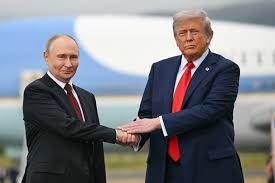
U.S. President Donald Trump says Russian President Vladimir Putin agreed to a temporary halt in strikes on Ukrainian cities and energy infrastructure following his personal appeal amid brutal winter conditions, a claim that has reverberated across global diplomatic circles - even as both Kyiv and Moscow provide limited confirmation and fighting continues. (AP News)
Trump announced the purported one-week pause during a White House Cabinet meeting on January 29, 2026, saying he personally phoned Putin to urge a pause in Russian strikes, especially on Kyiv and other towns, as temperatures plunge and civilians face severe energy shortages.
“I personally asked President Putin not to fire into Kyiv and various towns for a week and he agreed to do that,” Trump told his advisers, adding with characteristic style, “I have to tell you it was very nice.”
However, neither the Kremlin nor official Ukrainian authorities have publicly confirmed the existence or terms of the week-long ceasefire, and independent reporting suggests that conflict - and especially targeted attacks on infrastructure - continues to affect millions of civilians.
What Trump Claimed - and What’s Confirmed
According to Trump, his request focused on pausing attacks on energy and urban targets as Ukraine endures one of its harshest winters in years. The severe freezing weather, with temperatures dipping well below freezing, has exacerbated humanitarian suffering by crippling power grids and heating systems after repeated Russian strikes.
Trump said he also informed Ukrainian President Volodymyr Zelenskyy about the alleged agreement, and that Kyiv was initially skeptical but ultimately welcomed the news.
Zelenskyy himself acknowledged discussions about stepping back from attacks on key infrastructure because of winter weather, calling any de-escalation steps “real progress toward ending the war” - though his government has not provided formal verification of a ceasefire with Russia. (The Guardian)
At the same time, the Kremlin has avoided publicly confirming Trump’s claim, declining to discuss specifics of a new ceasefire deal when approached by international media.
Violence Continues Despite Claims
Despite the reported pause, fighting and missile strikes have continued unabated in many regions of Ukraine, highlighting the fragile nature of informal wartime understandings and the difference between announcements and reality on the ground.
Recent Russian drone and missile attacks left millions in Kyiv without power and heat, exacerbating humanitarian distress amid freezing temperatures. (Financial Times)
Ukraine’s intelligence services have also warned that Russia is preparing new offensives, suggesting that even temporary pauses are uncertain and that Moscow could resume large-scale attacks at any time. (Sky News)
Diplomatic Backdrop: Talks in the Gulf
Trump’s announcement comes as renewed peace negotiations involving Ukraine, Russia, and U.S. representatives are underway in Abu Dhabi, focusing on military de-escalation and mechanisms for monitoring any agreed ceasefires.
These are the first trilateral talks since Russia’s full-scale invasion began in 2022, yet officials on all sides acknowledge that fundamental disagreements remain - especially over territorial control in eastern Ukraine and the nature of security guarantees Kyiv demands. (Reuters)
Kremlin aides have warned that, while territory remains “the most important issue,” many unresolved items continue to block a comprehensive peace deal.
Humanitarian Crisis in Winter
Ukraine’s civil infrastructure has suffered severely under continuous bombardment, especially so during winter when power and heat are critical for survival. Recent assessments show widespread damage to electrical grids and energy sites, leaving civilians exposed to life-threatening conditions without reliable heating or water.
Humanitarian agencies and energy sector leaders have repeatedly called for a ceasefire focused on protecting infrastructure, emphasizing the urgency of such a pause during extreme cold.
Against this backdrop, the claimed one-week pause, if genuine, could offer temporary relief for civilians and critical systems, but experts warn that short pauses without enforceable mechanisms rarely withstand the pressures of active warfare.
International Response and Skepticism
Other global leaders and diplomats have responded cautiously. European officials underline that while limited pause arrangements can provide a short-term interruption of hostilities, they do not replace negotiated long-term peace settlements.
Observers also note that in past negotiations, partial ceasefires, especially those focused narrowly on infrastructure, have quickly broken down or been interpreted differently by each side. (The Associated Press)
With Russia and Ukraine still far apart on key issues such as territorial integrity and security guarantees, the reported temporary pause - whether fully implemented or not, may signal diplomatic willingness to keep talking without yet offering a genuine path to enduring peace.
The Path Ahead
As talks continue in the Middle East and capitals around the world watch closely, analysts say the immediate concern is twofold: ensuring civilian protection and stabilizing essential services while also advancing negotiations toward a comprehensive, enforceable ceasefire.
Neither Ukraine nor Russia has ratified a weeklong halt in attacks, and ongoing hostilities underscore the complexity of translating diplomatic claims into reality. The coming days of negotiations may determine whether Trump's asserted intervention yields tangible respite for Ukrainians or remains primarily a political statement.