Tehran Residents Describe “Worst Nights” of Israeli Strikes as U.S. Warns Attacks Will Intensify
Residents of Tehran recount terrifying nights of Israeli airstrikes as the United States warns the bombardment of Iran will intensify. The escalating conflict has left hundreds dead, damaged key infrastructure, and raised fears of a wider Middle East war.
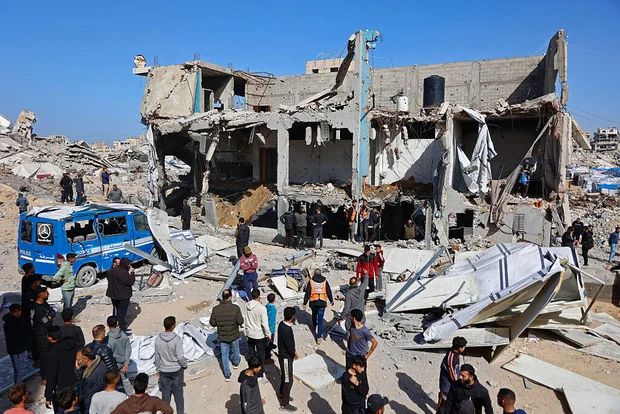
Residents of Tehran say the Iranian capital has experienced some of the most intense nights of bombing since the conflict between Israel and Iran escalated into open warfare in early 2026. Continuous explosions, air raid sirens, and columns of smoke rising across the skyline have turned the city into a landscape of fear and uncertainty.
Many civilians described the recent wave of Israeli strikes as the “worst nights” they have experienced since the campaign began. Several residents reported that explosions shook entire neighborhoods, forcing families to shelter in basements, subway tunnels, and underground parking garages.
The latest attacks come as U.S. officials warn that military operations against Iran are expected to intensify in the coming days and weeks, signaling a potentially prolonged and expanding regional conflict. (AP News)
Massive Strike Campaign Targets Tehran: Israeli airstrikes have targeted dozens of locations across Tehran, including military installations, government infrastructure, and internal security facilities. According to local authorities, more than 200 sites in the capital have been hit since the offensive began. (The Washington Post).
Satellite images and eyewitness accounts show damaged buildings, burning fuel depots, and shattered residential blocks in several districts of the city. The campaign is part of a wider Israeli-U.S. military operation launched in late February 2026 targeting Iranian military capabilities and leadership. The operation, reportedly designed to cripple Iran’s missile and defense systems, has involved hundreds of air and missile strikes across the country. (Wikipedia)
Israeli military officials claim the strikes have destroyed significant portions of Iran’s air defense network, leaving major cities more vulnerable to further bombardment.
Civilian Casualties Mount: The human toll of the strikes is rapidly rising. Iranian authorities say more than 900 people have been killed and over 6,000 injured since the campaign began. Some of the deadliest incidents have involved strikes on densely populated areas and civilian infrastructure. In one widely reported case, a strike on a school reportedly killed more than 160 people, many of them children.
Hospitals across Tehran and other cities are reportedly overwhelmed with casualties, while emergency crews continue to search through rubble for survivors. Residents say the psychological impact of the attacks is as devastating as the physical destruction. “Last night was the worst night so far,” one Tehran resident told international media, describing nonstop explosions that lasted for hours.
Death of Iran’s Supreme Leader Escalates the Conflict: The escalation of hostilities follows the assassination of Iran’s Supreme Leader, Ali Khamenei, who was killed in an airstrike in Tehran on February 28 during the opening phase of the campaign. The killing of the long-time Iranian leader triggered a power vacuum in Tehran and intensified calls for retaliation against Israel and the United States.
Iran has since established an interim leadership council while preparing for the selection of a new supreme leader. The assassination is widely viewed as one of the most dramatic targeted strikes in modern Middle Eastern conflict and has dramatically raised the stakes of the war.
U.S. Signals Longer and More Intense War: While Israel is leading the aerial bombardment, the United States has played a significant supporting role in the campaign. American military assets, including bombers and naval forces, have reportedly been involved in strikes against Iranian military infrastructure. U.S. officials have warned that the operation is far from over. American leaders say the campaign against Iran could last weeks and may intensify significantly, with additional targets already identified. The United States has also deployed additional military assets to the region as tensions rise, raising fears that the conflict could broaden into a larger regional war.
Iran Retaliates Across the Region: Iran has responded to the bombardment with missile and drone attacks against Israel and several countries hosting U.S. military bases. Missiles and drones have reportedly been launched toward Gulf states, including Kuwait, Qatar, Saudi Arabia, and Bahrain, expanding the conflict beyond the original battlegrounds.
Iranian-backed militias across the Middle East have also begun mobilizing, raising concerns that the war could engulf multiple countries simultaneously. The conflict has already drawn in other actors such as Hezbollah in Lebanon, which has launched attacks against Israeli targets in response to the strikes on Iran. (Wikipedia)
Damage to Cultural and Historical Sites: Beyond military targets, the strikes have also damaged several cultural and historical landmarks in Tehran. Iranian officials reported that parts of the Grand Bazaar and the historic Golestan Palace, a UNESCO-recognized site often referred to as the “Versailles of Persia,” suffered damage during the bombardment. The destruction of cultural sites has drawn condemnation from international observers and intensified calls for restraint from global organizations.
Growing Fear of a Wider Middle East War: Analysts warn that the escalating conflict between Israel, Iran, and the United States could destabilize the entire Middle East. The combination of large-scale airstrikes, retaliatory missile attacks, and proxy militia involvement raises the possibility of a broader regional war involving multiple states. Energy markets have already shown signs of volatility, and several governments have issued warnings to their citizens to leave the region as the conflict escalates.
For residents of Tehran, however, the geopolitical calculations matter far less than the immediate reality of surviving another night of bombardment. Many families now spend their evenings waiting for the sound of sirens and explosions, uncertain whether the next strike could hit their neighborhood. As one resident reportedly put it, “Every night we hope it will stop, but every night it gets worse.”
With U.S. officials warning that the campaign is likely to intensify and Iran vowing retaliation, the coming weeks could determine whether the conflict remains limited or spirals into one of the most dangerous wars the Middle East has seen in decades.