Taiwan Receives First US-Made F-16V Fighter Jets After Years of Delays
Taiwan has received its first two US-made F-16V Block 70 fighter jets, beginning delivery of a $8 billion order for 66 aircraft amid rising tensions with China.
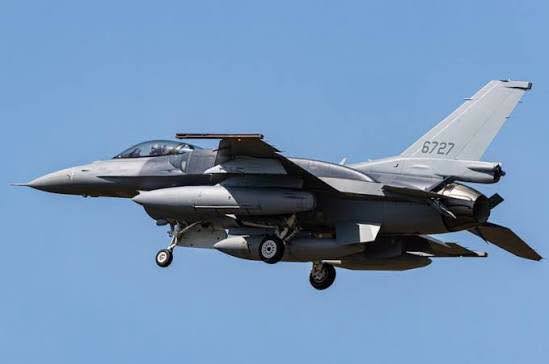
Taiwan has taken delivery of the first two US-made F-16V Block 70 fighter jets, marking the beginning of a long-delayed programme aimed at strengthening the island's air defence capabilities amid continued military pressure from China.
The aircraft landed at Chihhang Air Base in Taitung, on Taiwan's mountainous southeastern coast, around midday on Friday, October 2, 2026. The arrival represents the first delivery from an order for 66 newly built F-16V fighter jets purchased from the United States.
The delivery comes after several delays that pushed back the original timetable. Taiwan had initially expected the first aircraft to arrive earlier, but production and supply-chain challenges affected the programme. In March, Taiwan's Ministry of National Defense said Lockheed Martin was operating at full production capacity and working with Taiwan to accelerate deliveries.
$8 Billion Fighter Jet Deal
Taiwan's F-16 purchase was approved by the United States in 2019 during Donald Trump's first presidential term. The agreement, valued at about $8 billion, covers 66 F-16V aircraft.
The new fighters are being produced by US defence company Lockheed Martin, whose F-16 production line is located in Greenville, South Carolina.
The arrival of the first aircraft therefore marks more than the delivery of two fighter jets. It begins the fulfilment of one of Taiwan's largest recent purchases of newly manufactured combat aircraft from the United States.
According to the Associated Press, the first two aircraft are part of a larger order that still has dozens of jets to be delivered. The delivery also represents an important milestone in a broader backlog of US weapons ordered by Taiwan.
Advanced F-16V Capabilities
The F-16V Block 70 is the latest production configuration of the F-16 Fighting Falcon, a fighter aircraft that has been operated by air forces around the world for decades.
Lockheed Martin says the Block 70 incorporates an advanced APG-83 Active Electronically Scanned Array radar, upgraded avionics and a modernised cockpit. The aircraft also features an advanced mission computer, infrared search-and-track capabilities, improved data links and an Automatic Ground Collision Avoidance System.
The APG-83 radar is designed to improve situational awareness and targeting capabilities, while the new cockpit display allows pilots to process tactical information more efficiently. Lockheed Martin also says the Block 70 has an extended structural service life of up to 12,000 flight hours.
These upgrades distinguish the new aircraft from older versions of the F-16 already operated by Taiwan.
Delivery Follows Months of Uncertainty
The arrival of the jets follows an unusually long wait. The aircraft had been expected to arrive earlier in the year but remained in Hawaii for an extended period before eventually continuing their journey through Guam to Taiwan.
Taiwan's Central News Agency reported that the two aircraft landed at Chihhang Air Base after the delayed journey, with the arrival occurring roughly a month later than the most recently expected timeframe.
The delays had generated concern in Taiwan because the island has repeatedly pressed Washington to speed up deliveries of weapons already purchased.
Taiwan's defence ministry had previously said that production of the F-16s was progressing and that final testing was necessary because the aircraft's systems, wiring and software required integration and adjustment before delivery.
China-Taiwan Tensions
The delivery is taking place against the backdrop of continuing tensions between Taiwan and China.
Beijing claims Taiwan as part of its territory and has not ruled out the use of force to achieve what it describes as national reunification. Taiwan, which has its own democratically elected government and military, maintains that its future should be determined by its people.
Chinese military aircraft and naval vessels regularly operate around Taiwan, prompting Taiwan's armed forces to monitor and respond to such activities.
Reuters reported that Taiwan's air force frequently scrambles aircraft to monitor Chinese military activity around the island. The arrival of the new F-16Vs is therefore expected to add modern aircraft to Taiwan's existing fighter fleet.
First New Fighters in Decades
The delivery also has historical significance for Taiwan's air force.
FlightGlobal reported that the arrival of the two Block 70 aircraft marks the first time newly manufactured fighter aircraft have arrived in Taiwan since 1997.
That makes the delivery an important moment in Taiwan's effort to modernise its combat aviation fleet, particularly as older aircraft require replacement or upgrades.
Taiwan already operates earlier versions of the F-16, making the new Block 70 aircraft part of an existing ecosystem rather than an entirely new fighter platform for its air force.
Wider US-Taiwan Defence Relationship
The F-16 delivery is also part of a much broader defence relationship between Washington and Taipei.
Taiwan has sought additional US military equipment to strengthen its defence capabilities, while China has repeatedly opposed American arms sales to the island.
Taiwan's defence minister said recently that existing US arms-sale agreements remained in place and that discussions between Taipei and Washington were continuing. However, a separate proposed arms package reportedly worth about $14 billion remained stalled.
For Taiwan, the arrival of the first F-16Vs provides a tangible result from a major defence purchase that has been delayed for years. For the United States, the delivery reinforces its longstanding defence relationship with Taipei, even as Washington continues to manage its wider relationship with Beijing.
With the first two aircraft now on Taiwanese soil, attention will turn to the delivery of the remaining F-16Vs and how quickly they can be incorporated into Taiwan's operational fleet.
The arrival ultimately gives Taiwan access to a newer generation of the F-16 platform, equipped with modern radar, avionics and safety systems, as the island continues to upgrade its air force in an increasingly contested security environment.