Taiwan President Visits Eswatini Days After Blaming China for Cancelled Trip as Diplomatic Tensions Escalate
Taiwan President Lai Ching-te visits Eswatini after accusing China of forcing the cancellation of his earlier trip. Here’s what happened, why it matters, and the global diplomatic implications.
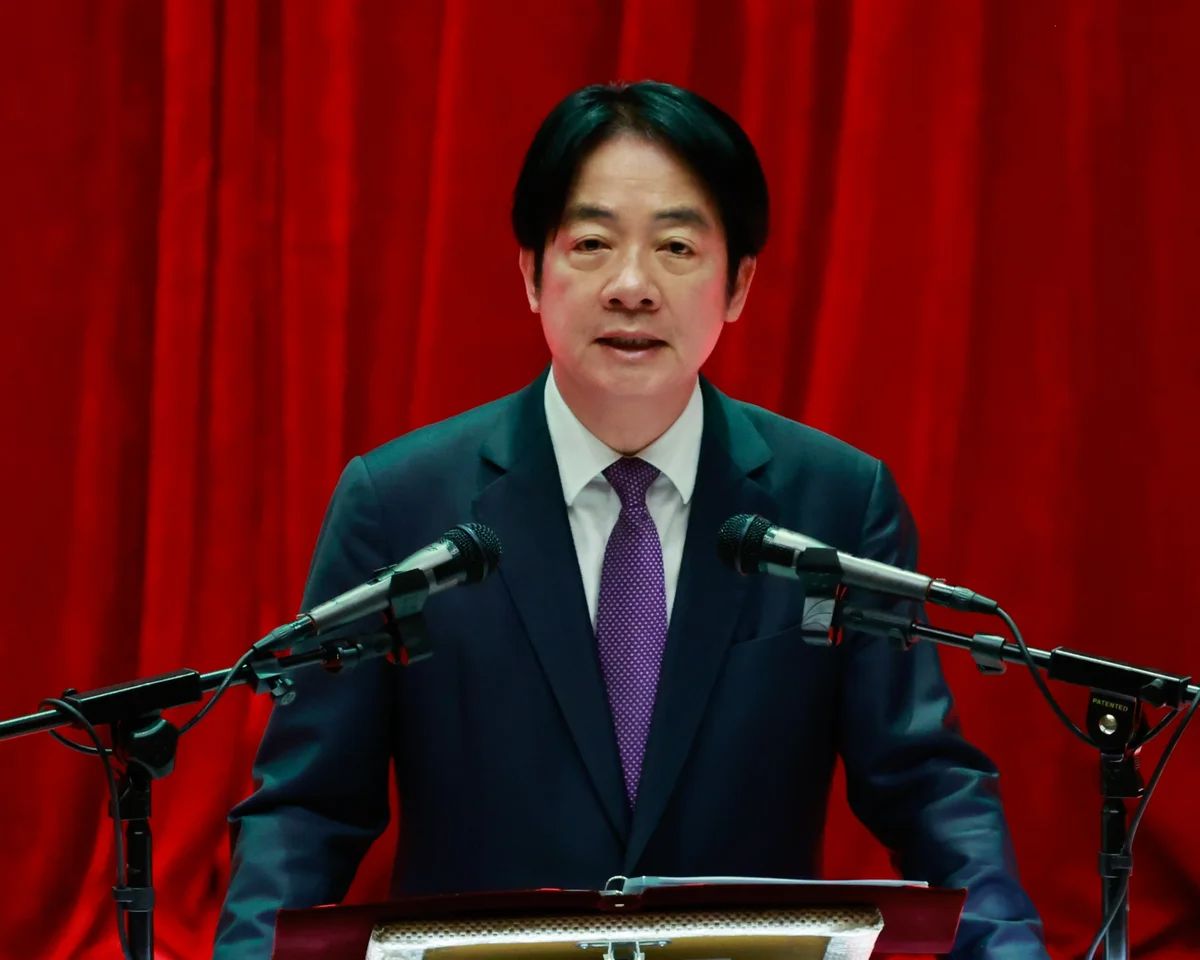
Taiwan’s President Lai Ching-te has made a high-profile diplomatic visit to Eswatini just days after blaming China for the cancellation of his earlier planned trip to the African nation.
The visit, which took place in early May 2026, has intensified already fragile relations between Taipei and Beijing, while also highlighting the shrinking but strategically important network of Taiwan’s global diplomatic allies.
The development underscores a growing geopolitical struggle between Taiwan and China, with Africa emerging as a key battleground for diplomatic influence.
Cancelled Trip Sparks Diplomatic Dispute
President Lai was originally scheduled to visit Eswatini in April 2026 to attend official commemorations tied to the monarchy of King Mswati III. However, the trip was abruptly cancelled after multiple countries, including Seychelles, Mauritius, and Madagascar, revoked overflight permissions for his presidential aircraft.
Taiwan immediately accused Beijing of exerting pressure on these countries to block the route, calling it part of China’s broader strategy to isolate the island diplomatically. (CNBC Africa)
The cancellation marked an unprecedented moment: the first time a Taiwanese president had been forced to abandon a foreign trip due to airspace restrictions linked to diplomatic pressure.
Taiwan described the move as political interference, while China denied wrongdoing and reiterated its position that Taiwan is part of its territory.
A Surprise Arrival in Eswatini
Despite the earlier cancellation, President Lai later arrived in Eswatini on a surprise visit in May 2026. His arrival was not widely announced in advance, adding an element of diplomatic unpredictability to the trip.
Eswatini remains one of only 12 countries in the world that maintain formal diplomatic relations with Taiwan, and the only such country in Africa. (Reuters)
During his visit, Lai emphasized Taiwan’s commitment to international engagement despite what he described as external pressure and diplomatic obstruction.
He stated that Taiwan would “never be deterred” from engaging with the world, reinforcing the island’s long-standing position that its global participation should not be limited by Beijing’s claims.
China Responds Strongly
Beijing reacted sharply to both the cancelled trip and the eventual visit.
Chinese officials accused Taiwan of using public resources for political theatre and attempting to undermine the “One China” principle, which asserts that Taiwan is part of China and has no right to state-level diplomatic relations.
China’s Foreign Ministry also criticized Lai personally, describing his actions as provocative and destabilizing to regional stability. In unusually strong language, Chinese state media even used derogatory descriptions of the Taiwanese leader in its commentary on the visit.
Beijing has consistently increased diplomatic pressure on countries that maintain ties with Taiwan, encouraging them to switch recognition in favor of China through economic incentives and political engagement.
Why Eswatini Matters in Global Diplomacy
Though small and population, Eswatini holds outsized importance in the Taiwan–China diplomatic struggle.
As Taiwan’s only formal ally in Africa, Eswatini serves as a symbolic foothold on the continent. Its relationship with Taipei dates to 1968, and both sides maintain embassies in each other’s capitals. (Wikipedia)
For Taiwan, maintaining this relationship is critical to preventing total diplomatic isolation in Africa. For China, persuading Eswatini to switch recognition would represent a major diplomatic victory.
The country’s leadership has consistently reaffirmed its support for Taiwan despite sustained pressure from Beijing.
A Broader Pattern of Diplomatic Isolation
Taiwan currently maintains formal diplomatic relations with only 12 countries worldwide, most of them small nations in the Caribbean, Pacific, and Central America.
Over the past decade, China has successfully convinced several countries to sever ties with Taiwan in exchange for economic aid and investment.
This gradual erosion of Taiwan’s diplomatic partners has intensified under President Lai, who has adopted a more assertive stance on sovereignty and international participation.
The cancelled Eswatini trip highlights how far this rivalry has extended now even affecting flight routes and airspace permissions.
U.S. and Global Reactions
The United States has reiterated its support for Taiwan’s international engagement, describing the island as a “trusted and capable partner.”
Washington has consistently opposed efforts to isolate Taiwan diplomatically, while maintaining its “One China policy” alongside unofficial support for Taipei’s defense and international participation.
European and other Western governments have also expressed concern over increasing Chinese pressure on countries that maintain relations with Taiwan.
Strategic Messaging Behind the Visit
Analysts say Lai’s decision to proceed with the Eswatini visit despite earlier setbacks is a calculated political signal.
It demonstrates:
- Taiwan’s determination to maintain remaining diplomatic allies
- Resistance to Chinese pressure tactics
- Commitment to international visibility despite isolation efforts
At the same time, it reinforces Eswatini’s position as a rare and symbolic partner for Taiwan in Africa.
The visit also reflects Taiwan’s broader strategy of strengthening ties with its remaining allies through development aid, investment, and high-level diplomatic engagement.
Conclusion: A Diplomatic Flashpoint with Global Implications
The sequence of a cancelled trip followed by a surprise visit underscores the intensity of the geopolitical rivalry between Taiwan and China.
For Taiwan, the episode highlights both vulnerability and resilience showing how external pressure can disrupt diplomacy but not entirely prevent it.
For China, it reinforces its strategy of diplomatic isolation, while drawing criticism from supporters of Taiwan’s international participation.
As President Lai continues to navigate a highly constrained diplomatic environment, Eswatini remains a critical symbolic partner in a broader struggle over recognition, sovereignty, and global influence.
The incident is not just about one visit; it reflects an ongoing contest shaping the future of international diplomacy in the Indo-Pacific and beyond.